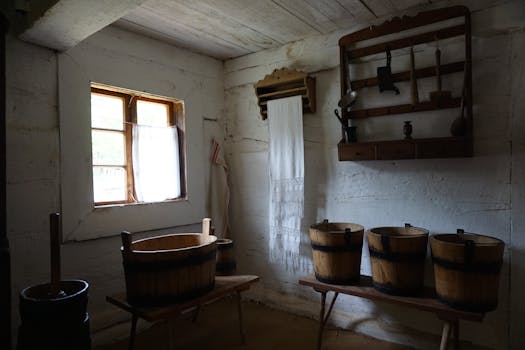
Handcrafted furniture is an exemplary choice for those who value quality, sustainability, and unique design. Unlike standard, mass-produced furniture, handcrafted pieces offer a distinctive touch to any interior space, merging impeccable craftsmanship with high functionality and aesthetic appeal. Each piece not only enhances the visual dynamics of a room but also reflects the artisan's meticulous attention to detail and dedication to durability and comfort.
Design and Personalization
The design process of handcrafted furniture is inherently personal and begins with a deep understanding of the materials and techniques to be used. Artisans select premium materials that promise longevity and visual appeal, such as sustainably sourced wood, reclaimed metals, and natural fibers. These materials are chosen not only for their beauty but also for their ability to withstand daily wear and tear, ensuring that each piece lasts for generations.
.png)
Customization is a significant advantage of handcrafted furniture. Buyers have the opportunity to collaborate with craftsmen to create bespoke pieces that perfectly fit their space and style preferences. This level of personalization is unparalleled in mass-produced furniture and allows for tailored dimensions, finishes, and functions that meet specific needs.
Functionality and Comfort
Handcrafted furniture excels in functionality. Each piece is thoughtfully designed to enhance user experience, offering comfort without compromising on style. Ergonomic considerations are paramount, with artisans crafting furniture that supports the body and complements human movements. Practical features, such as adjustable components and smart storage solutions, are often incorporated to maximize space and efficiency.
Aesthetic Appeal and Artistry
The aesthetic of handcrafted furniture is rich and diverse, characterized by the artisan's skill and creativity. Traditional techniques like carving, joinery, and metalwork are often employed, adding intricate details that elevate the furniture to the status of art. These elements showcase the artisan's proficiency and add an element of luxury and exclusivity to each piece.
The visual impact of handcrafted furniture can transform an ordinary room into a stunning space with its own personality and charm. The warmth of natural wood, the texture of hand-woven fabrics, and the patina of aged metal contribute to a layered and inviting atmosphere.
Sustainability and Ethical Practices
Sustainability is at the heart of handcrafted furniture. Artisans often use locally sourced materials, reducing the carbon footprint associated with transportation. Many also practice environmentally friendly manufacturing processes that minimize waste and avoid harmful chemicals. By investing in handcrafted furniture, consumers support not only environmentally sustainable practices but also local economies and traditional craftsmanship.
Cultural Influence and Global Appeal
Handcrafted furniture often reflects the cultural heritage of its maker. Artisans infuse their pieces with regional design motifs and crafting techniques, offering consumers around the world a taste of different cultures and histories. This global influence not only enriches the furniture's design but also appeals to a broad audience who appreciates cultural diversity and artistry.
In essence, handcrafted furniture is more than just a furnishing choice; it is a testament to the enduring beauty of skilled craftsmanship. It offers a sustainable, functional, and aesthetically pleasing alternative to mass-produced options, making it a worthy investment for those looking to enrich their living spaces with pieces that tell a story and last a lifetime. Whether for a home, office, or commercial space, handcrafted furniture stands out for its quality and character, making it a preferred choice for discerning buyers worldwide.