Handcrafted Furniture vs. Mass Production: A Detailed Price Comparison
When it comes to furnishing your home, one of the most significant questions is whether to invest in handcrafted furniture or opt for mass-produced pieces. The choice goes far beyond aesthetics and style—price, value, and long-term costs play pivotal roles in making the right decision for your lifestyle and budget. In this comprehensive comparison, we'll break down the true costs of handcrafted versus mass-produced furniture, explore what drives these differences, and help you decide which option offers the best value for your investment.
Understanding the True Cost: What Goes Into Furniture Pricing?
Before comparing the price tags, it's important to understand what factors influence the cost of furniture. Handcrafted and mass-produced pieces differ dramatically in their construction, materials, labor, and even shipping. Here are some key elements that affect price:
.png) - $1: Handcrafted furniture often uses solid woods like oak, walnut, or cherry, which are more expensive than the engineered woods or laminates commonly found in mass-produced furniture.
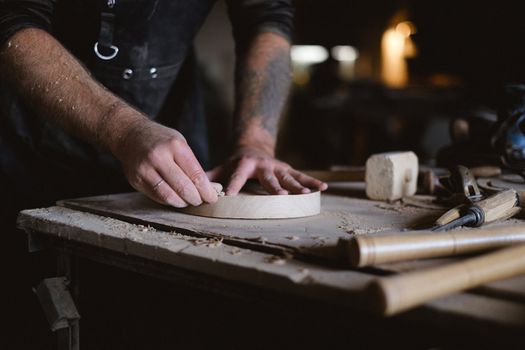
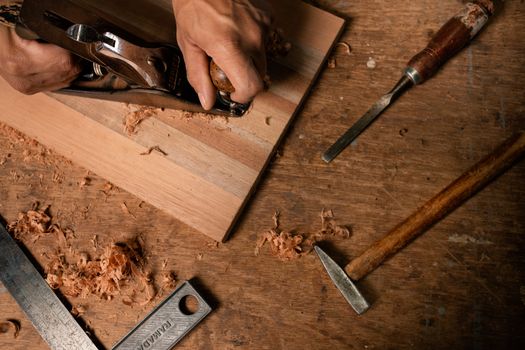
- $1: Skilled artisans dedicate hours—even days or weeks—to crafting a single piece. In contrast, mass production relies on automated machinery, reducing labor costs per unit.
- $1: Large factories benefit from economies of scale—buying materials in bulk and producing thousands of identical pieces, which drives down the cost per item.
- $1: Custom or bespoke features in handcrafted furniture add to the cost, while mass-produced items have standard sizes and finishes.
- $1: Handcrafted pieces, often made to order, may incur higher shipping costs, especially if sourced internationally. Mass-produced items can be flat-packed, reducing transportation expenses.
- $1: Handcrafted furniture often uses solid woods like oak, walnut, or cherry, which are more expensive than the engineered woods or laminates commonly found in mass-produced furniture.
- $1: Skilled artisans dedicate hours—even days or weeks—to crafting a single piece. In contrast, mass production relies on automated machinery, reducing labor costs per unit.
- $1: Large factories benefit from economies of scale—buying materials in bulk and producing thousands of identical pieces, which drives down the cost per item.
- $1: Custom or bespoke features in handcrafted furniture add to the cost, while mass-produced items have standard sizes and finishes.
- $1: Handcrafted pieces, often made to order, may incur higher shipping costs, especially if sourced internationally. Mass-produced items can be flat-packed, reducing transportation expenses.
Understanding these factors helps clarify why prices can vary so widely, even for furniture that appears similar at first glance.
Price Breakdown: Comparing Handcrafted and Mass-Produced Furniture
To provide a clear picture, let’s examine actual price ranges for common types of furniture. We'll look at three popular categories: dining tables, sofas, and bedroom dressers. Prices are based on 2023–2024 data from North American and European retailers.
| Furniture Type | Handcrafted Price Range (USD) | Mass-Produced Price Range (USD) |
|---|---|---|
| Dining Table (Solid Wood, 6–8 Seater) | $2,500 – $8,000 | $300 – $1,200 |
| Sofa (3-Seater, Fabric or Leather) | $3,000 – $10,000 | $400 – $2,000 |
| Bedroom Dresser (6 Drawers, Hardwood) | $2,000 – $6,000 | $250 – $900 |
As the table shows, handcrafted furniture often costs five to ten times more upfront than mass-produced counterparts. But the price tag tells only part of the story.
Durability and Longevity: The Value Over Time
While mass-produced furniture is more affordable in the short term, longevity is a crucial consideration. According to a 2022 survey by the American Home Furnishings Alliance, the average lifespan of mass-produced furniture is 5–10 years, while handcrafted pieces can last 30–100 years if properly maintained.
For example, a mass-produced sofa may cost $800 and last 7 years, meaning you would spend $2,400 over 21 years replacing it three times. A handcrafted sofa, costing $6,000, could last the same 21 years or more with only minor upkeep. In many cases, handcrafted items are passed down as family heirlooms, further extending their value.
Additionally, handcrafted furniture is often easier to repair, refinish, or customize over time, while mass-produced pieces may be more challenging or uneconomical to fix once damaged.
Quality of Materials and Construction: What Are You Really Paying For?
Handcrafted furniture makers typically select premium materials and construction methods, such as:
- $1: Unlike mass-produced furniture, which frequently uses particleboard or MDF, handcrafted pieces use solid woods that resist warping and withstand heavy use. - $1: Artisans employ traditional joinery—like mortise-and-tenon or dovetail joints—rather than relying on nails, screws, or cam locks. - $1: Each piece receives individual attention, from sanding to staining, resulting in a unique and flawless finish.Mass-produced furniture is built for speed and affordability. Flat-pack designs, veneer surfaces, and knockdown construction can be convenient and budget-friendly. However, these materials and methods tend to show wear faster and may not withstand moves or heavy use as well as handcrafted options.
Customization and Uniqueness: Personal Value vs. Mass Appeal
Handcrafted furniture offers unmatched opportunities for customization. Buyers can select wood species, finishes, dimensions, and even collaborate with artisans on design elements. This results in one-of-a-kind pieces tailored exactly to your space and style.
For example, a handcrafted dining table can be built to fit an oddly shaped room or feature a family crest carved into the wood—possibilities that mass production simply cannot offer. This level of personalization increases both the emotional and potential resale value of the piece.
Mass-produced furniture, conversely, is designed for the broadest possible audience. Standard sizes and finishes keep costs low but limit your options. If you prioritize uniqueness or have specific requirements, handcrafted furniture delivers greater value—albeit at a higher upfront cost.
Environmental and Ethical Considerations: The Hidden Costs
Price is not just a financial matter—it also involves environmental and ethical decisions. Handcrafted furniture is often made from sustainably sourced woods and finished with natural oils or waxes. Many small workshops use local materials and pay fair wages, supporting local economies and craftspeople.
In contrast, large-scale manufacturing can involve significant environmental impact, including deforestation, high energy use, and long-distance shipping. According to the EPA, furniture waste in the United States topped 12 million tons in 2018, with much of it coming from inexpensive, disposable furniture.
If sustainability and ethical sourcing are important to you, paying more for handcrafted furniture can be seen as an investment in responsible production and consumption.
Weighing the Long-Term Value: Which Option Is Right for You?
The decision between handcrafted and mass-produced furniture ultimately depends on your priorities:
- $1: Mass-produced furniture is much more accessible for those furnishing on a limited budget or in temporary living situations. - $1: If you want furniture to last decades or to be handed down, handcrafted options offer superior durability and repairability. - $1: For unique spaces or aesthetics, handcrafted pieces provide unmatched customization. - $1: Handcrafted furniture often aligns better with eco-friendly and fair labor practices.When weighing the true cost, consider not just the sticker price but the years of use, the quality of materials, and the satisfaction of owning something unique and well-made. Many choose a mix—investing in a few handcrafted signature pieces while filling in with mass-produced items as needed.
Final Thoughts: Investing Wisely in Furniture for Your Home
The price difference between handcrafted and mass-produced furniture is significant, but so is the difference in quality, longevity, and overall value. Mass-produced pieces are ideal for those seeking immediate, low-cost solutions or furnishing on a budget. Handcrafted furniture, on the other hand, represents an investment in artistry, sustainability, and lasting beauty.
By understanding what drives furniture pricing and carefully considering your needs, you can make an informed decision that balances cost, quality, and personal values. Whether you choose handcrafted, mass-produced, or a mix of both, the best furniture is the one that fits your lifestyle and makes your house feel like home.