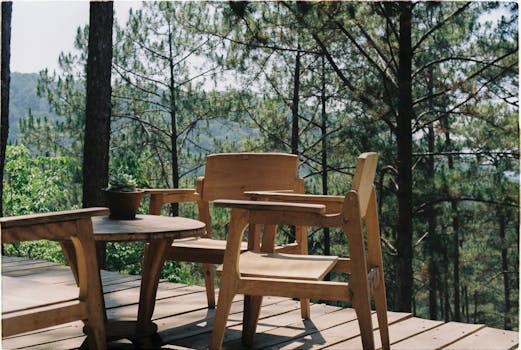
Handcrafted Furniture and Its Impact on Ecology: How to Choose Sustainable Options?
Handcrafted furniture has long been cherished for its beauty, uniqueness, and the story it tells. But in today’s world, where the environmental impact of our choices is under constant scrutiny, handcrafted furniture also stands out as a beacon of sustainable living. Unlike mass-produced items, handcrafted pieces can be made with ecological responsibility in mind, using renewable resources, ethical methods, and built-to-last quality. But how does handcrafted furniture really affect the environment, and how can you identify pieces that are truly sustainable? Let’s explore the ecological impact of handcrafted furniture and provide practical guidance for making greener choices for your home.
The Ecological Footprint of Furniture Production
The global furniture industry is a significant contributor to environmental issues. According to the United Nations Environment Programme, furniture manufacturing accounts for about 3% of global deforestation annually, with over 15 million hectares of forests lost each year. Additionally, mass-produced furniture is often made using energy-intensive processes, toxic chemicals, and non-renewable materials that lead to resource depletion and pollution.
Handcrafted furniture, on the other hand, typically uses less energy, produces less waste, and prioritizes quality over quantity. Artisans often source materials locally, reducing transportation emissions, and are more likely to use environmentally conscious techniques and finishes. A 2019 study by the World Wildlife Fund found that locally made, handcrafted furniture could reduce a household’s carbon footprint from furniture purchases by up to 60% compared to buying imported, mass-produced items.
.png)
What Makes Furniture Truly Sustainable?
Not all handcrafted furniture is automatically eco-friendly. To be genuinely sustainable, furniture should meet certain criteria:
1. Responsibly Sourced Materials: The use of certified wood (such as FSC or PEFC), reclaimed timber, or rapidly renewable resources (like bamboo) is essential. For example, FSC-certified wood guarantees that the material comes from responsibly managed forests that provide environmental, social, and economic benefits. 2. Non-toxic Finishes: Many mass-produced items use finishes and adhesives containing volatile organic compounds (VOCs), which can pollute indoor air and harm health. Sustainable furniture relies on natural oils, water-based lacquers, or plant-based waxes. 3. Durability and Repairability: Sustainable furniture is designed to last for generations. Quality joinery, sturdy construction, and the ability to repair rather than replace are key green attributes. 4. Low-Waste Production: Artisans often produce furniture to order, minimizing surplus. Offcuts and scraps are reused or repurposed, and packaging is kept minimal or made from recycled materials. 5. Ethical Labor Practices: Sustainability includes social responsibility. Supporting artisans who use fair labor practices and support local economies is vital for the broader concept of sustainability.Handcrafted vs. Mass-Produced Furniture: Ecological Impact Comparison
To better understand the difference in ecological impact, let’s compare handcrafted and mass-produced furniture across several sustainability metrics:
| Factor | Handcrafted Furniture | Mass-Produced Furniture |
|---|---|---|
| Material Sourcing | Often local, certified, or reclaimed materials | Frequently sourced globally, sometimes from unsustainable forests |
| Production Energy Use | Low, manual labor-intensive | High, automated machinery and factories |
| Chemicals & Finishes | Natural or water-based finishes | Often contains VOCs, formaldehyde, and synthetic adhesives |
| Waste Generation | Minimal, scraps often reused | High, significant offcuts and packaging waste |
| Longevity | Decades or generations | 5-10 years on average |
| End-of-Life Impact | Biodegradable, easier to repair or recycle | Often ends up in landfill, hard to recycle composite materials |
This table highlights how handcrafted furniture can be far gentler on the planet, especially when made with sustainability in mind.
How to Identify Sustainable Handcrafted Furniture
With greenwashing on the rise, it can be tricky to distinguish genuinely sustainable handcrafted furniture from items merely marketed as “eco-friendly.” Here are clear steps to help you make informed choices:
1. Look for Certifications: Check for FSC (Forest Stewardship Council), PEFC (Programme for the Endorsement of Forest Certification), or similar labels. These ensure responsible forest management and traceability of wood. 2. Ask About Materials: Inquire about the origin of the wood or materials used. Reclaimed wood, bamboo, or other fast-growing resources are strong indicators of sustainability. 3. Examine Construction Techniques: Traditional joinery like mortise-and-tenon or dovetails, rather than glued or nailed particleboard, signals a piece built for longevity and repair. 4. Assess the Finish: Request information about stains, varnishes, and adhesives. Avoid items with synthetic, chemical-heavy coatings. 5. Evaluate Transparency: Ethical artisans are typically proud to share details about their sourcing, processes, and environmental commitments. 6. Prioritize Local Makers: Buying from local craftspeople reduces transportation emissions and supports your local economy.The Role of Handcrafted Furniture in the Circular Economy
The circular economy is a regenerative system that aims to keep resources in use for as long as possible, extracting maximum value before recovering and regenerating materials at the end of each service life. Handcrafted furniture fits naturally into this model in several ways:
- Repairability: Skilled artisans can restore or refurbish handcrafted pieces, extending their usable life and reducing the need for new raw materials. - Upcycling: Old or discarded furniture can be creatively transformed into new functional or artistic pieces, minimizing waste. - Biodegradability: Many handcrafted pieces use solid wood and natural finishes, making them easier to recycle or biodegrade at the end of their life cycle.According to the Environmental Protection Agency, over 12 million tons of furniture are discarded annually in the US alone, with 80% ending up in landfills. By choosing handcrafted, repairable, and upcycled furniture, consumers can dramatically lower this waste stream.
Supporting Communities and Biodiversity Through Your Choices
Sustainable handcrafted furniture doesn't just benefit the planet—it also uplifts communities and protects biodiversity. When you invest in artisan-made pieces using responsibly harvested or reclaimed wood, you support small-scale foresters and craftspeople who depend on healthy, biodiverse forests for their livelihoods.
For example, in Indonesia, community-managed forests certified by the FSC have led to a 30% increase in local incomes and a measurable increase in wildlife populations, according to a 2021 WWF report. Similar initiatives in the US, Canada, and Africa also link artisanal woodworking and sustainable forestry to community resilience and ecosystem protection.
Furthermore, demand for diverse wood species—rather than just a handful of popular commercial types—can incentivize forest diversity and reduce pressure on endangered tree species.
Making Your Handcrafted Furniture Choices Matter
Every piece of furniture you bring into your home is a vote for the kind of world you want to live in. By choosing handcrafted, sustainable furniture, you’re not only enhancing your living space but also contributing to a healthier environment and stronger communities.
Here are a few final steps to ensure your purchases are as green as possible:
- Buy less, but buy better: Invest in timeless pieces that can be cherished and passed down. - Maintain and repair: Extend the life of your furniture through simple maintenance and professional repairs. - Share the story: Educate friends and family about the environmental benefits of handcrafted, sustainable furniture. - Encourage accountability: Support businesses and artisans who are transparent about their practices and committed to continuous improvement.Every decision matters, and together, mindful consumers can help shift the entire industry toward more sustainable, responsible practices.