Creating a home that feels warm, welcoming, and uniquely yours is an art that goes beyond picking beautiful furniture. Handmade furniture pieces, with their attention to detail and artisanal touch, bring character and soul into any interior. However, the true magic happens when these pieces are thoughtfully paired with the right textiles. The choice and combination of fabrics can transform a space from simply styled to genuinely cozy—a place you can’t wait to return to. In this article, we’ll explore how to choose and combine textiles with handmade furniture, using practical strategies, real examples, and expert insight to ensure your home radiates comfort and beauty throughout every season.
The Role of Textiles in Enhancing Handmade Furniture
Handmade furniture is prized for its craftsmanship, individuality, and the warmth it brings to a home. Yet, without the right textiles, even the most stunning piece can feel incomplete or out of place. Textiles—ranging from cushions and throws to rugs and curtains—add layers of texture, color, and comfort that elevate not just the look, but also the tactile experience of your living space.
A 2022 survey by the American Home Furnishings Alliance found that 78% of homeowners believe soft furnishings are essential for creating a cozy atmosphere. Textiles can soften the lines of a sturdy oak bench, highlight the elegant curves of a handcrafted armchair, or bring unity to a collection of eclectic wood pieces. Thoughtful combinations create visual interest and a sense of harmony, while also making your handmade furniture more inviting and functional.
.png)
Choosing the Right Textiles: Materials, Weaves, and Durability
Selecting textiles isn’t just about color or pattern; the material and weave are just as important, especially when it comes to complementing the unique qualities of handmade furniture. Here’s how to make choices that will stand the test of time while enhancing your home’s coziness:
Natural vs. Synthetic Fibers
- Linen: Known for its breathability and relaxed texture, linen pairs beautifully with rustic or Scandinavian-style handmade furniture. It’s perfect for slipcovers, table runners, and lightweight curtains. - Cotton: Versatile and easy to care for, cotton works well for both upholstery and decorative accents like pillows. It’s a go-to for families, as it can handle frequent washing. - Wool: Adds warmth and texture, making it ideal for throws, blankets, and area rugs. Wool is naturally stain-resistant and durable—great for high-traffic areas. - Velvet: With its rich pile, velvet brings a touch of luxury to hand-carved wooden pieces or vintage-inspired sofas. - Synthetics (Polyester, Acrylic): These offer greater stain resistance and colorfastness but may lack the breathability of natural fibers. Use them where durability is a priority, such as in kids’ playrooms.Weave and Weight
The weave affects not just appearance but also how a textile feels and functions. Heavy weaves like tweed or chenille add insulation and visual weight—perfect for anchoring a room in cooler months. Lighter weaves, such as percale or voile, keep things airy and fresh for spring and summer.
Durability and Use
Before choosing a textile, consider where and how it will be used. For example, upholstery on a frequently used handmade sofa should have a Martindale rub count of at least 20,000 cycles for longevity. Meanwhile, decorative pillows can be made from more delicate fabrics since they undergo less wear and tear.
Here’s a quick comparison of popular textile options:
| Material | Best Uses | Durability | Cozy Factor |
|---|---|---|---|
| Linen | Slipcovers, curtains, runners | Medium | High (casual, airy) |
| Cotton | Upholstery, pillows, bedding | High | Medium (soft, versatile) |
| Wool | Throws, rugs, blankets | Very High | Very High (warm, textured) |
| Velvet | Accent chairs, cushions | Medium | Very High (luxurious) |
| Polyester | Kids' rooms, outdoor cushions | High | Medium (practical) |
Color, Pattern, and Texture: Designing for Comfort and Character
Combining handmade furniture and textiles is your chance to express personality and set the mood. The right mix of color, pattern, and texture plays a pivotal role in achieving a cozy, layered look.
Color
Cozy interiors often center on warm, muted tones—think soft taupes, earthy greens, and golden ochres. However, don’t shy away from pops of color! A vibrant handwoven throw can offset the natural wood grain of a handmade coffee table, while pastel cushions can brighten a neutral sofa. According to a 2023 Houzz survey, 64% of homeowners use textiles to introduce new colors into their homes.
Pattern
Patterned textiles can balance the solid lines of handmade furniture. Geometric prints add a modern twist to traditional pieces, while florals or botanicals create a sense of calm and connection with nature. If your furniture features intricate woodwork, opt for simpler patterns to avoid visual clutter. Conversely, if your furniture is minimalist, bold patterns can become a focal point.
Texture
Layering different textures is key to coziness. Pair a rough-hewn walnut bench with a chunky knit throw, or soft velvet cushions with a sleek maple armchair. The contrast between the hard, smooth surfaces of furniture and the soft, tactile qualities of textiles encourages relaxation and invites touch.
Combining Textiles and Handmade Furniture by Room
Every room has its own functional needs and opportunities for comfort. Here’s how to thoughtfully pair textiles with handmade furniture throughout your home:
Living Room
- Sofa & Armchairs: Use slipcovers, cushions, and throws to add comfort and color. Layering a wool or cotton throw over a handmade wooden armchair encourages lounging. - Rugs: Anchor the seating area with a natural fiber rug, such as jute or wool, to balance wood tones and provide warmth underfoot. - Curtains: Linen or cotton drapes soften the look of a room and help regulate light and temperature.Bedroom
- Bedframe: A handmade wood bedframe can be warmed up with linen or cotton bedding in soothing hues, plus a woolen blanket for extra coziness. - Accent Chairs: Place a velvet or faux fur throw over a wooden reading chair for a touch of luxury. - Floor: A plush area rug beside the bed makes every morning feel inviting.Dining Room
- Table: Highlight a handcrafted dining table with linen runners, placemats, and napkins. Fabric-covered chairs invite guests to linger longer. - Window Treatments: Roman shades or soft drapes add intimacy to meals and frame the view.Entryway
- Bench: Top a wooden entry bench with a woven cushion for comfort and durability. - Rug: A hardwearing wool or synthetic runner withstands high traffic while welcoming guests.Seasonal Swaps: Keeping Your Home Cozy Year-Round
One of the advantages of pairing textiles with handmade furniture is the ability to update your home’s feel with the seasons. In the colder months, layer on heavy throws, flannel cushions, and deep-colored rugs to create a snug retreat. In spring and summer, swap them for lighter linens, pastel cottons, and airy weaves to keep things fresh.
For example, in winter, a living room with a handmade oak sofa can be dressed with a thick woolen blanket and velvet cushions in jewel tones. When the weather warms, replace these with linen covers in soft blues or greens, instantly creating a breezy, relaxed vibe.
This approach not only extends the life of your textiles by rotating them, but also keeps your home feeling current and responsive to the climate outside.
Personalization and Unique Accents: The Finishing Touch
A cozy home feels personal. Handmade furniture already brings uniqueness, but you can further this with custom or artisanal textiles. Look for handwoven cushions, embroidered throws, or even locally made rugs to add an extra layer of meaning.
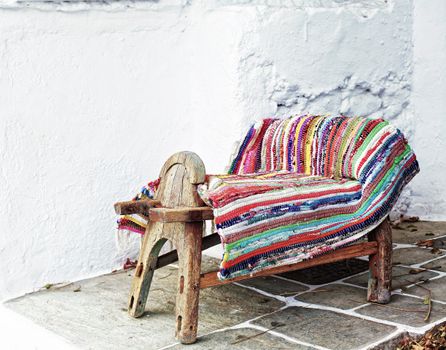
Consider incorporating vintage textiles—such as a grandmother’s quilt on a handcrafted bed or an antique kilim rug beneath a modern walnut coffee table. These tell a story and create a lived-in, welcoming feel.
Additionally, don’t overlook small details. Swap out mass-produced pillow covers for hand-stitched ones, or use a bespoke table runner that echoes the wood grain of your dining table. These touches are subtle but powerful in making your home truly yours.
Bringing It All Together: Your Blueprint for a Cozy, Textured Sanctuary
The art of combining textiles with handmade furniture lies in celebrating contrast, comfort, and character. By choosing quality natural materials, playing with color and pattern, and layering textures, you not only enhance the beauty of your handcrafted pieces but also create a home that feels warm and inviting through every season.
Remember, there are no strict rules—only guidelines to support your creativity. Pay attention to how each textile feels and functions alongside your furniture, and don’t be afraid to experiment with combinations until you find what feels right for you. With thoughtful choices, your home will radiate the kind of coziness that’s both stylish and deeply personal.