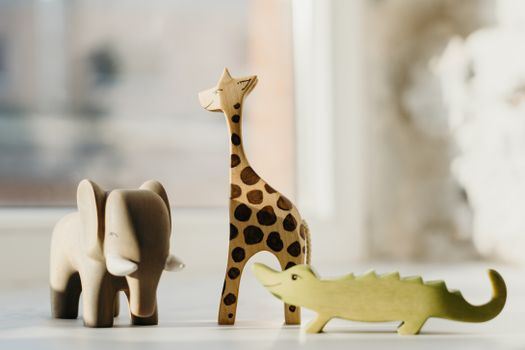
Handcrafted Furniture for Children: Safe and Functional Solutions for Kids' Rooms
Few spaces in the home are as dynamic, creative, and important as a child’s room. It’s where children play, learn, rest, and develop their own sense of style and independence. Choosing the right furniture for these spaces is much more than a matter of aesthetics: it’s about creating a safe, nurturing, and practical environment that grows with your child. Handcrafted furniture for children stands out as a solution that blends safety, functionality, and unique design, offering families a meaningful alternative to mass-produced items.
This article explores the world of handcrafted children’s furniture, focusing on what makes it safer and more functional, and how it can be tailored to fit children’s needs, support their development, and enrich the family home.
Understanding the Unique Needs of Kids’ Room Furniture
Children’s furniture faces a unique set of demands. Unlike adult furniture, it must accommodate rapid growth, rough play, and ever-changing interests. Children need furniture that is:
.png) - Safe for their size and energy level
- Easy to use and access independently
- Adaptable as they grow
- Encouraging of creativity and imagination
- Safe for their size and energy level
- Easy to use and access independently
- Adaptable as they grow
- Encouraging of creativity and imagination
According to a 2022 report by the U.S. Consumer Product Safety Commission, over 11,000 children are treated in emergency rooms each year due to furniture-related injuries, with many incidents involving tipping or unsafe finishes. This underscores the need for thoughtful, child-centered design that goes beyond basic durability.
Handcrafted children’s furniture is often designed with these considerations front and center. Artisans can tailor furniture to specific age ranges, use non-toxic materials, and employ joinery techniques that minimize hazards. Unlike mass-market products, handcrafted pieces are less likely to have sharp corners, toxic glues, or small parts that pose choking risks.
What Sets Handcrafted Children’s Furniture Apart?
Handcrafted furniture brings a level of quality and customization that mass-produced items rarely match. Here are the main aspects that make handcrafted pieces ideal for children’s rooms:
1. Safety-First Construction Artisans who specialize in children’s furniture often go to great lengths to ensure safety. Rounded edges, soft-close hinges, and stable, wide-set bases are typical features. Additionally, handcrafters can avoid harmful chemicals and finishes such as formaldehyde or volatile organic compounds (VOCs), which are still found in some factory-made items. 2. Customization to Fit Your Space and Needs One of the great advantages of handcrafted furniture is the ability to customize. Whether you need a bunk bed for siblings, a reading nook that doubles as toy storage, or a desk sized for a preschooler, artisans can create solutions tailored to your child’s age, room size, and interests. 3. Durable Materials and Craftsmanship Handmade furniture makers tend to select high-quality, solid woods such as maple, oak, or beech, which are less likely to chip or break. Many pieces become heirlooms, lasting through multiple children or even generations. For example, a study from the American Hardwood Export Council found that solid hardwood furniture can last over 50 years with proper care. 4. Support for Eco-Friendly Practices Many handcrafters use sustainably sourced woods and water-based or natural finishes. This reduces the environmental impact and ensures that the furniture is safe for children sensitive to chemicals.Key Types of Handcrafted Furniture for Children’s Spaces
The variety of handcrafted furniture for kids is nearly endless, but some categories are especially popular and functional. Here are four essential types, each offering unique benefits:
Bunk Beds and Loft Beds These space-saving solutions are a favorite in shared or small rooms. Handcrafters can adjust heights, add integrated storage, or include fun features like slides and forts. Importantly, custom beds can be built lower to the ground for younger children, reducing fall risks.
Toy and Book Storage Handcrafted storage pieces are often designed to be accessible for small hands, encouraging tidiness and independence. Open shelving, personalized toy chests, and modular cubbies make it easy for children to see and reach their belongings safely.
Child-Sized Desks and Tables These pieces support early learning and creative play. Unlike generic options, a handcrafted desk can be built at exactly the right height for your child, with rounded edges and stable legs. Some artisans offer adjustable designs that grow with your child.
Seating Solutions From pint-sized rocking chairs to sturdy benches, handmade seating can be whimsical and comfortable. Upholstery can be chosen to match your décor and made easy to clean, a must for parents.
Comparing Handcrafted vs. Mass-Produced Children’s Furniture
Handcrafted and mass-produced children’s furniture each have their place, but how do they stack up on key criteria? Here’s a detailed comparison:
| Feature | Handcrafted Furniture | Mass-Produced Furniture |
|---|---|---|
| Safety | Rounded edges, non-toxic finishes, custom stability features | May have sharp corners, less rigorous material safety |
| Customization | Fully customizable (size, color, features, personalization) | Limited to available catalog options |
| Durability | High-quality solid woods, built to last decades | Often uses particle board or MDF, shorter lifespan |
| Environmental Impact | Often uses sustainable materials and finishes | May use unsustainable materials or high-emission finishes |
| Price | Higher upfront, but longer-lasting | Lower upfront cost, may need replacement sooner |
This table highlights why handcrafted furniture is often seen as an investment in both quality and peace of mind, especially for families prioritizing safety and sustainability.
Supporting Children’s Development with Thoughtful Design
Beyond the basics of safety and durability, well-designed handcrafted furniture can actively support your child’s development. Here’s how:
- $1 Furniture scaled to a child’s size helps them learn to dress themselves, put away toys, and select books, fostering responsibility and confidence. - $1 Unique features like chalkboard surfaces, built-in art easels, or themed beds (think castles or treehouses) can inspire imaginative play. - $1 An ergonomic desk at the right height can improve posture and focus during homework or creative projects. - $1 Personalized storage solutions teach organizational skills from a young age, making clean-up a fun and manageable task.According to a 2021 study published in the Journal of Environmental Psychology, children who have input into their room’s layout and furnishings are more likely to express creativity and feel a sense of ownership over their environment.
Personalization: Making Spaces Truly Their Own
One of the most delightful aspects of handcrafted children’s furniture is the opportunity for personalization. From engraved names on toy chests to custom color palettes, children can help choose elements that reflect their personality. This sense of ownership can make bedtime routines smoother and encourage children to take pride in their space.
Some artisans offer even more unique touches, such as hand-painted motifs, themed carvings, or reversible panels that change as children grow. For families with special needs, custom furniture can provide tailored accessibility features, such as wheelchair-friendly desks or sensory-friendly finishes.
A great example comes from a Czech workshop that recently created a Montessori-inspired bedroom set, including a floor bed, open wardrobe, and accessible shelving, all designed to foster independence for a child with limited mobility.
Choosing the Right Handcrafted Furniture Maker
Selecting the right artisan or workshop is key to a successful project. Here are some expert tips:
- $1 Ask about materials, finishes, and joinery. Look for artisans who use EN 71-3 certified finishes or equivalent standards. - $1 Reputable makers often share photos and testimonials from past clients. - $1 Good artisans will ask about your child’s age, abilities, room size, and interests before suggesting designs. - $1 Custom work may take several weeks. Clear communication about timeline and payment is crucial.A 2023 survey by the European Federation of Furniture Manufacturers found that 68% of parents who chose handcrafted children’s furniture cited “direct communication with the maker” as a top reason for their satisfaction.
Safe and Functional Solutions: Investing in Your Child’s Wellbeing
Handcrafted furniture for children is more than a style choice; it’s a commitment to safety, sustainability, and your child’s development. By opting for pieces that are thoughtfully designed, expertly crafted, and tailored to your family’s needs, you create a space where your child can thrive. While the upfront investment can be higher, the long-term benefits in durability, safety, and emotional connection far outweigh the costs. As children grow, these pieces become cherished parts of family history—reminders of the care and creativity invested in their formative years.