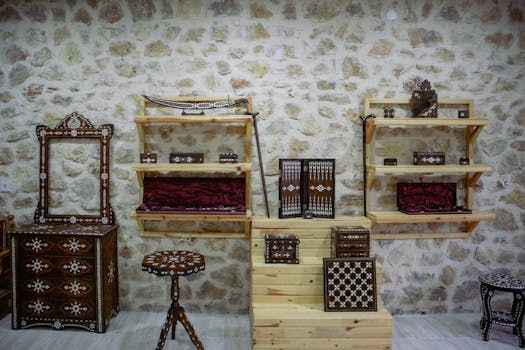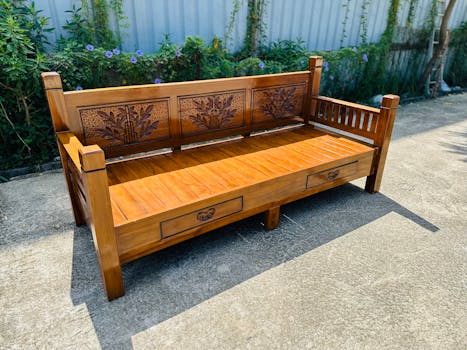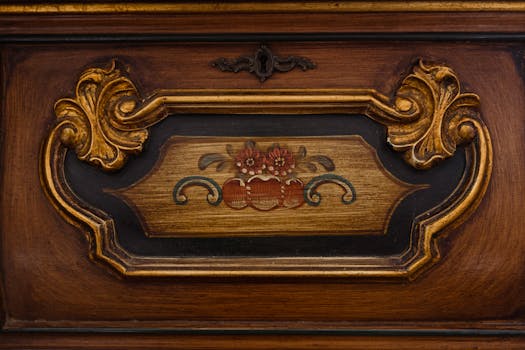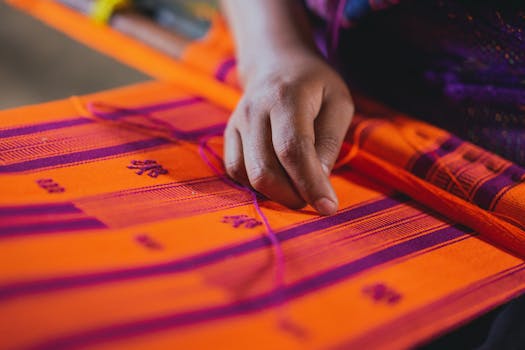
Handcrafted furniture and wood carving represent a timeless tradition where skill, artistry, and passion intermingle to create objects of extraordinary beauty and function. This craft, unlike the standardized outputs of mass production, emphasizes the unique touch of the artisan, making each piece a distinct work of art. This blog post explores the intricate process behind these creations, shedding light on the techniques and commitment required to master the art of woodworking.
The Selection of Wood
The journey of crafting handcrafted furniture and wood carvings begins with the selection of wood, a step as critical as any in the process. Artisans choose their wood based on factors such as grain, color, and the wood's natural characteristics. Hardwoods like oak, maple, and walnut are prized for their strength and the rich, deep hues they can offer, making them ideal for pieces that require durability and an elegant finish. Softer woods like pine, on the other hand, are easier to carve and are often used for more detailed work where intricacy is more crucial than structural integrity.
.png)
Designing the Piece
Following wood selection, the artisan moves to the design phase, where imagination and cultural influence come into play. Crafting handcrafted furniture and wood carvings is not merely about following traditional patterns; it's about infusing pieces with innovation and personal style. Whether drawing on historical techniques or integrating modern trends, the design process is crucial for ensuring the piece is not only visually appealing but also functional and structurally sound.
The Carving and Construction Phase
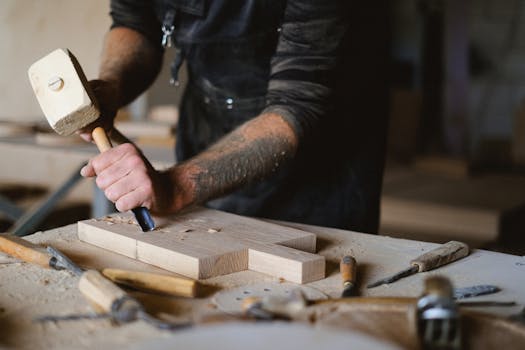
With a design in place, the physical creation begins. Carving wood requires precision and a deep understanding of the material. Using tools like chisels, gouges, and carving knives, artisans bring their designs to life. Furniture making also involves meticulous joinery techniques such as dovetails and mortise-and-tenon, which ensure the piece’s durability and stability without the need for modern hardware.
Finishing Touches
Choosing the right finish is vital, as it protects the wood and enhances its natural beauty. Various finishes like varnishes, oils, and waxes each offer different aesthetic effects and levels of protection. A well-chosen finish will not only beautify the wood but also safeguard it against environmental damages such as moisture and UV rays.
Sustainability Considerations
Modern artisans are increasingly mindful of the environmental impact of their work. Many prioritize the use of sustainably sourced wood and eco-friendly finishes. They also strive to reduce waste by repurposing wood offcuts into smaller items or decorative elements, reflecting a commitment to environmental stewardship alongside artistic creation.
The Artisan's Legacy
The completed piece is more than a mere object; it is a narrative of the artisan's skill, the cultural heritage that influences the design, and the meticulous process behind its creation. Each handcrafted item is imbued with a story and character, making it a profound addition to any space.
Handcrafted furniture and wood carvings stand as a testament to human creativity and craftsmanship. Understanding the detailed process behind these pieces enriches our appreciation and allows us to recognize the profound connection between the artisan and their craft. Whether as a collector, a home decorator, or an admirer of fine craftsmanship, recognizing the value of handcrafted furniture and wood carvings enhances our understanding of art, history, and culture.