Handmade furniture is cherished for its uniqueness, durability, and the craftsmanship poured into every piece. Yet, what truly sets apart an exceptional handmade table, chair, or cabinet is not just the artisan’s skill—but the material chosen as its foundation. Whether you’re a maker, a buyer, or simply a design enthusiast, understanding how to choose the ideal material for handmade furniture is essential for creating or selecting pieces that last, function beautifully, and reflect your style.
The Critical Role of Material in Handmade Furniture
Selecting the right material is the cornerstone of successful handmade furniture. The choice influences not only aesthetics but also structural integrity, longevity, maintenance requirements, and environmental impact.
According to a 2023 survey by the American Home Furnishings Alliance, over 70% of consumers cited material quality as their primary concern when purchasing handcrafted furniture. This is no surprise—furniture made from inferior woods or metals can warp, crack, rust, or degrade in just a few years, while thoughtfully chosen materials can last for generations.
.png)
Materials also determine how a piece weathers daily use. For example, a soft pine coffee table may dent easily in a household with children, while a solid oak alternative can withstand far more wear. Understanding these nuances is key to making informed decisions.
Wood, Metal, and Beyond: Comparing the Main Handmade Furniture Materials
The world of handmade furniture materials is vast, but most pieces are crafted from wood, metal, or a combination. Each offers distinct advantages and drawbacks. Let’s explore the most popular choices:
| Material | Pros | Cons | Best For |
|---|---|---|---|
| Solid Hardwood (Oak, Maple, Walnut) | Durable, long-lasting, beautiful grain, easy to repair | Expensive, heavy, can be affected by humidity | Tables, heirloom pieces, high-traffic furniture |
| Softwood (Pine, Cedar, Fir) | Affordable, lightweight, easy to work with | Softer, prone to dents and scratches, less durable | Decorative pieces, rustic styles, children's furniture |
| Engineered Wood (Plywood, MDF) | Stable, resists warping, cost-effective, eco-friendly options | Visible edges may not be attractive, not as durable as solid wood | Cabinetry, shelving, painted furniture |
| Metal (Steel, Aluminum, Iron) | Very strong, modern aesthetic, resists pests | Can rust (iron), may feel cold/industrial, heavy | Frames, industrial-style furniture, outdoor use |
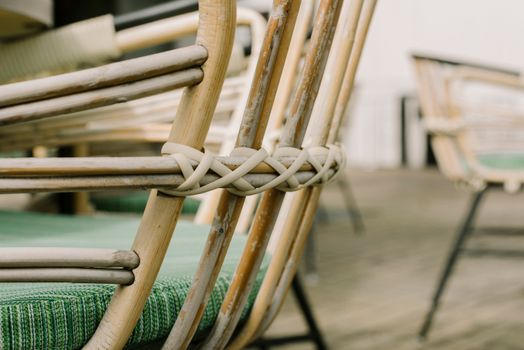
| Bamboo | Renewable, lightweight, contemporary look, strong for its weight | Limited styles, can be less durable than hardwoods | Eco-friendly pieces, modern designs |
| Reclaimed Materials | Sustainable, unique character, often cost-effective | Inconsistent quality, may require more prep | Rustic furniture, custom projects |
Key Factors to Consider When Choosing Materials
When deciding on the ideal material for handmade furniture, there are several critical factors to weigh:
1. $1 Will the furniture endure heavy, daily traffic or serve as an occasional showpiece? For example, a dining table in a busy household needs to resist scratches and spills—making hardwoods or metal an ideal choice. Outdoor furniture, on the other hand, requires materials that withstand moisture, UV rays, and temperature swings. Teak, cedar, and powder-coated metals are popular for such settings due to their natural resilience. 2. $1 Material dramatically shapes the look and feel of a piece. Walnut, with its rich, dark tones, suits luxury designs, while pine’s light color fits casual or rustic styles. Metal offers a sleek, industrial edge, and bamboo provides a fresh, modern vibe. Don’t overlook how the natural grain, color, and texture of materials impact your interior design. 3. $1 The price differences between materials can be significant. For example, as of 2024, solid walnut averages $15–$25 per board foot, while pine can be found for as little as $3–$5 per board foot. Engineered woods like MDF or plywood are even more affordable and sometimes preferable for painted or built-in projects. Always balance your budget with the desired quality and longevity. 4. $1 Sustainability is increasingly important. Bamboo, for instance, grows up to 35 inches per day and is ready for harvest in 3–5 years, making it one of the most renewable furniture materials. Reclaimed wood and FSC-certified hardwoods also support eco-friendly choices. If environmental stewardship matters to you, ask your artisan about sourcing practices. 5. $1 Some materials demand more care than others. Oiled hardwoods may need periodic reapplication, while powder-coated metals are virtually maintenance-free. Consider your willingness to maintain the piece when choosing materials.Understanding Wood Types: Hardwood vs. Softwood vs. Engineered Wood
Wood remains the most popular material for handmade furniture, but not all woods are created equal. Here’s what you need to know:
- $1 Derived from deciduous trees (like oak, maple, and cherry), hardwoods are denser and more durable. They’re ideal for pieces subject to heavy use. For example, white oak has a Janka hardness rating of 1,360 lbf, making it highly resistant to wear. - $1 From coniferous trees (such as pine and cedar), softwoods are lighter and generally easier to work with. While less durable, they’re perfect for decorative or less-trafficked furniture. Eastern white pine, for example, has a Janka rating of just 380 lbf. - $1 Products like plywood and MDF are made by bonding wood fibers or veneers. While not as robust as solid wood, they’re stable (less prone to warping) and cost-effective. Modern engineered woods can even be sourced from recycled material, making them a sustainable option.Understanding these distinctions can help you match the right species and format of wood to each project or purchase.
Exploring Alternative and Innovative Materials in Handmade Furniture
While traditional woods remain favored, artisans are increasingly experimenting with alternative and hybrid materials:
- $1 Technically a grass, bamboo’s rapid growth and tensile strength make it a sustainable favorite. In 2022, global bamboo furniture sales exceeded $3.1 billion, highlighting its rise in popularity. Its distinctive look and eco-friendliness appeal to modern consumers. - $1 Using wood from old barns, factories, or even shipping pallets not only gives furniture unique character but also diverts waste from landfills. Each piece tells a story, and no two are exactly alike. - $1 Pairing steel or iron frames with wooden tops or accents delivers both strength and style. For instance, an industrial table might feature a welded steel base and a reclaimed oak surface—a blend of durability and rustic warmth. - $1 Some artisans use composites made from recycled plastics or glass. While rare in traditional furniture, these materials are gaining traction in outdoor and contemporary designs due to their durability and environmental benefits.Practical Tips for Selecting the Best Material for Your Handmade Furniture
1. $1 Artisans possess a wealth of knowledge about the strengths and weaknesses of various materials. Share your needs, style, and concerns—they can guide you toward the perfect match. 2. $1 Seeing and feeling the material in person can help you judge its color, grain, and texture. Many makers offer small samples to aid in decision-making. 3. $1 Some materials are easier to fix than others. Solid wood can typically be sanded and refinished, while MDF or veneered surfaces may not be as forgiving. 4. $1 Quality handmade furniture is an investment. Prioritize materials that will stand the test of time, especially for daily-use pieces. 5. $1 For wood, look for FSC (Forest Stewardship Council) or PEFC (Programme for the Endorsement of Forest Certification) labels to ensure responsible sourcing.Making the Right Material Choice for Handmade Furniture: Key Takeaways
Choosing the ideal material for handmade furniture is a blend of practical considerations and personal taste. Start by defining how the piece will be used and where it will live. Match these needs to the strengths of each material—hardwoods for durability, engineered woods for stability, bamboo or reclaimed wood for sustainability, and metals for strength or style.
Never hesitate to seek expert advice or ask your furniture maker for recommendations tailored to your lifestyle. By paying close attention to material selection, you don’t just get a stunning piece—you gain a functional, lasting heirloom designed to enrich your space for years.