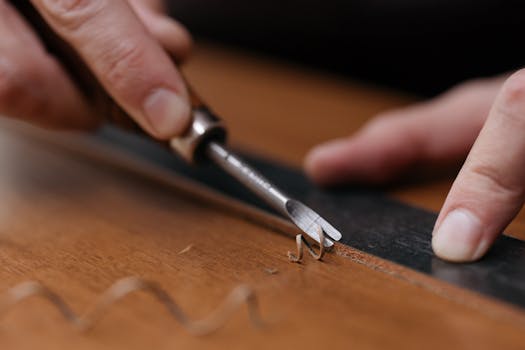
The Ultimate Luxury: Custom Handcrafted Furniture
In an era where mass production dominates the furniture market, a quiet revolution is taking place in the homes of discerning individuals: the embrace of custom handcrafted furniture. This ultimate luxury isn't defined by opulent materials or flashy design alone—it's about exclusivity, artistry, and the deep connection between the maker, the buyer, and the resulting masterpiece. Custom handcrafted furniture stands as a testament to personal expression, meticulous craftsmanship, and an elevated lifestyle that values quality over quantity. But what truly sets this level of luxury apart, and why are more people investing in bespoke pieces for their living and working spaces?
Defining Custom Handcrafted Furniture: Beyond the Basics
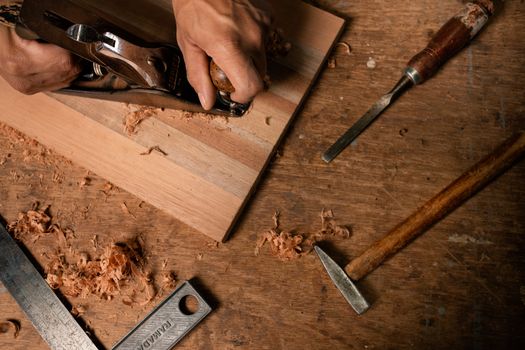
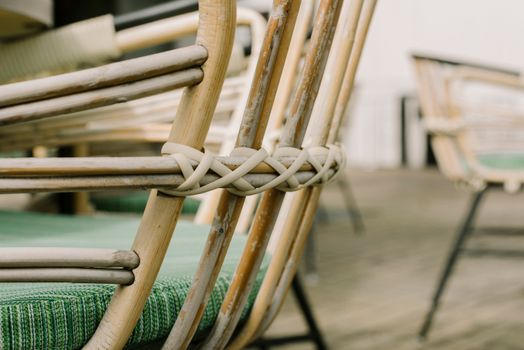
Custom handcrafted furniture refers to pieces made individually by skilled artisans, tailored specifically to the client’s requirements in style, size, materials, and function. Unlike off-the-shelf options, these creations are not simply assembled on an assembly line. Each element—from the selection of wood grain to the hand-applied finishes—is carefully chosen and executed, often using time-honored techniques passed down through generations.
The custom approach allows for a level of personalization unmatched by standard furniture. For example, a client might request a dining table that incorporates a family crest or a bookshelf designed to fit an awkward alcove perfectly. According to a 2023 study by the American Home Furnishings Alliance, demand for bespoke furniture has surged by 28% over the past decade, with buyers citing individuality and quality as the top motivators.
.png)
Key elements of custom handcrafted furniture include:
- $1 Created from scratch or adapted from existing styles to suit the client’s aesthetic. - $1 Clients can choose from exotic hardwoods, reclaimed materials, metals, glass, and more. - $1 Skilled makers employ both traditional and modern techniques for joinery, carving, and finishing. - $1 These pieces often become family heirlooms, increasing in value and sentiment over time.The Artistic Process: Collaboration, Creativity, and Craft
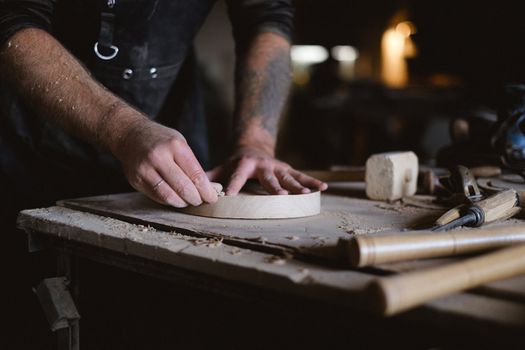
One of the most luxurious aspects of custom handcrafted furniture is the collaborative process between artisan and client. This partnership transforms furniture-making into an immersive creative journey, where every detail is considered and refined.
The process typically unfolds in several stages:
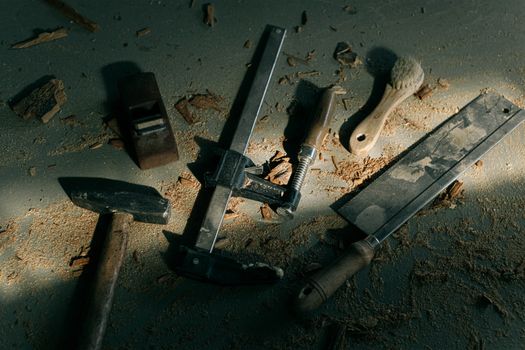
1. $1 Artisans meet with clients to discuss vision, needs, space, and style preferences. This stage often involves reviewing sketches, material samples, and reference pieces. 2. $1 Detailed drawings and sometimes 3D renderings are created. Adjustments are made until the design is perfect. 3. $1 Quality is paramount. Artisans source premium woods, metals, textiles, or other materials, often with sustainability in mind. 4. $1 The furniture is built by hand using specialized tools and techniques, such as mortise-and-tenon joinery or hand-applied finishes. This stage can take anywhere from several weeks to months, depending on complexity. 5. $1 The finished piece is delivered and, if required, installed in the client’s home, ensuring a perfect fit and finish.A prime example of this artistry is the work of master woodworker George Nakashima, whose iconic live-edge tables blend organic forms with impeccable craftsmanship, turning natural wood into functional art. Such pieces are not just furniture—they are stories told in grain and form.
Customization and Exclusivity: The Pinnacle of Personal Expression
What makes custom handcrafted furniture the ultimate luxury is its exclusivity. No two pieces are ever completely identical, even if the same design is replicated. Clients can request custom dimensions, rare materials, or specific finishes that reflect their tastes and lifestyles.
Consider these customization options:
- $1 Perfectly tailored to the dimensions of a specific room or space. - $1 Hidden compartments, integrated lighting, or adjustable shelving. - $1 Inlays, carvings, or bespoke hardware. - $1 Mixing wood with metal, stone, or glass for unique contrasts.This level of personalization is particularly appealing to those seeking to express their individuality or to create a cohesive interior design with signature focal points. For example, a client might request a coffee table made from a centuries-old oak beam salvaged from a historic building, blending heritage with modern functionality.
Investment Value: Longevity and Legacy
While custom handcrafted furniture commands a higher initial price than mass-produced alternatives, its value extends far beyond the purchase. These pieces are built to endure, both structurally and stylistically, often lasting for generations.
A 2021 survey by Furniture Today revealed that 64% of luxury furniture buyers viewed bespoke pieces as a long-term investment, with many planning to pass them down as family heirlooms. The use of premium materials and superior construction techniques ensures durability—solid hardwood joinery, quality finishes, and meticulous assembly mean that custom pieces often outlast their mass-market counterparts by decades.
Additionally, handcrafted furniture tends to retain or even appreciate in value, especially if created by renowned artisans or using rare materials. Collectors and design enthusiasts frequently seek out vintage custom pieces, sometimes paying substantial premiums at auction.
The table below compares key attributes of custom handcrafted furniture versus mass-produced furniture:
| Feature | Custom Handcrafted | Mass-Produced |
|---|---|---|
| Design Uniqueness | One-of-a-kind, fully customizable | Standardized, replicated designs |
| Materials | Premium, client-selected, often sustainable | Standard, sometimes lower-grade materials |
| Craftsmanship | Artisan-built, hand-finished | Machine-assembled, minimal handwork |
| Durability | Generational longevity | 5-10 years on average |
| Price Range | $3,000 - $50,000+ | $300 - $5,000 |
| Resale/Heirloom Value | High, often appreciates | Low, depreciates over time |
The Sustainability Factor: Responsible Luxury
Modern luxury is increasingly defined not just by aesthetics or price, but by ethics and environmental responsibility. Custom handcrafted furniture is often at the forefront of sustainable luxury, as artisans and clients prioritize eco-friendly materials and processes.
Some sustainability highlights include:
- $1 Reducing transportation emissions and supporting local economies. - $1 Using wood from old barns, factories, or fallen trees, giving new life to discarded materials. - $1 Employing natural oils or water-based stains that are healthier for people and the planet. - $1 Artisans typically produce less waste and use materials efficiently.A 2022 report by the Sustainable Furnishings Council showed that 41% of consumers willing to invest in high-end furniture cited environmental impact as a primary motivation. By choosing custom handcrafted pieces, buyers align their values with their investments, supporting small businesses and sustainable practices.
Showcasing Custom Handcrafted Furniture in Modern Interiors
Integrating custom handcrafted furniture into contemporary homes is an art in itself. These pieces can serve as bold focal points or blend seamlessly with existing decor, elevating the overall ambiance.
Some popular ways to showcase custom furniture include:
- $1 A sculptural dining table or a carved headboard can become the centerpiece of a room. - $1 Pieces like custom shelving or benches combine beauty with practicality. - $1 Pairing handcrafted items with modern or vintage decor for an eclectic, curated look. - $1 Custom desks, conference tables, or office storage create an inspiring environment for productivity.Interior designers often recommend starting with one or two custom pieces and building the room’s theme around them. This approach ensures that the artistry and craftsmanship stand out, while also creating a coherent visual narrative.
Timeless Appeal: Why Custom Handcrafted Furniture Endures
The allure of custom handcrafted furniture lies in its timelessness. Trends may come and go, but a beautifully made, one-of-a-kind piece remains relevant and cherished year after year. It’s not merely about owning luxury furniture—it’s about possessing something imbued with meaning, history, and a sense of place.
In a world saturated with disposable goods, investing in custom handcrafted furniture is a conscious choice to celebrate quality, authenticity, and the enduring connection between human hands and the spaces we call home.