Handmade Garden Furniture: How to Choose and What to Consider?
The garden is no longer just a place for growing flowers or vegetables—it’s become an extension of the home, a personal retreat for relaxation, entertaining guests, and making memories. As outdoor living gains popularity, homeowners are increasingly turning to handmade garden furniture for its unique charm, craftsmanship, and ability to reflect personal style. But with so many options on the market, how do you choose the right pieces? What factors should you weigh before investing in bespoke outdoor furniture? This comprehensive guide will help you navigate the world of handmade garden furniture, providing practical advice, key considerations, and the latest trends to help you create an outdoor oasis that’s as functional as it is beautiful.
The Value of Handmade Garden Furniture: Beyond Mass Production
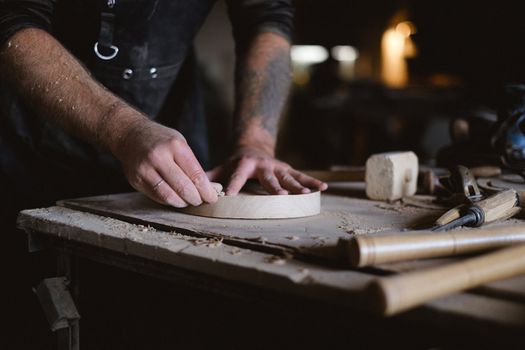
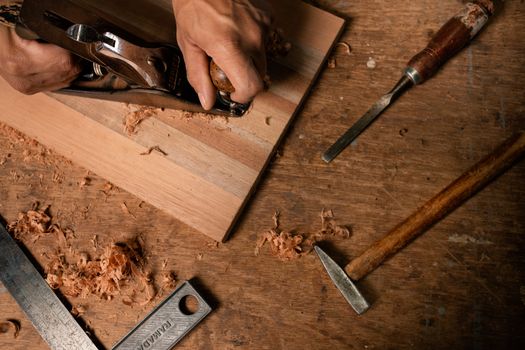
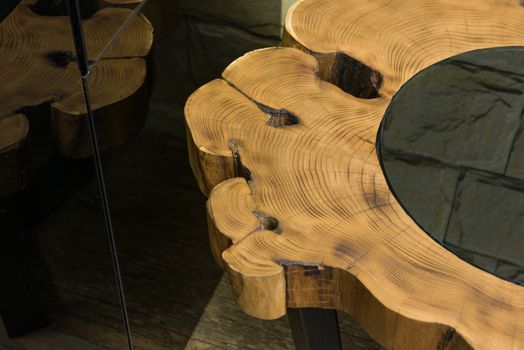
Handmade garden furniture stands apart from mass-produced alternatives in several important ways. The most obvious is craftsmanship: each piece is typically constructed by skilled artisans who pay attention to details like joinery, finishing, and durability. This results in furniture that not only looks distinctive but tends to last longer.
A 2022 survey by the International Furnishings and Design Association found that 68% of homeowners who purchased handmade garden furniture cited “unique design” and “lasting quality” as their primary reasons. Unlike mass-produced sets, handmade furniture can be customized in terms of size, wood species, finishes, and even special features like built-in planters or storage.
.png)
Furthermore, supporting small-scale artisans or local workshops often means your purchase has a lower environmental footprint. Many craftspeople use sustainable materials and traditional techniques that minimize waste, making handmade options a more eco-friendly choice.
Key Materials: What to Expect and How to Decide
The material you choose for your handmade garden furniture dramatically affects its appearance, longevity, and maintenance needs. Here’s a closer look at the most popular materials:
Wood: The classic choice, wood offers warmth and timeless appeal. Teak, oak, cedar, and acacia are among the top picks for outdoor use due to their natural resistance to weather and insects. Teak, for example, contains natural oils that help it withstand rain and sun, and can last up to 50 years with proper care.
Metal: Wrought iron, aluminum, and stainless steel are popular for their strength and sleek lines. Handmade metalwork often features intricate detailing, but it’s essential to ensure the metal is powder-coated or treated to prevent rust. Aluminum is lightweight and rust-resistant, making it ideal for moveable pieces.
Stone and Concrete: For a dramatic, permanent statement, some artisans specialize in stone or concrete garden furniture. These materials are virtually indestructible, though they require careful installation and can be difficult to move.
Recycled Materials: Increasingly, craftspeople are using reclaimed wood or repurposed metals to craft eco-friendly furniture with character and history. A 2023 report by Green Home Journal revealed a 32% increase in consumer interest for recycled-material garden furniture.
Below is a table comparing key features of different materials used in handmade garden furniture:
| Material | Durability (Years) | Maintenance | Weather Resistance | Unique Features |
|---|---|---|---|---|
| Teak Wood | 30-50 | Low (annual oiling) | Excellent | Ages to silver-grey patina |
| Oak Wood | 20-25 | Moderate (sealing, staining) | Good | Classic grain, sturdy build |
| Wrought Iron | 15-25 | Moderate (rust protection) | Good | Intricate designs possible |
| Aluminum | 10-15 | Low | Excellent | Lightweight, rust-proof |
| Concrete | 50+ | Low | Excellent | Modern aesthetic, permanent |
| Recycled Wood/Metal | 10-30 | Varies | Varies | Eco-friendly, unique look |
Design and Comfort: Balancing Aesthetics with Function
Handmade garden furniture isn’t just about looks—it should also be comfortable and fit the way you use your outdoor space. Here are the main aspects to consider:
Ergonomics and Comfort: Look for chairs and benches with contoured seats, supportive backs, and the right seat height (typically around 16-18 inches for chairs). Ask if cushions can be customized or if the furniture design accommodates standard outdoor cushions.
Space Planning: Measure your garden or patio to determine how much room you have for furniture. In a 2021 survey, 42% of buyers reported regret after purchasing pieces that were either too large or too small for their space. Allow for at least 24 inches between chairs for easy movement.
Customization: One of the joys of handmade furniture is the ability to customize. Whether you want a dining table that seats ten, a loveseat that fits a cozy corner, or a bench with your family’s name carved into it, communicate your needs with the maker.
Style and Theme: Consider what look you want to achieve—rustic farmhouse, modern minimalist, cottage garden, or something else. Handmade furniture can be tailored to your preferred aesthetic, with custom finishes, paint colors, and decorative elements.
Weatherproofing and Maintenance: Keeping Handmade Furniture Beautiful
The longevity of your handmade garden furniture depends not only on materials and construction but also on how well it’s protected from the elements. Here are the key steps and considerations:
Finishes and Treatments: Many artisans use UV-resistant finishes, marine varnishes, or natural oils to shield wood from sun and rain. For metal furniture, powder coating is essential for rust prevention. If your furniture will be exposed to harsh weather, ask the maker about weatherproofing options.
Seasonal Care: Even the toughest materials benefit from some protection. Use covers during winter or periods of heavy rain, and store cushions indoors when not in use. Periodic cleaning—using mild soap and water for most materials—extends the lifespan of your furniture.
Restoration and Repair: One advantage of handmade furniture is that it’s often easier to repair than mass-produced pieces. Scratches, dents, or faded finishes can usually be restored by the original maker or a local craftsman.
Sustainability: According to the European Environment Agency, properly maintained wooden furniture can store carbon for decades, reducing its overall environmental impact compared to plastic or disposable alternatives.
Ethics, Sustainability, and Supporting Local Artisans
Choosing handmade garden furniture isn’t just about getting a beautiful product—it’s also an opportunity to make a positive impact. Here’s what to bear in mind:
Sourcing and Materials: Ask where the wood or metal comes from. Is it sustainably harvested or recycled? The Forest Stewardship Council (FSC) certifies wood that meets rigorous environmental and social standards.
Fair Labor Practices: When you buy from local artisans, you can often trace the origin of your furniture and ensure that fair labor practices are followed. This transparency is usually impossible with mass-produced imports.
Community Impact: Supporting small workshops helps sustain traditional skills and keeps money circulating in local economies. According to Craft Industry Alliance, every $100 spent at a local artisan business generates $68 in local economic activity, compared to $43 when spent at a chain.
Trends in Handmade Garden Furniture for 2024
If you’re looking for inspiration, consider these current trends in handmade garden furniture:
Mixed Materials: Craftspeople are combining wood with metal, stone, or woven fibers for a contemporary look.
Modular and Multi-Functional Designs: Benches that convert into tables, storage ottomans, and modular seating arrangements are increasingly popular for smaller gardens.
Eco-Conscious Choices: Pieces made from reclaimed wood or upcycled materials are in high demand, reflecting a growing environmental awareness.
Personalization: From engraved family names to custom color palettes, personalization is a major trend, allowing homeowners to express their unique style.
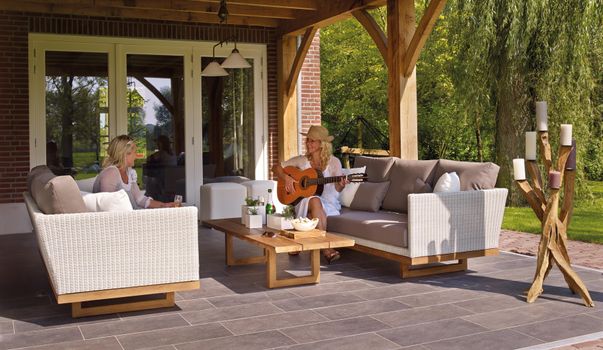
Outdoor “Rooms”: Complete sets that include dining, lounging, and even workspace furniture are transforming gardens into true living areas.
Final Thoughts on Choosing Handmade Garden Furniture
Investing in handmade garden furniture is about more than acquiring a table or a bench—it’s about creating an outdoor sanctuary that reflects your taste, values, and lifestyle. By considering materials, design, weather resistance, and ethical factors, you can select pieces that will serve you for years to come. As outdoor living continues to grow in popularity, handmade furniture offers a way to stand out, support talented artisans, and enjoy the beauty of craft in your own backyard.