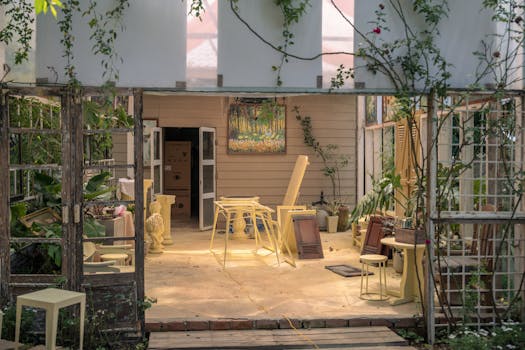
Handcrafted Furniture and Wood Carving: Transforming Living Spaces with Personality and Purpose
The atmosphere of a home is created not just by its architecture or color palette, but by the character of its furnishings. In an age where mass-produced items dominate the market, handcrafted furniture and wood carving offer a unique avenue to infuse living spaces with individuality, artistry, and enduring value. These pieces are more than functional objects—they are expressions of heritage, creativity, and personal taste that can redefine any room. By understanding how handcrafted furniture and carved woodwork can elevate your environment, you can curate a space that feels personal, welcoming, and truly one-of-a-kind.
The Power of Personalization: Why Handmade Woodwork Stands Out
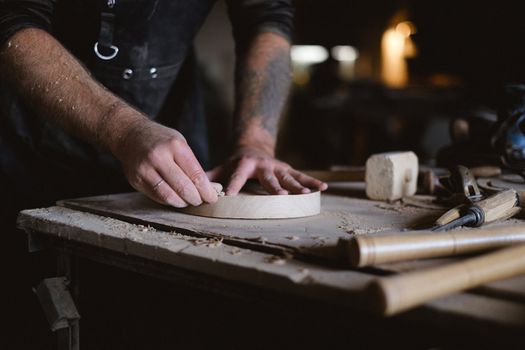
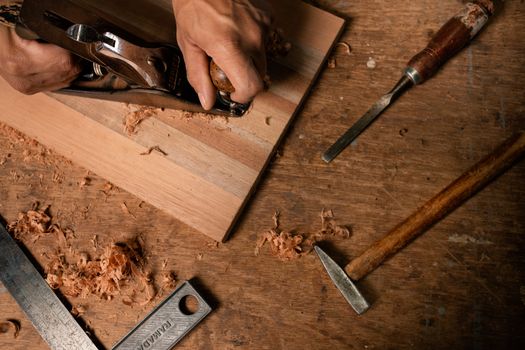
One of the most compelling reasons to choose handcrafted furniture and wood carving is the level of personalization they offer. Unlike factory-made items, each handcrafted piece is shaped by the vision, skill, and dedication of its maker. This attention to detail means no two pieces are exactly alike—variations in grain, finish, and carving style create subtle distinctions that add richness and depth to your décor.
.png)
Personalization extends beyond aesthetics. Custom-made pieces can be designed to fit unique spaces, accommodate specific needs, or reflect your family’s traditions and stories. According to a 2023 report by the American Home Furnishings Alliance, 41% of buyers cited “expressing personal style” as their primary reason for seeking custom furniture. In an era of impersonal, flat-packed designs, bespoke woodwork empowers you to make your living space a true reflection of yourself.
Handcrafted wood carving, whether integrated into furniture frames, wall panels, or standalone sculptures, can also serve as a powerful storytelling tool. Traditional motifs, patterns, or even family crests can be incorporated into the design, connecting your home to your heritage or cultural values.
Quality and Durability: An Investment That Lasts Generations
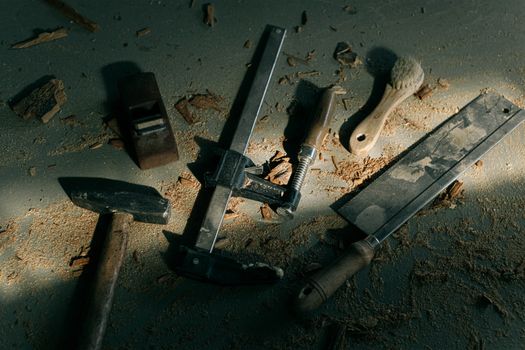
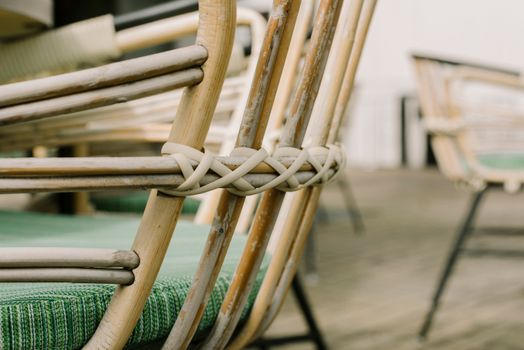
Handcrafted furniture is renowned for its superior construction and materials. Skilled artisans use time-tested joinery techniques—such as mortise and tenon, dovetail, or dowel joints—which provide exceptional stability and strength. Solid hardwoods like oak, walnut, or cherry are often chosen for their durability and natural beauty, far surpassing the particle board or veneer finishes common in mass-produced items.
A study by Furniture Today found that well-maintained handcrafted wooden furniture can last 50 years or more, compared to the 10-15 year lifespan of many factory-made alternatives. This longevity is not only a testament to craftsmanship but also represents a sustainable choice; fewer replacements mean less waste and a lower overall environmental footprint.
Additionally, wood carving can reinforce structural elements, adding both support and aesthetic value. For example, intricately carved chair legs or bed headboards aren’t just visually striking—they can also contribute to the overall sturdiness of the piece.
The Emotional Impact: Creating a Warm and Inviting Ambiance
Beyond their physical attributes, handcrafted furniture and wood carvings have a profound effect on the emotional tone of a room. Natural wood exudes warmth, evoking a sense of comfort and grounding that synthetic materials rarely match. The tactile quality of carved surfaces—smooth, flowing lines or intricate reliefs—invites touch and interaction, making rooms feel welcoming and lived-in.
This emotional resonance is supported by research: a 2022 survey by the Woodworking Network revealed that 68% of homeowners felt more “at home” in spaces furnished with natural wood and handcrafted details. The presence of artisanal pieces can also encourage mindfulness, fostering a deeper appreciation for the objects in your environment and the stories they carry.
Handcrafted woodwork can serve as a focal point or conversation starter, giving guests something to admire and discuss. Whether it’s a hand-carved mantelpiece, a custom dining table, or a whimsical wooden sculpture, these items add soul to your interior, breaking the monotony of mass-market décor.
Environmental and Ethical Advantages: Choosing with Conscience
Sustainability is increasingly important for modern homeowners, and handcrafted furniture excels in this area. Artisans often source wood from responsibly managed forests or use reclaimed materials, minimizing deforestation and habitat loss. Unlike mass production, which relies heavily on energy-intensive machinery and long-distance shipping, handcrafted processes typically have a smaller carbon footprint.
Ethical considerations are also central. By supporting local craftspeople, you help sustain traditional skills and strengthen community economies. A 2021 United Nations report highlighted that every $1 spent on local crafts generates up to $2.50 in regional economic returns, compared to less than $1.50 for global retail chains.
Moreover, the transparency of the handcrafted supply chain allows you to make informed choices about the origins of your furniture. Many artisans are open about their sourcing and production methods, giving you peace of mind that your investment aligns with your values.
Design Flexibility: Blending Tradition with Modern Aesthetics
Contrary to the misconception that handcrafted furniture and wood carving are only suited to rustic or traditional interiors, these techniques offer remarkable versatility. Artisans today blend classic craftsmanship with contemporary design, creating pieces that complement any décor style—from minimalist Scandinavian to bold industrial settings.
Custom woodwork can be tailored to fit awkward spaces, such as under-stair nooks, bay windows, or open-plan lofts. This adaptability means you’re not limited by the standard dimensions of factory-built furniture, making handcrafted options ideal for maximizing both beauty and function in your home.
Carved details can also be as subtle or as dramatic as you desire. For instance, a sleek, modern coffee table might feature a delicate inlaid border, while a statement bookshelf could showcase bold, geometric reliefs. The possibilities are endless, limited only by your imagination and collaboration with a skilled craftsperson.
Comparing Handcrafted and Mass-Produced Furniture: A Data Overview
To illustrate the differences between handcrafted and mass-produced furniture, consider the following comparison:
| Feature | Handcrafted Furniture | Mass-Produced Furniture |
|---|---|---|
| Average Lifespan | 50+ years | 10-15 years |
| Primary Materials | Solid hardwoods, often locally sourced | Particle board, veneer, MDF |
| Personalization | Fully customizable (size, style, finish, carving) | Limited or none |
| Environmental Impact | Lower (sustainable sourcing, less waste) | Higher (energy-intensive, longer supply chains) |
| Price Range | $800–$4,000+ per major piece | $200–$1,500 per major piece |
| Resale/Heirloom Value | High (potential to appreciate) | Low (depreciates quickly) |
These data points underscore the long-term benefits of investing in handcrafted furniture, not only in terms of quality and aesthetics but also sustainability and value retention.
Final Reflections: Bringing Character and Meaning Into Your Home
Choosing handcrafted furniture and wood carving is an investment in more than just décor—it’s a commitment to quality, sustainability, and the preservation of artistry. These pieces bring a sense of history, warmth, and individuality that mass-market furnishings simply cannot replicate. Whether you’re seeking to fill your home with story-rich heirlooms or looking to make a bold design statement, artisanal woodwork offers endless possibilities.
As trends come and go, the timeless appeal of handmade furniture remains. By integrating these pieces into your living space, you create an environment that is as unique and enduring as the craftsmanship behind it.