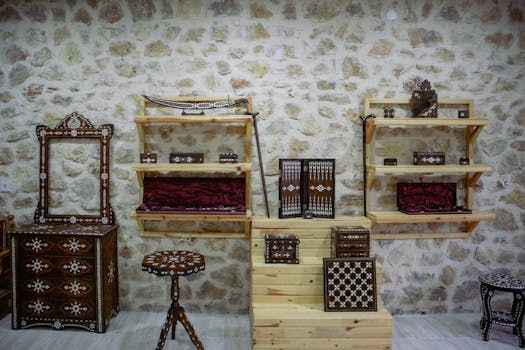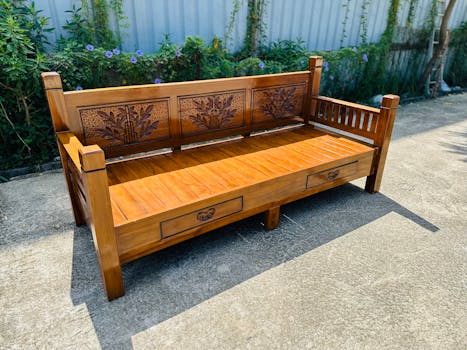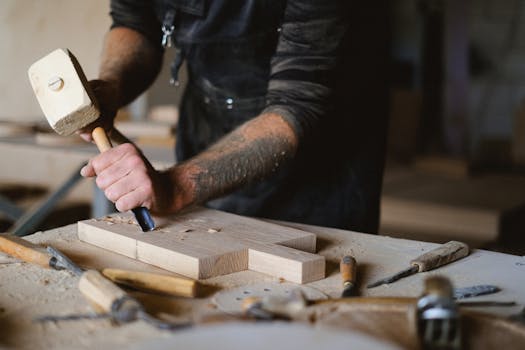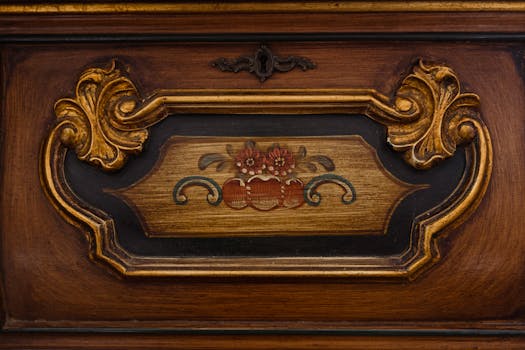
Handmade furniture and wood carving represent not merely a form of craftsmanship but an art form that embodies a rich historical lineage and a deep personal touch. This article explores the realms of these crafts, emphasizing their techniques, historical roots, and contemporary relevance.
Historical Roots and Evolution
The tradition of wood carving and furniture making stretches back millennia, with examples found in ancient Egyptian tombs and extending through to the opulent carved furniture of the Baroque period. Over centuries, these crafts have evolved from purely functional to highly decorative and symbolic uses, reflecting societal changes and technological advancements.
.png)
Selecting the Right Wood
The choice of wood is fundamental in the creation of handmade furniture and carvings. Each wood type brings its own color, grain, and workability. Hardwoods like oak and mahogany are prized for their strength and fine grain, making them ideal for furniture that lasts. Softer woods like pine, on the other hand, are often used for intricate carvings due to their malleability.
Techniques of Wood Carving
Wood carving involves various techniques, each suited to different styles and details:
- Relief Carving: Carving figures into wood, leaving a raised image against a flat background.
- Chip Carving: A method that involves removing small chips of wood to create patterns.
- Intarsia: An advanced technique that uses varied wood pieces, fitted together to create a mosaic-like effect.
The Art of Furniture Making
Furniture making combines functionality with aesthetics, requiring a deep understanding of both wood properties and design principles. Traditional joinery techniques like dovetail or mortise-and-tenon joints are not only beautiful but also exemplify strength and durability in furniture construction.
Finishing Techniques
The final step in both wood carving and furniture making is the finishing process. Finishes enhance the wood’s natural beauty and protect it from environmental factors. Techniques vary widely from simple oiling and waxing to more complex processes like French polishing, which involves layering shellac to a high gloss.
Sustainability and Ethical Practices
Today, there is a growing emphasis on sustainability in woodworking. Artisans increasingly source wood from managed forests and employ eco-friendly finishes. This sustainable approach not only lessens environmental impact but also appeals to eco-conscious consumers.
Cultural Impact
Handmade furniture and wood carvings often carry significant cultural narratives, embodying local traditions and craftsmanship passed down through generations. They can be expressions of cultural identity and heritage, making each piece not just functional but also storied.
Modern-Day Renaissance
In an era dominated by mass-produced goods, there is a renewed appreciation for the bespoke and unique. Handmade furniture stands out for its quality and durability, often becoming family heirlooms. Moreover, custom pieces allow for personal expression and tailored aesthetics that mass-produced items simply cannot match.
Getting Started
For those interested in exploring woodworking, numerous resources are available. From local workshops and community classes to online courses and tutorials, opportunities for learning and growth abound. Starting with basic projects and gradually advancing to more complex techniques can be a rewarding journey.
Conclusion
The crafts of handmade furniture and wood carving blend artistic expression with practical utility, creating pieces that are both beautiful and lasting. As we continue to value and preserve these traditional skills, we not only celebrate craftsmanship but also contribute to sustainable and meaningful consumption. Whether as a hobby or a profession, woodworking offers a profound way to connect with our history and environment, creating pieces that truly stand the test of time.