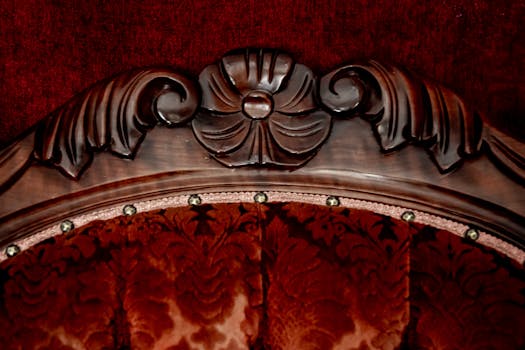
Handmade Furniture: An Investment in Sustainability and Durability
In a world increasingly defined by mass production and fleeting trends, the value of thoughtfully crafted, long-lasting goods is more apparent than ever. Handmade furniture stands out in this landscape—not just as a testament to craftsmanship, but as a meaningful investment in both sustainability and durability. As consumers become more eco-conscious and attuned to quality, the appeal of furniture made by human hands is rapidly gaining ground. This article explores why handmade furniture is more than just a style choice; it’s a commitment to a sustainable future and a durable lifestyle.
The Environmental Impact of Handmade vs. Mass-Produced Furniture
The environmental footprint of furniture manufacturing is significant. According to the Environmental Protection Agency (EPA), over 9 million tons of furniture are discarded every year in the United States alone, much of it coming from cheaply made, mass-produced pieces that don’t last. The fast furniture industry—modeled after "fast fashion"—relies heavily on resource-intensive processes, synthetic materials, and global shipping networks, all of which contribute to pollution and deforestation.
.png)
Handmade furniture, by contrast, typically uses responsibly sourced materials. Many artisans select locally harvested woods or reclaimed materials, minimizing transportation emissions and reducing waste. For example, a 2021 survey from the Sustainable Furnishings Council found that 53% of small-scale furniture makers in North America use FSC-certified or salvaged wood. Additionally, handmade pieces often use fewer toxic chemicals, such as formaldehyde-based adhesives, which are common in mass-produced furniture.
| Aspect | Mass-Produced Furniture | Handmade Furniture |
|---|---|---|
| Average Lifespan | 5-10 years | 25-100+ years |
| Material Source | Global, often unsustainable | Local, often sustainable |
| Annual CO2 Emissions (US, est.) | ~30 million tons$1 | |
| Toxic Chemicals Used | High | Low |
| Repairability | Poor | Excellent |
Durability: The Long-Term Value of Handmade Furniture
One of the most compelling reasons to invest in handmade furniture is its longevity. Mass-produced pieces are often constructed from particleboard or MDF (medium-density fiberboard), which are prone to warping, sagging, and breaking over time. In contrast, handmade furniture is usually built from solid hardwoods—like oak, walnut, maple, or cherry—that can withstand decades or even centuries of use.
According to industry data, the average lifespan of a handmade dining table is about 50 years, compared to just 7 years for a mass-market equivalent. This durability isn’t just about materials; it’s about joinery techniques such as mortise and tenon or dovetail joints, which provide strength without relying on cheap fasteners or glue. These methods, honed over generations, mean that handmade furniture can be repaired and refinished rather than thrown away.
The result? A handmade piece is not only a functional item but also a potential family heirloom. In fact, a 2022 survey by the American Home Furnishings Alliance revealed that 68% of respondents who owned handmade furniture had kept those pieces for over 20 years.
Supporting Local Economies and Artisans
Choosing handmade furniture is also an investment in your local community. Unlike global furniture chains, local artisans typically source materials nearby and employ local workers. This keeps money circulating within the community and helps preserve traditional skills that could otherwise disappear.
The U.S. Bureau of Labor Statistics reported that in 2022, more than 46,000 people were employed in furniture-making and woodworking occupations, with small-scale workshops making up a significant share. Each purchase from these businesses supports not only the craftspeople themselves but also related industries, such as sawmills, hardware suppliers, and finishers.
Moreover, many artisans are deeply invested in sustainable practices. From using solar-powered workshops to choosing non-toxic finishes, their dedication often surpasses that of larger companies bound primarily by cost and efficiency.
Customization and Emotional Value
Mass-produced furniture offers little in the way of personal expression. In contrast, handmade pieces can be customized to fit any space, taste, or functional requirement. Whether it’s a bookshelf designed for a tricky alcove or a dining table built to accommodate a growing family, the possibilities are virtually endless.
Beyond aesthetics, there’s a unique emotional connection that develops when you commission or purchase handmade furniture. Knowing the story behind a piece—who made it, how it was crafted, and the care involved—adds depth and meaning to your living space. In a 2023 Harris Poll, 74% of respondents said they felt a stronger attachment to handmade or custom furniture versus store-bought alternatives.
Personalization also means better fit and function. For instance, a custom chair can be tailored to the ergonomic needs of its user, supporting both comfort and well-being for years to come.
The Financial Perspective: Cost vs. Value
It’s no secret that handmade furniture often comes with a higher upfront price tag than its mass-produced counterparts. However, this initial investment pays dividends over time. When you factor in the longer lifespan, reduced need for replacement, and potential to increase in value, handmade furniture emerges as the more economical choice in the long run.
Here’s a comparison that illustrates the difference:
- A mass-produced coffee table may cost $250 and last 6 years, requiring replacement 3-4 times over two decades ($750-$1,000 total). - A handmade coffee table at $1,200 may last 50 years or more, with minimal maintenance.Additionally, handmade pieces can appreciate in value, especially if crafted by a renowned artisan. Antique handmade furniture often fetches high prices at auctions, demonstrating that these pieces can be considered both functional items and future assets.
Sustainable Materials and Eco-Friendly Practices
Handmade furniture makers are at the forefront of sustainable innovation. Many employ reclaimed, upcycled, or rapidly renewable materials (like bamboo) to minimize environmental impact. For example, the European Commission reported in 2022 that more than 40% of new handmade furniture in some EU countries was created using recycled or reclaimed wood.
Eco-friendly finishes, such as natural oils and water-based lacquers, are also standard among artisans. These not only protect indoor air quality but also extend the life of the furniture. Furthermore, the waste generated by small-scale workshops is often reused or composted, contrasting sharply with the landfill-bound offcuts and sawdust from large factories.
Some makers even offer "take-back" programs, refurbishing or recycling their pieces at the end of their useful lives—a circular approach to furniture design that mirrors the best practices in sustainability.
Conclusion: Investing in a Sustainable, Durable Future
Handmade furniture represents far more than a design preference. It’s a conscious choice to support the planet, foster local economies, and enjoy products that last for generations. The environmental benefits, superior durability, and emotional value of handmade pieces set them apart from mass-produced alternatives. While the initial investment may be higher, the long-term returns—in savings, satisfaction, and sustainability—are profound.
By choosing handmade furniture, you become part of a movement that values quality over quantity and sustainability over disposability. In a rapidly changing world, these are investments worth making.