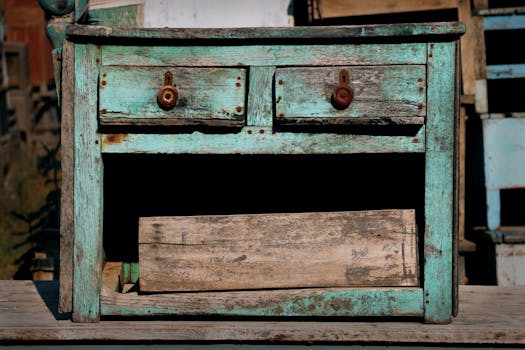
Exploring the Craftsmanship of Handcrafted Furniture and Wood Carving
Woodworking, an age-old craft, skillfully marries functionality with artistic expression, turning ordinary wood into exquisite furniture and intricate carvings. This transformative process is deeply rooted in history yet continually evolves, embracing both traditional methods and contemporary designs to create pieces that are both practical and visually stunning.
Selection of Wood: The Foundation of Craftsmanship
.png)
The journey of creating handcrafted furniture starts with selecting the appropriate wood. Hardwoods such as oak, maple, and walnut are favored for their robustness and the aesthetic finish they offer. Each type of wood has its distinct characteristics—color, grain, and texture—imparting uniqueness to every furniture piece, ensuring no two are exactly alike.
The Art of Shaping and Carving
Craftsmen employ a variety of tools, from saws to chisels, to cut and shape the wood into the envisioned form. This stage demands precision and a deep understanding of the material to maintain the integrity of the wood while sculpting detailed features. Carving adds another layer of complexity, with artisans etching everything from simple patterns to elaborate figures into the wood, showcasing their technical skill and creative vision.
Finishing: Enhancing and Protecting the Wood
The final step in the woodworking process is finishing, which involves sanding the wood to create a smooth surface, then applying stains or paints to enhance its natural beauty or achieve a desired aesthetic. A sealant is often applied to protect the finished piece from environmental wear and tear. This not only elevates the appearance of the wood but also preserves its quality and extends the furniture's lifespan.
The Unique Appeal of Handcrafted Pieces
What sets handcrafted furniture apart is the artisan's personal touch, which infuses each piece with uniqueness and story. In contrast to mass-produced items, these pieces reflect the craftsmanship and creativity of their makers, offering a bespoke charm that is highly prized in today’s market.
Sustainability and Durability
Handcrafted wooden furniture not only adds beauty and function to spaces but also promotes sustainability. Artisans typically source wood from responsibly managed forests and strive to minimize waste, reflecting their commitment to environmental stewardship. Moreover, the meticulous attention to detail ensures that these pieces are durable, often passing through generations as cherished heirlooms.
Therapeutic Benefits of Woodworking
For many artisans, woodworking is not just a craft but a form of expression and connection with nature. This interaction often provides a therapeutic benefit, bringing fulfillment and a profound sense of pride that is palpable in the finished product.
Getting Started with Woodworking
For novices eager to explore this craft, understanding the various types of wood, their properties, and the necessary tools is crucial. Many communities offer woodworking classes and workshops, providing opportunities to learn from seasoned craftsmen. These educational experiences equip beginners with the skills and confidence needed to start their own woodworking projects.
Conclusion
The realm of handcrafted furniture and wood carving is a testament to the enduring appeal of skilled craftsmanship. Each piece not only enhances our living spaces but also embodies a rich cultural heritage and personal artistry. Supporting these artisans ensures the continued vibrancy of woodworking, allowing us to enjoy and appreciate the beauty and integrity of handcrafted wood products in our daily lives.