The Sustainability of Handcrafted Wooden Furniture and Sculptures
In an era where environmental stewardship is more crucial than ever, consumers increasingly prioritize sustainability in their purchasing decisions. Handcrafted wooden furniture and sculptures are particularly appealing for those looking to combine eco-friendliness with aesthetic appeal and uniqueness. This article delves into the sustainable attributes of handcrafted wooden items, highlighting why they are an excellent choice for environmentally conscious consumers.
Renewable and Natural Resources
.png)
Handcrafted wooden furniture and sculptures are predominantly made from wood, a natural and renewable resource. When sourced from sustainably managed forests, wood is an environmentally friendly option. Sustainable forestry practices are designed to prevent deforestation and maintain ecological balance, involving strategies such as replanting trees and managing the habitat to ensure ongoing forest health and productivity.
Low Environmental Impact in Production
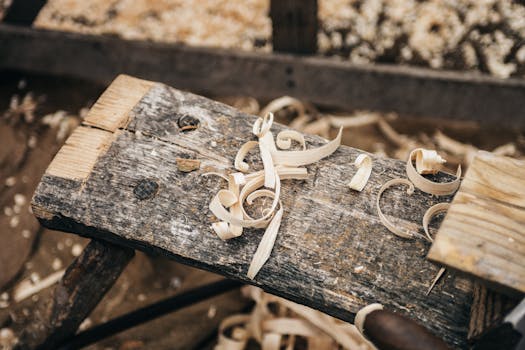
The creation of handcrafted wooden items generally involves lower environmental impacts compared to their mass-produced counterparts. Artisans typically employ traditional techniques that require minimal use of heavy machinery or extensive energy consumption. This not only preserves craftsmanship traditions but also significantly reduces the carbon footprint associated with their production.
Durability and Longevity
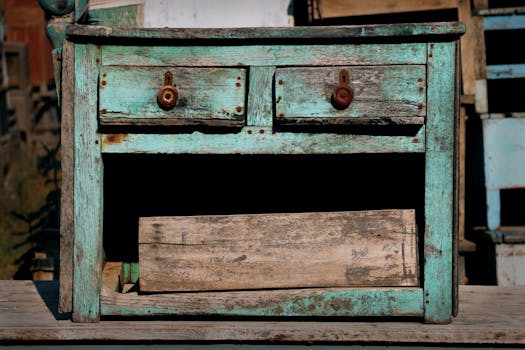
One of the standout features of handcrafted wooden furniture and sculptures is their durability. Crafted with high-quality materials and superior workmanship, these pieces are built to last, often transcending generations. This longevity reduces the need for frequent replacements, thereby minimizing waste and the demand for new resources.
Use of Non-Toxic Finishes
Unlike many mass-produced furniture pieces that may contain harmful chemicals, handcrafted items often feature natural finishes and non-toxic paints. Artisans prioritize safer materials that are better for both the environment and human health, contributing positively to indoor air quality and reducing harmful outputs during both the production and the product lifecycle.
Supporting Local Artisans and Economies
Choosing handcrafted wooden items also supports local artisans and small businesses, which has both economic and environmental benefits. Purchasing locally reduces the carbon emissions associated with long-distance transportation of goods. Furthermore, it helps sustain local economies and preserves traditional craftsmanship skills that are at risk of being lost in today’s rapidly industrializing world.
Aesthetic Value and Reduced Consumption
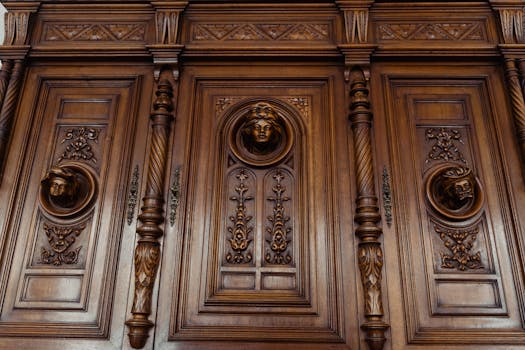
The unique, aesthetic appeal of handcrafted wooden furniture and sculptures makes them not just functional items but also art pieces that can become the centerpiece of a room. Their distinctive beauty often leads owners to retain these items longer, decreasing the turnover and demand for new products. This promotes a more sustainable consumption pattern.
Conclusion
Handcrafted wooden furniture and sculptures represent a sustainable choice in a market flooded with mass-produced alternatives. From the eco-friendly sourcing of materials to the support of local craftsmanship and economies, these items offer benefits that resonate with the growing environmental consciousness among consumers. As more people recognize the importance of sustainable practices, the popularity of handcrafted wooden items is likely to continue rising, fostering a more sustainable future in the furniture and sculpture industries.