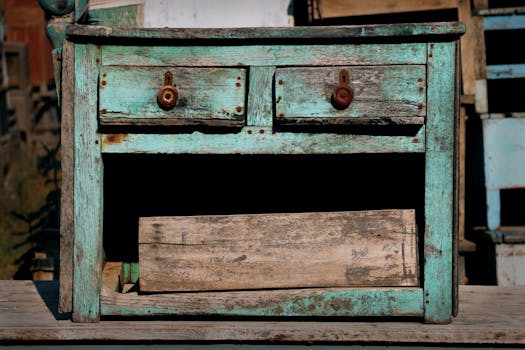
The allure of handcrafted wooden furniture transcends mere aesthetics; it embodies a profound connection to tradition, craftsmanship, and sustainable living. In an era where the ephemeral nature of mass-produced items prevails, these artisan-crafted pieces offer a timeless counterpoint, highlighting the beauty of meticulous craftsmanship and the enduring quality of natural materials.
Uniqueness and Craftsmanship
Handcrafted wooden furniture is distinguished by its individuality. Each piece is a testament to the artisan's skill and dedication, honed over years, and sometimes decades, of practice. The process is inherently personal, involving hands-on techniques that preserve the integrity and story of the wood. The grain, color, and texture of each wood type—be it oak, maple, or walnut—contribute to the furniture’s unique character, ensuring that no two pieces are exactly alike.
.png)
The Art of Carving
Wood carving stands as a cornerstone of bespoke furniture making. This intricate process involves detailed planning and a deep understanding of wood's properties. Carvers must choose the right tools and techniques to bring their artistic visions to life, resulting in furniture that is not only functional but also a piece of art. The motifs and patterns etched into the wood often have cultural or personal significance, adding depth and narrative to the furniture.
Sustainable Practices
Sustainability is integral to the ethos of handcrafted wooden furniture. Artisans frequently source materials from responsibly managed forests and employ eco-friendly practices that minimize waste. This sustainable approach extends beyond the environment, supporting local communities and economies. By choosing handcrafted furniture, consumers contribute to a greener planet and a more equitable market.
The Passion of Artisans
The creation of handcrafted wooden furniture is driven by passion. For artisans, this is more than just a livelihood; it's a way of life. This passion is evident in the meticulous attention to detail and the quality of the finished product. Artisans also foster a closer relationship with their customers, offering a personal touch that enhances the buying experience and enriches the consumer’s connection to the piece.
Cultural and Economic Impact
The resurgence of interest in handcrafted wooden furniture is partly fueled by a growing consumer consciousness about the origins and impact of their purchases. In a digital age, the tactile, real-world charm of wooden furniture crafted by human hands offers a compelling narrative that resonates with those seeking authenticity and sustainability.
Conclusion
Handcrafted wooden furniture is more than a mere household item; it is a celebration of human artistry and an emblem of environmental stewardship. It invites us to reconsider our relationship with the objects we use daily, encouraging a move towards more thoughtful, sustainable consumer habits. For anyone looking to enrich their living spaces, invest in lasting quality, and support traditional crafts, handcrafted wooden furniture presents an excellent choice. In embracing these artisanal creations, one not only acquires a piece of furniture but also becomes part of a larger story of cultural preservation and sustainable living.