Handmade Furniture Trends: The Hottest Styles Shaping Modern Interiors
Handmade furniture has long been prized for its unique character, craftsmanship, and personal touch. But in recent years, the surge in interest toward sustainable living, custom design, and home personalization has propelled handmade furniture into the spotlight—not just as a niche luxury, but as a defining feature of contemporary interiors. As of 2024, the global handmade furniture market is valued at over $52 billion, and is projected to grow by 5.4% annually, according to a recent market report by Grand View Research. Homeowners, designers, and even renters are seeking out handmade pieces that not only stand the test of time but also reflect the latest trends in aesthetics and function.
So, what styles of handmade furniture are currently trendy? Let’s explore the leading looks capturing the imagination of today’s design enthusiasts, from minimalist masterpieces to vibrant cultural fusions.
The Rise of Modern Rustic: A Fresh Take on Tradition
Modern rustic is one of the most sought-after handmade furniture styles in 2024, blending the warmth of natural materials with streamlined shapes and contemporary finishes. This style draws inspiration from the classic rustic look—think weathered woods, exposed joinery, and earthy hues—but updates it for modern living.
.png) Key features include:
- Use of reclaimed wood, especially oak, walnut, and pine, often with visible knots and grain
- Clean lines and minimalist silhouettes, avoiding ornate carvings
- Matte or satin finishes that let the wood’s texture shine
- Mixed materials, such as metal or leather accents
Key features include:
- Use of reclaimed wood, especially oak, walnut, and pine, often with visible knots and grain
- Clean lines and minimalist silhouettes, avoiding ornate carvings
- Matte or satin finishes that let the wood’s texture shine
- Mixed materials, such as metal or leather accents
According to Houzz’s 2023 Home Design Trends Study, searches for “modern rustic handmade furniture” increased by 38% year-over-year. Artisans in both Europe and North America are innovating with eco-friendly stains and salvaged beams, creating dining tables, benches, and shelving that feel both inviting and on-trend.
A great example is a handmade dining table crafted from reclaimed barn wood with slim steel legs, marrying rugged history with a sleek new form. This style works seamlessly in open-plan homes, lofts, and even city apartments seeking a cozy touch.
Sculptural Minimalism: Where Art Meets Function
Minimalism continues to have a powerful influence on interior design, but today’s handmade minimal furniture is far from bland. Instead, sculptural minimalism is in vogue, where each piece is designed as much for its artistic impact as for its utility.
What sets this trend apart: - Emphasis on fluid, organic shapes—think curved edges, asymmetry, and unexpected angles - Monochromatic or natural color palettes, with focus on material and form - Use of high-quality solid wood, stone, or metal, often with a single piece construction - Visible craftsmanship, such as hand-chiseled details or seamless joineryA 2022 survey by the American Society of Interior Designers found that 44% of designers reported increased client interest in minimalist, artisanal furniture with sculptural qualities. Makers like Danish studio Kristina Dam and Japanese-inspired ateliers are popularizing low-profile coffee tables, pedestal stools, and geometric shelving units that double as conversation pieces.
Sculptural minimalist furniture is ideal for modern homes with open spaces, where a single handcrafted chair or table can become the focal point of a room.
Japandi: The Perfect Fusion of Japanese and Scandinavian Design
Japandi—a blend of Japanese and Scandinavian design philosophies—has rapidly become a favorite among those seeking a calm, harmonious interior. This style values simplicity, functionality, and a connection to nature, making it a natural fit for handmade furniture.
Defining characteristics: - Clean, straight lines paired with soft, rounded forms - Natural wood tones, especially ash, beech, and light oak - Low-profile furniture, such as platform beds and bench seating - Wabi-sabi aesthetics: embracing imperfections and hand-finished texturesOn Instagram and Pinterest, hashtags like #japandi and #japandifurniture now have over 2 million combined posts, reflecting its growing popularity. Handmade Japandi pieces often incorporate traditional joinery methods, like mortise-and-tenon, and are typically finished with natural oils for a matte, organic look.
Japandi’s popularity is also driven by its sustainability—many artisans use locally sourced or certified woods, appealing to eco-conscious buyers. Its understated elegance works well in both small apartments and larger homes, offering a sense of serenity and order.
Boho Revival: Handmade Furniture With Color and Character
While neutrals and minimalism dominate some trends, handmade boho furniture is enjoying a revival for those who crave color, pattern, and personality. The modern boho style is less about maximalism and more about curated, meaningful décor with global inspiration.
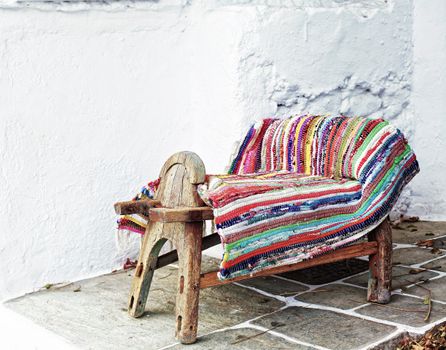
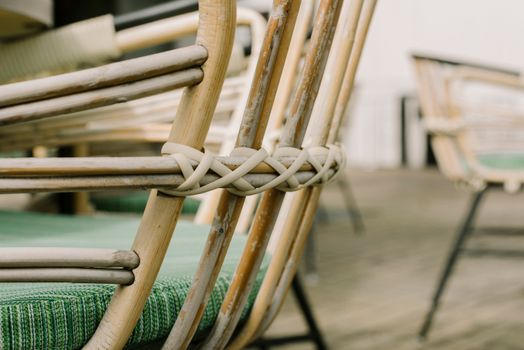
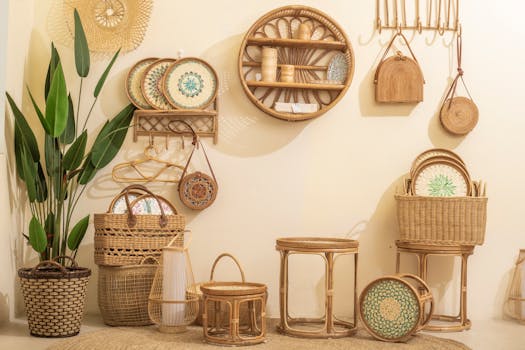
Features to look for: - Use of vibrant woods, rattan, cane, and woven materials - Hand-painted or hand-carved details with geometric or folk motifs - Incorporation of textiles—macramé, kilim, or embroidered fabrics as upholstery or accents - Eclectic silhouettes, mixing vintage with new for a layered lookAccording to Etsy’s 2023 Market Report, sales of handmade boho furniture rose by 29% last year, particularly pieces featuring artisanal details like inlaid bone or brass. Artisans from Morocco, India, and Central America are influencing this trend, with side tables, bed frames, and accent chairs that bring a sense of wanderlust to interiors.
Modern boho handmade furniture is perfect for adding warmth to living rooms, bedrooms, or reading nooks, and pairs beautifully with plants and collected treasures.
Industrial Chic: Raw Materials and Urban Edge
The industrial chic trend, once reserved for lofts and converted warehouses, has become mainstream in handmade furniture design. This style emphasizes raw materials, exposed hardware, and a gritty, urban aesthetic, but with a refined, artisanal touch.
Signature aspects: - Heavy use of steel, iron, and reclaimed wood - Bolt and rivet detailing, visible welds, and rugged construction - Mix of dark finishes (e.g., blackened steel) with warm woods - Modular or multi-functional pieces, such as rolling carts or adjustable shelvingResearch from Furniture Today indicates that industrial-style handmade furniture saw a 22% year-over-year growth in online searches in 2023. Makers are now offering custom industrial desks, shelving, and coffee tables that blend handcrafted woodwork with precision metalwork.
This style is especially popular in urban environments and home offices, where a sturdy, statement-making piece can anchor the space and add a sense of authenticity.
Comparing Top Handmade Furniture Styles in 2024
To help visualize the differences among these trending styles, here’s a comparative overview:
| Style | Main Materials | Key Features | Best For |
|---|---|---|---|
| Modern Rustic | Reclaimed wood, metal | Natural textures, simple lines, eco-friendly finishes | Open-plan living, cozy interiors |
| Sculptural Minimalism | Solid wood, stone, metal | Organic shapes, artistic impact, visible craftsmanship | Modern spaces, statement pieces |
| Japandi | Light woods, natural fibers | Low-profile, clean lines, Wabi-sabi details | Calm, minimalist homes |
| Boho Revival | Rattan, cane, vibrant woods | Hand-carved/painted details, global motifs | Eclectic, colorful spaces |
| Industrial Chic | Steel, iron, reclaimed wood | Raw finishes, exposed hardware, modular design | Urban, home office, lofts |
This table highlights that while all these styles celebrate craftsmanship and uniqueness, they vary widely in material choices, visual impact, and ideal placement in the home.
The Impact of Handmade Furniture Styles on Sustainable Living
One of the strongest drivers behind the popularity of handmade furniture is the global push toward sustainability. According to a 2023 survey by Statista, 67% of consumers reported a willingness to pay more for furniture made from responsibly sourced or recycled materials. All the aforementioned styles—particularly modern rustic and Japandi—emphasize natural materials, longevity, and eco-friendly finishes.
Handmade furniture also supports local economies and traditional skills. For instance, in the European Union, over 116,000 artisans are employed in the handmade furniture sector, preserving centuries-old techniques. By choosing handmade, buyers are not just following a trend—they are making an investment in quality, reducing their environmental impact, and keeping craftsmanship alive.
How to Choose the Right Trendy Handmade Furniture Style for Your Home
With so many styles on offer, selecting the right handmade furniture for your space can seem daunting. Here are a few expert tips:
1. Assess Your Space: Modern rustic and industrial chic styles work well in open, airy rooms, while Japandi and sculptural minimalism are ideal for smaller or more minimalist spaces. 2. Consider Your Lifestyle: If you entertain frequently, opt for sturdy, functional pieces—like an industrial dining table or a rustic bench. For relaxation zones, Japandi or boho styles create a calming, inviting atmosphere. 3. Think Long Term: Handmade furniture is built to last. Choose designs and materials that you will appreciate for years, not just a passing fad. 4. Mix and Match: Don’t be afraid to blend styles. For example, a sculptural minimalist coffee table can pair beautifully with boho accent chairs for an eclectic but harmonious look.Remember, the most important trend is the one that feels true to your taste and supports your values—whether it’s sustainability, artistry, or cultural heritage.
Final Thoughts: Embracing the Future of Handmade Furniture Trends
Handmade furniture’s enduring appeal lies in its ability to adapt to changing tastes while maintaining a strong sense of character and craftsmanship. As we move through 2024, styles like modern rustic, sculptural minimalism, Japandi, boho revival, and industrial chic are shaping the way we think about personalizing our living spaces. Whether you’re looking for a statement piece or a subtle accent, there’s a handmade trend to suit every home.
By investing in these styles, you’re not just following a trend—you’re supporting artisan traditions, reducing your environmental footprint, and creating a home that’s uniquely yours. As the market continues to grow, expect even more innovative fusions and fresh interpretations to emerge, keeping handmade furniture at the heart of beautiful, meaningful interiors.