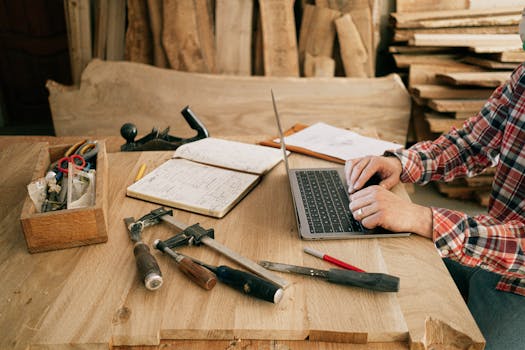
Creating Legacy Pieces: The Process of Handcrafted Furniture Making
The furniture we live with tells a story. While mass-produced pieces may fill a room, handcrafted furniture fills a home with meaning, artistry, and a sense of legacy. For many, investing in a handmade table, chair, or cabinet is more than a design choice—it’s a pledge to quality, sustainability, and a connection to craft traditions that span generations. But what exactly goes into creating these legacy pieces? Let’s take a detailed journey through the process of handcrafted furniture making, uncovering how raw materials are transformed into heirloom treasures.
The Art of Selection: Materials That Last Generations
Every legacy piece begins with the thoughtful selection of materials, a phase that sets handcrafted furniture apart from its mass-produced counterparts. Unlike factory-made items, where engineered woods and cheap composites often rule, artisan furniture makers prioritize solid hardwoods like oak, walnut, cherry, and maple.
According to the American Hardwood Export Council, hardwood furniture can last over 100 years with proper care—far surpassing the 7-15 year average lifespan of mass-market furniture. Craftsmen often source wood locally or from responsibly managed forests, ensuring not only durability but also environmental stewardship. The unique grain patterns, color variations, and textures of each plank are considered, with artisans matching or contrasting woods to enhance the piece’s visual story.
.png)
Beyond wood, artisans may incorporate metals, stone, glass, or textiles, each carefully chosen for compatibility and longevity. For instance, mortise-and-tenon joinery in hardwood, paired with hand-forged iron accents, can reinforce both beauty and strength for centuries.
Designing for the Ages: From Sketches to Scale Models
Handcrafted furniture making is as much about vision as it is about execution. The design process often starts with hand-drawn sketches, which capture the artisan’s intent and the client’s desires. Unlike factory designs—often dictated by cost and speed—these plans are tailored to the function, space, and personality of their future home.
Many makers create scale models or prototypes from inexpensive materials to test dimensions, proportions, and stability. This iterative process, which can take days or weeks, ensures that every curve, joint, and surface will stand the test of time—both aesthetically and structurally.
A 2022 survey by the Furniture Society found that 68% of professional woodworkers spend at least 20 hours on the design phase for a single custom piece. This investment pays off: truly bespoke furniture often becomes a family’s most cherished heirloom, passed down for generations.
Hand Tools and Heart: Techniques That Stand the Test of Time
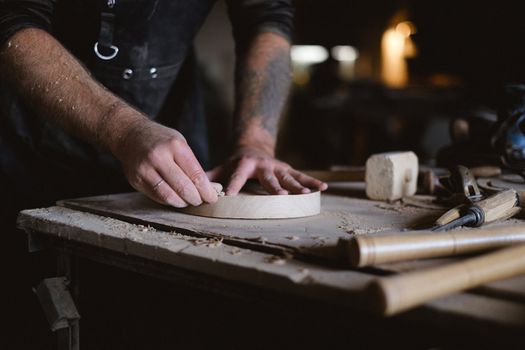
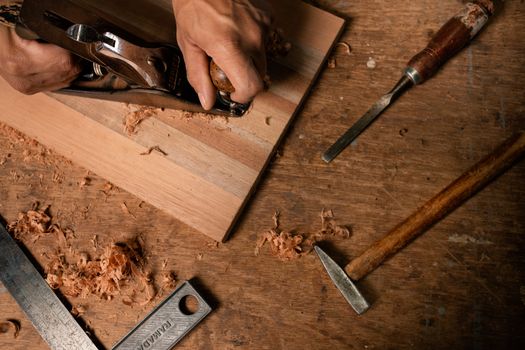
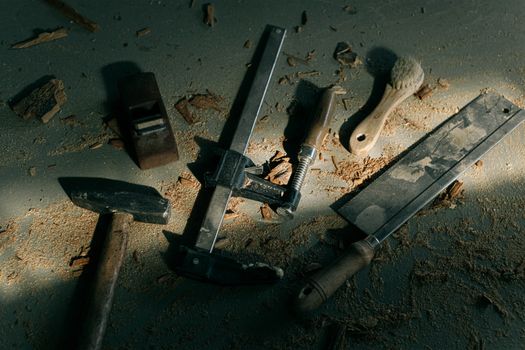
The soul of handcrafted furniture lies in the workshop, where modern tools meet ancient techniques. While power tools may rough-cut lumber for efficiency, the fine details—joinery, shaping, and finishing—are achieved with hand planes, chisels, rasps, and saws. This hands-on approach allows for minute adjustments that machines simply can’t replicate.
One hallmark of legacy furniture is joinery. Artisans use time-honored methods like dovetails, mortise-and-tenon, and dowel joints, which lock pieces together without relying solely on glue or screws. The result: joints that grow tighter with age and use, rather than loosening or failing.
Here’s a comparison of common joinery techniques in handcrafted versus factory furniture:
| Joinery Technique | Handcrafted Furniture | Factory Furniture |
|---|---|---|
| Dovetail Joints | Hand-cut, interlocking, extremely strong, visually beautiful | Often simulated by machine; sometimes replaced with basic butt joints |
| Mortise-and-Tenon | Traditional, precise, offers superior strength and stability | Rarely used due to time/cost constraints; replaced by dowels or metal fasteners |
| Dowel Joints | Hand-drilled and fit, used for specific applications | Mass-drilled, sometimes less precise, can loosen over time |
Precision and patience are vital. A single mis-cut can mean starting over, but this meticulousness is what makes handcrafted furniture exceptional.
Finishing Touches: Enhancing Beauty and Longevity
Once the structure is complete, artisans turn to finishing—a stage that reveals the wood’s natural character and protects it for future generations. Unlike mass-market finishes, which may rely on thick plastic-like coatings, handcrafted pieces typically use hand-rubbed oils, waxes, or natural lacquers.
These finishes are applied in multiple coats, with days of drying and buffing between applications. The result is a surface that breathes, ages gracefully, and can be renewed or repaired without stripping the entire piece. For example, a hand-oiled walnut table will develop a rich patina over decades, telling the story of every touch and celebration it witnesses.
Details matter, too: flush inlays, hand-carved motifs, and custom hardware often complete the piece, ensuring no two items are exactly alike. A 2021 study by the Craft Council UK found that 82% of buyers of handmade furniture cited uniqueness as a top reason for their purchase.
Passing the Torch: Why Handcrafted Pieces Become Family Heirlooms
The true value of handcrafted furniture emerges as it weaves into the fabric of family life. Unlike disposable furnishings, legacy pieces are built to be repaired and restored. Surfaces can be refinished, joints tightened, and even components replaced without losing the soul of the original object.
This durability has cultural resonance: in Japan, the concept of “mottainai” (regret over waste) and in Scandinavia, “hygge” (comfort and connection), both celebrate keeping and cherishing what is well made. A 2023 Pew Research survey found that 57% of families who inherit furniture say it helps them feel connected to previous generations.
From baby cribs to dining tables, these pieces bear witness to milestones, celebrations, and everyday moments. Their stories are retold with every scratch, mark, and repair—each adding a layer to the family’s narrative.
Legacy Furniture in the Modern World: Sustainability and Personal Meaning
In today’s throwaway culture, handcrafted furniture stands as a rebuke to planned obsolescence. By choosing to invest in a legacy piece, buyers reduce landfill waste and promote a slower, more thoughtful way of living. The Environmental Protection Agency (EPA) reports that over 12 million tons of furniture and furnishings are discarded in the U.S. each year, with only a fraction recycled.
Handcrafted furniture, by contrast, is designed to be loved for a lifetime—or several. Many workshops offer restoration and customization services, allowing owners to adapt pieces as tastes and needs change. The process of commissioning or creating a legacy piece fosters a sense of personal connection and pride, echoing the values of craftsmanship, sustainability, and individuality.
Building a Future with the Past: The Enduring Impact of Handcrafted Furniture
Creating legacy pieces through handcrafted furniture making is a testament to human skill, patience, and imagination. From the careful selection of materials to the artistry of joinery and the beauty of natural finishes, each step is a celebration of quality and intention.
In a world where so much is temporary, these heirlooms offer permanence and meaning. They connect us to the past, enrich our daily lives, and provide a tangible inheritance for generations to come. Whether you are commissioning your first artisan table or dreaming of passing down a cherished chair, handcrafted furniture is an investment in memory, beauty, and sustainability—a true legacy for the future.