Selecting furniture for your home is about more than just aesthetics and comfort—it’s also a significant environmental decision. In an era when climate change and resource depletion are front-page news, consumers are increasingly aware of how their choices affect the planet. Among these choices, handmade wood furniture stands out as a sustainable option, offering a lower ecological footprint compared to mass-produced alternatives. This article explores the environmental impact of choosing handmade wood furniture, highlighting the unique benefits, the science behind sustainability, and real-world data that can help you make an informed, earth-friendly decision.
The Lifecycle of Furniture: Handmade vs. Mass-Produced
When considering environmental impact, it’s essential to evaluate the entire lifecycle of a piece of furniture—from raw material sourcing to disposal. Mass-produced furniture, often constructed from engineered woods and synthetic materials, follows a different path than handmade wood pieces.
Mass-produced furniture typically relies on large-scale industrial processes, which consume more energy and produce higher emissions. According to the World Resources Institute, the global furniture industry is responsible for nearly 3% of total industrial carbon dioxide emissions. Much of this comes from high-volume manufacturing, chemical treatments, and extensive transportation networks.
.png)
In contrast, handmade wood furniture is generally crafted in smaller workshops, often using local or sustainably sourced timber. The reduced scale lowers energy consumption substantially. A 2021 study published in the Journal of Cleaner Production found that artisanal furniture production can reduce carbon emissions by up to 60% compared to factory-made alternatives.
Furthermore, handmade furniture is frequently built to last for generations, reducing the cycle of disposal and replacement. In the United States alone, over 12.1 million tons of furniture and furnishings were landfilled in 2018, according to the EPA. Longer-lasting handmade pieces can help reduce this staggering waste.
Sustainable Sourcing: The Foundation of Eco-Friendly Furniture
The environmental impact of wood furniture begins with the wood itself. Sustainable sourcing practices distinguish handmade furniture from its mass-produced counterparts. Artisans are more likely to use wood from certified forests or reclaimed sources, minimizing harm to precious ecosystems.
Certified wood, such as that approved by the Forest Stewardship Council (FSC), ensures that timber is harvested responsibly, with attention to biodiversity, soil health, and reforestation. According to the FSC, forests certified under their program store approximately 1.1 billion tonnes of carbon globally, playing a crucial role in combating climate change.
Additionally, many handmade furniture makers repurpose old wood from barns, factories, or decommissioned structures. This practice not only preserves history but also keeps useful materials out of landfills and reduces demand for new logging. A 2020 report from the Ellen MacArthur Foundation noted that using reclaimed wood can lower greenhouse gas emissions by up to 40% compared to using virgin timber.
By prioritizing sustainable sourcing, handmade furniture reduces deforestation, protects wildlife habitats, and supports the health of global forests—one of our best natural defenses against climate change.
Craftsmanship and Energy Efficiency
Beyond sourcing, the methods used to craft furniture have significant environmental implications. Mass production relies heavily on machinery, often powered by non-renewable energy sources. These operations run on tight schedules, frequently operating 24/7, and contribute to noise, air, and water pollution.
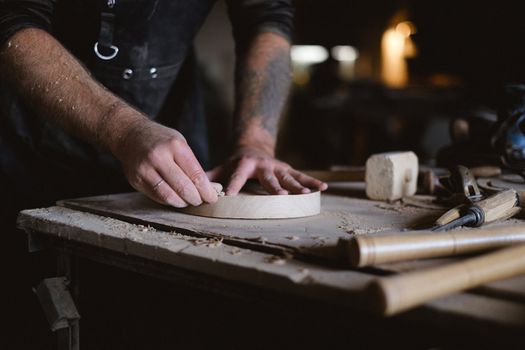
Handmade furniture, on the other hand, is predominantly shaped by skilled artisans using manual tools or small-scale equipment. This approach dramatically reduces energy usage. For example, a standard industrial CNC router used in furniture factories can consume as much as 6,000 kWh of electricity per year, while a small workshop with hand tools uses a fraction of that amount.
Additionally, handmade production tends to generate less waste. Artisans typically cut wood with precision, maximizing the use of each board and repurposing offcuts for smaller items or as fuel. Factories, by comparison, often prioritize speed over efficiency, leading to higher rates of material loss.
The following table illustrates key differences in environmental impact between handmade and mass-produced wood furniture:
| Aspect | Handmade Wood Furniture | Mass-Produced Wood Furniture |
|---|---|---|
| Average Energy Consumption | Up to 60% less per item | High due to industrial machinery |
| Material Waste | Low, with offcut reuse | High, often landfilled |
| Source of Wood | Frequently FSC-certified or reclaimed | Often from non-certified, large-scale logging |
| Product Lifespan | Multiple generations (50+ years) | Often 5-10 years before disposal |
| Transportation Emissions | Lower, often locally sourced | Higher, due to global supply chains |
Reducing Chemical Footprints: Finishes and Adhesives
Another often-overlooked environmental factor is the use of chemicals in furniture production. Mass-produced wood furniture commonly relies on synthetic finishes, adhesives, and preservatives, many of which emit volatile organic compounds (VOCs) that can harm both indoor air quality and the environment.
The U.S. Environmental Protection Agency estimates that VOCs from furniture and building products can be two to five times higher indoors than outdoors. Prolonged exposure is linked to respiratory issues, skin irritation, and other health problems.
Handmade furniture makers frequently opt for natural oils, waxes, or low-VOC finishes. These alternatives not only reduce harmful emissions but also allow the wood to breathe and age gracefully. Water-based adhesives and plant-derived finishes are increasingly popular among artisans who prioritize eco-friendly practices.
By choosing handmade furniture, consumers can limit their exposure to hazardous chemicals and contribute to cleaner air and healthier living spaces.
Transportation and the Carbon Footprint
The location of production and distribution has a notable effect on the carbon footprint of furniture. Mass-produced furniture is often manufactured overseas and shipped long distances to reach consumers. According to the International Energy Agency, freight transport accounts for about 8% of global carbon emissions, with furniture representing a significant portion of bulky goods shipped internationally.
In contrast, handmade wood furniture is typically produced and sold within local or regional markets. Shorter supply chains mean fewer transportation emissions and a reduced overall carbon footprint. Supporting local artisans also strengthens community economies and fosters a closer connection between maker and consumer.
A recent survey from the American Independent Business Alliance found that local businesses recirculate 48% of their revenue locally, compared to just 14% for national chains—a further ecological and social benefit of buying handmade.
The Longevity Advantage: Waste Reduction and Circularity
One of the most compelling environmental arguments for handmade wood furniture is its longevity. Well-crafted pieces are designed to last for decades, if not centuries, and can often be repaired or refinished to extend their lifespan even further. This stands in stark contrast to "fast furniture," which is designed for rapid turnover and contributes heavily to landfill waste.
According to the EPA, furniture waste in the U.S. has more than doubled since 1960, with over 80% of discarded furniture ending up in landfills. Handmade furniture’s durability helps reverse this trend by promoting a circular economy—an economic model that emphasizes reuse, repair, and recycling, rather than single-use consumption.
Consumers who invest in handmade wood furniture not only reduce their personal environmental impact but also support a broader shift toward sustainability in the home furnishings industry.
Final Thoughts on the Environmental Impact of Handmade Wood Furniture
Choosing handmade wood furniture is more than a design decision—it’s a meaningful step toward environmental stewardship. From responsible sourcing and energy-efficient production to reduced chemical use and a longer lifespan, handmade pieces offer a powerful antidote to the waste and pollution associated with mass-produced furniture. While often seen as a luxury, handmade furniture is, in many ways, an investment in a healthier planet and a more sustainable future.
By understanding the lifecycle and impact of your furniture choices, you can make more informed decisions that reflect both your values and your style. Supporting artisans, seeking out sustainably sourced wood, and choosing quality over quantity are all ways to reduce your ecological footprint—one beautiful piece at a time.