Investing in Heirlooms: The Value of Handmade Furniture
The furniture we choose for our homes speaks volumes about our tastes, values, and the legacy we wish to leave behind. In a world awash with mass-produced goods, handmade furniture stands apart as a testament to enduring quality, artistry, and personal history. Investing in heirloom pieces is not just about acquiring beautiful objects—it’s about embracing craftsmanship that can last for generations, increasing in sentimental and even financial value over time. But what truly makes handmade furniture worthy of heirloom status, and why are more families choosing to invest in these pieces? This article explores the lasting value of handmade furniture as heirlooms, examining craftsmanship, appreciation, unique character, and the broader implications of such an investment.
The Enduring Craftsmanship Behind Handmade Furniture
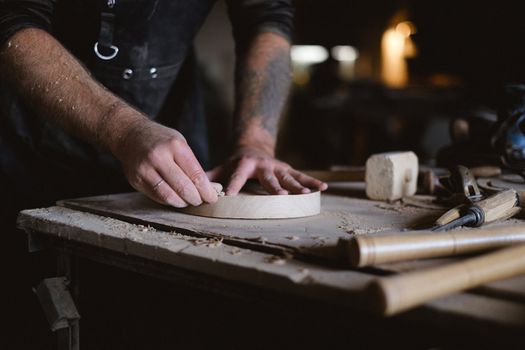
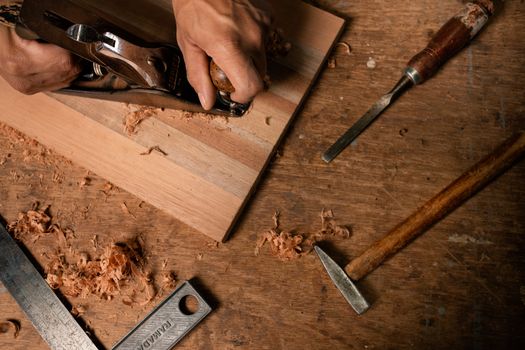
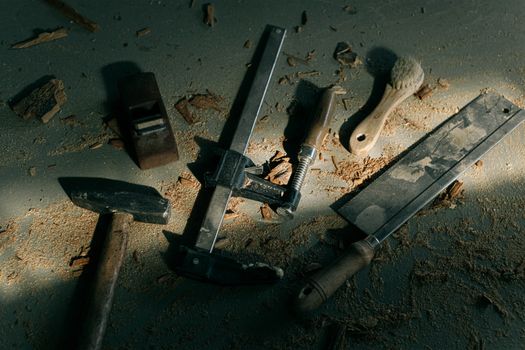
The foundation of any heirloom is its ability to withstand the test of time. Handmade furniture is meticulously crafted with techniques honed over centuries, using joinery methods like dovetail, mortise-and-tenon, or hand-planed surfaces. These time-honored techniques are rarely found in factory-made pieces, where speed and cost-cutting are prioritized over durability.
For example, a study by the American Hardwood Export Council found that handmade wooden furniture can last 50 to 150 years with proper care, compared to an average lifespan of just 7 to 15 years for most mass-produced furniture. This durability stems from both the materials chosen—often solid hardwoods like walnut, cherry, or maple—and the artisan’s attention to detail at every step. Each joint, finish, and carving is treated as a work of art, ensuring that the piece can be repaired, refinished, or restored rather than discarded.
.png)
It’s not uncommon for families to pass down dining tables, armoires, or rocking chairs through three or four generations, each leaving their own marks—subtle wear, a new finish, or even stories etched into the wood itself. This enduring quality is the cornerstone of an heirloom, making handmade furniture a wise long-term investment.
Heirloom Furniture as a Source of Emotional and Cultural Value
While the physical longevity of handmade furniture is remarkable, its emotional and cultural value often far surpasses its material worth. Heirloom pieces become silent witnesses to family milestones—holiday gatherings, childhood memories, and everyday moments that collectively form a family’s history.
A 2022 survey by Furniture Today found that 62% of respondents treasured their family’s handmade furniture more for the memories associated with it than for its monetary value. Each nick, scratch, or patina tells a story, creating a tangible connection between past, present, and future generations.
Moreover, handmade furniture often reflects the culture and traditions of its maker. For example, a Shaker-style chest or a Mission oak sideboard carries with it the philosophy and design heritage of its origin, preserving artisanal skills and cultural identity. In this way, investing in heirloom furniture is also an investment in preserving craftsmanship and heritage that might otherwise be lost in a disposable, fast-furniture world.
Comparing Long-Term Value: Handmade vs. Mass-Produced Furniture
While the initial cost of handmade furniture may be higher than mass-produced options, its long-term value far outweighs the upfront investment. The following table provides a side-by-side comparison of key factors:
| Factor | Handmade Furniture | Mass-Produced Furniture |
|---|---|---|
| Average Lifespan | 50-150 years | 7-15 years |
| Maintenance/Repair | Repairable, refinishable | Often difficult or uneconomical to repair |
| Resale Value | Can appreciate over time | Depreciates rapidly |
| Emotional & Cultural Value | High; stories and memories attached | Low; seen as disposable |
| Cost Over 50 Years | $2,000 - $10,000 (one-time) | $1,000 - $5,000 (multiple replacements) |
According to a 2023 report by Statista, the global furniture market is expected to reach $750 billion by 2027, but nearly 10 million tons of furniture are discarded annually in the U.S. alone. This staggering waste is largely attributed to short-lived, mass-produced pieces, underlining the sustainability and value retention of investing in handmade heirlooms.
Unique Character and Personalization: What Sets Heirlooms Apart
Every handmade piece is unique, imbued with the personality of both the maker and the person who commissioned it. Unlike factory furniture, which is produced in identical batches, handmade heirlooms can be customized to match your home’s style, your family’s needs, and even your personal story.
For example, many artisans offer bespoke options—from wood species and finishes to hand-carved initials or custom inlays. Some families commission pieces to commemorate special occasions like weddings or anniversaries, ensuring the furniture becomes a living part of their family narrative.
The individuality of handmade furniture also means that no two pieces age in the same way. The patina, grain, and even small imperfections become part of the piece’s charm, making it irreplaceable. This level of personalization is a stark contrast to the anonymity of mass-produced items, which are often discarded when trends change.
Financial Appreciation and Legacy Building
While emotional and cultural value are primary drivers for investing in heirloom furniture, there is also a financial case to be made. Well-crafted handmade furniture, especially from renowned artisans or in classic styles, can appreciate in value over time.
Antique and vintage furniture markets have shown consistent demand for handcrafted pieces. According to LiveAuctioneers, certain handmade American furniture from the 18th and 19th centuries has seen auction prices increase by more than 30% in the last decade. Even contemporary pieces by recognized craftspeople can command significant premiums on the resale market, especially if accompanied by provenance or documentation.
Moreover, passing down heirlooms can help families build a legacy. Unlike financial assets, which can be divided or diminished, a cherished piece of furniture can remain whole, serving as a focal point for family gatherings and a reminder of shared history. This legacy-building aspect is unique to tangible objects like handmade furniture, offering both present enjoyment and future value.
Protecting and Caring for Your Heirloom Investment
Investing in handmade furniture also means investing in its care. While these pieces are built to last, proper maintenance is essential to ensure they remain beautiful and functional for generations.
Key steps include: - Regular dusting with a soft, dry cloth to prevent buildup. - Avoiding direct sunlight, which can cause fading and warping. - Using coasters, pads, and mats to prevent water rings or scratches. - Applying high-quality furniture wax or oil every 6-12 months, depending on the finish. - Seeking professional restoration for significant repairs, rather than DIY fixes.Insurance is another important consideration. Homeowners can add valuable heirlooms to their insurance policies; the Insurance Information Institute suggests keeping detailed records, photographs, and appraisals for each piece. This not only protects your investment but also ensures its story is documented for future generations.
Heirloom Furniture: A Sustainable and Meaningful Investment
Choosing to invest in handmade furniture as heirlooms is about more than aesthetics or function—it’s a conscious decision to value longevity, tradition, and sustainability. In an era where disposable culture dominates, heirloom pieces stand as quiet rebels, offering a counterpoint rooted in care, respect, and continuity.
By prioritizing quality over quantity, families create a legacy that endures, both materially and emotionally. Whether it’s a hand-carved bed frame, a meticulously joined dining table, or a simple yet elegant rocking chair, these pieces carry more than just weight—they carry meaning, stories, and the promise of being cherished for generations to come.