Creating an inviting and harmonious interior isn’t just about selecting the perfect handcrafted furniture—it’s also about showcasing it in the best possible light. The right lighting can accentuate the unique textures, grains, and craftsmanship of each piece, turning furniture into functional art. Yet, many homeowners underestimate how critical the choice of lighting is when it comes to bringing out the best in their bespoke interiors. In this guide, we’ll explore expert-backed tips and strategies for selecting the ideal lighting to complement and enhance handcrafted furniture, ensuring your interior radiates warmth, style, and sophistication.
The Impact of Lighting on Handcrafted Furniture
Lighting does more than simply illuminate a room—it shapes the perception of color, texture, and space. According to a 2023 survey by the American Lighting Association, 78% of interior designers say that proper lighting is essential for highlighting the unique qualities of handmade furniture. The right lighting can emphasize striking wood grains, intricate joinery, or delicate inlays, while poor lighting can cast harsh shadows or wash out subtle details.
For example, a walnut table with complex marquetry will look dramatically different under cool white LEDs versus warm incandescent bulbs. The latter can bring out the wood’s rich, reddish undertones, making the craftsmanship pop. Additionally, lighting affects mood; soft, diffuse light is often associated with relaxation, making it ideal for living rooms and bedrooms, where handcrafted furniture tends to play a central role.
.png)
Types of Lighting and Their Effects on Handcrafted Pieces
To make informed decisions, it’s vital to understand the three primary types of lighting and how they interact with artisanal furniture:
1. Ambient Lighting: This is the general illumination in a room, usually provided by ceiling fixtures, chandeliers, or recessed lighting. While it sets the overall brightness, ambient light can sometimes dilute the focus on individual pieces. 2. Task Lighting: Used for specific activities like reading or dining, task lighting includes desk lamps, under-cabinet lighting, and pendant lights. When thoughtfully placed, task lights can draw attention to the details in handcrafted desks, dining tables, or sideboards. 3. Accent Lighting: This is the designer’s secret weapon for handcrafted furniture. Accent lights such as wall sconces, picture lights, and spotlights are used to highlight particular objects or areas. For instance, a directional spotlight can be aimed at a custom-carved chair, casting shadows that reveal the depth and artistry of the carving.Here’s a comparative overview of how these lighting types interact with handcrafted furniture:
| Lighting Type | Purpose | Best For | Effect on Furniture |
|---|---|---|---|
| Ambient | General room illumination | Overall visibility | Even lighting, less focus on details |
| Task | Focused, activity-specific | Desks, dining tables | Highlights surfaces, textures |
| Accent | Highlight specific features | Artisan pieces, wall art | Emphasizes craftsmanship, creates drama |
Choosing the Right Color Temperature for Artisanal Interiors
Color temperature, measured in Kelvins (K), significantly influences the way handcrafted furniture appears. Lower color temperatures (2700K–3000K) produce warm, yellowish hues reminiscent of candlelight or classic incandescent bulbs. These are ideal for wood furniture, as they emphasize natural grains and create a cozy, inviting environment.
Mid-range temperatures (3500K–4100K) are often found in kitchens and workspaces, providing a more neutral light that balances warmth and clarity. Higher temperatures (5000K–6500K), which produce a crisp, bluish-white light, can make interiors feel modern but may render wood tones flat or cold.
A 2022 study by the Illuminating Engineering Society found that 84% of homeowners preferred warm or neutral lighting in rooms with prominent handcrafted wooden furniture, as it enhances richness and depth. For example, a cherry wood cabinet will appear more vibrant and luxurious under 3000K lighting compared to a stark 6000K.
Layering Light for Depth and Dimension
The most captivating interiors use a layered lighting approach. This means combining ambient, task, and accent lighting to create depth, visual interest, and flexibility. For handcrafted furniture, layering allows you to tailor the mood and focus as needed.
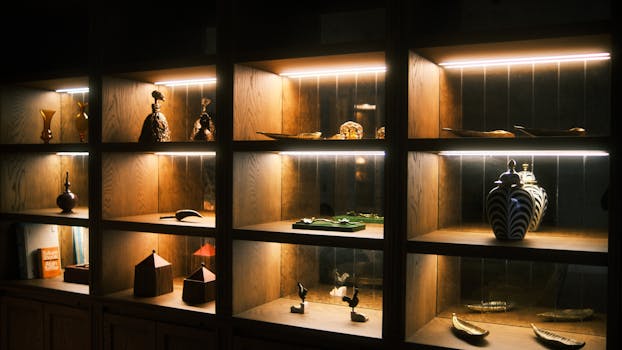
Start with a dimmable ambient light to set the base level of illumination. Next, add task lighting where activities occur—such as pendant lights over a handmade dining table or a reading lamp beside a custom chair. Finally, introduce accent lighting to spotlight your most prized pieces: a wall-mounted directional light can make a hand-carved headboard the room’s focal point, while under-cabinet LEDs can bring out the beauty of a bespoke sideboard.
Layering is especially important in open-concept spaces, where zones need to be defined without walls. By using a combination of downlights, sconces, and floor lamps, you can create pools of light that highlight each handcrafted item and contribute to an overall sense of harmony.
Positioning and Adjustability: Getting the Most from Your Lighting
Lighting placement is as crucial as the fixtures themselves. Poorly positioned lights can cast unflattering shadows or glare, while well-placed lights can transform a room’s atmosphere and draw out the artistry in your furniture.
For wall-mounted pieces, use adjustable spotlights or picture lights angled at 30 degrees to minimize glare and maximize texture. For freestanding furniture, consider floor lamps with adjustable heads or table lamps with directional shades. Swivel-arm sconces are another versatile option, allowing you to direct light precisely where it’s needed.
Dimmers are invaluable for adjusting brightness according to the time of day or mood. They also help prevent over-illumination, which can flatten the visual impact of handcrafted items. As a rule of thumb, use brighter task and accent lights for daytime and dial down to warmer, softer lighting at night for a more intimate ambiance.
Matching Lighting Fixtures to Handcrafted Furniture Styles
The style of your lighting should complement, not compete with, your handcrafted pieces. For example, a hand-turned oak dining table pairs beautifully with artisanal pendant lights featuring natural materials like linen or blown glass. On the other hand, sleek, contemporary light fixtures can create a bold contrast with rustic or traditional furniture, highlighting the uniqueness of each.
Here are a few style-matching tips: - For mid-century modern handcrafted pieces, opt for minimalist fixtures in brass, matte black, or opal glass. - Rustic or farmhouse-style furniture shines under wrought iron chandeliers or lanterns with Edison bulbs. - Scandinavian-inspired designs benefit from simple, warm wood fixtures with soft, diffused light.Choosing the right fixture also means considering scale—oversized lights can overwhelm delicate furniture, while tiny fixtures might get lost among larger statement pieces. As a general guideline, the diameter of a lighting fixture above a dining table should be about one-half to two-thirds the width of the table for visual balance.
Final Thoughts: Elevating Handcrafted Furniture with Thoughtful Lighting
Handcrafted furniture deserves more than a place in your home—it deserves to be celebrated. Lighting is a powerful tool that can elevate the beauty, quality, and presence of each artisanal piece, making your interiors truly one-of-a-kind. By understanding the effects of different lighting types, choosing the right color temperatures, layering light, positioning fixtures carefully, and matching styles, you’ll ensure that your handcrafted furniture is always shown in its best light.
Whether you’re illuminating a single heirloom chair or an entire room of bespoke creations, thoughtful lighting choices will help your furniture tell its unique story for years to come.