The Timeless Appeal of Handcrafted Furniture
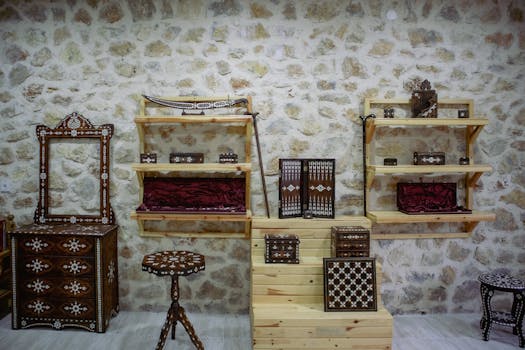
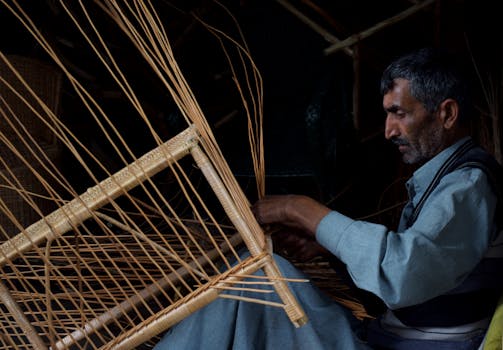
Handcrafted furniture represents more than just utility; it encapsulates a tradition of craftsmanship that has been passed down through generations. Each piece tells a story, woven from the hands of a skilled artisan who combines timeless techniques with personal creative vision. This blog delves into the world of handcrafted furniture making, exploring each step from material selection to the final finishing touches that distinguish these pieces as true works of art.
Selecting Premium Materials
.png)
The journey of creating a legacy piece of furniture begins with the selection of quality materials. Wood is the heart of handcrafted furniture, and choosing the right type is crucial for both aesthetics and durability. Hardwoods like oak, maple, and walnut are favored for their robustness and beautiful grain patterns, but the choice of wood extends beyond just appearance.
Sustainability plays a key role in material selection, with artisans increasingly prioritizing wood from local sources or sustainably managed forests. This practice not only minimizes environmental impact but also supports local industries, adding an extra layer of value to the finished piece.
Artful Design and Planning
Designing a piece of furniture is where functionality meets creativity. Artisans begin with sketches and detailed drawings, considering both the client’s needs and the inherent possibilities of the wood. The design phase is an opportunity to blend traditional furniture styles with unique, personalized elements that reflect the future owner’s taste and lifestyle.
Whether drawing on classic influences or pioneering new aesthetics, the true artistry lies in the details—innovative joinery, custom inlays, and thoughtful proportions that elevate the piece from mere furniture to a statement of craftsmanship.
Mastery in Joinery
The strength of handcrafted furniture lies in its joinery. Expert artisans employ time-honored techniques like dovetail joints or mortise and tenon to assemble pieces in ways that showcase both their skill and the wood’s natural beauty. These methods ensure robust joints that stand the test of time, making each piece not only beautiful but also durable.
The choice of joinery often depends on the piece’s intended use and desired aesthetic, with each joint type offering different benefits in terms of design and functionality.
Shaping and Carving: Bringing Designs to Life
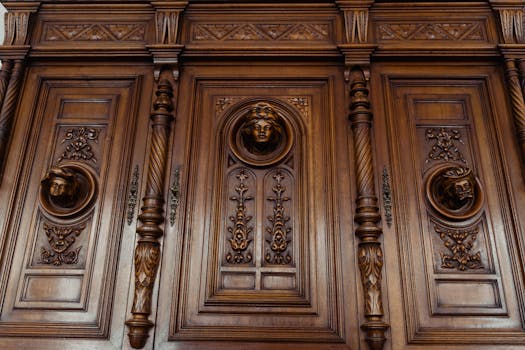
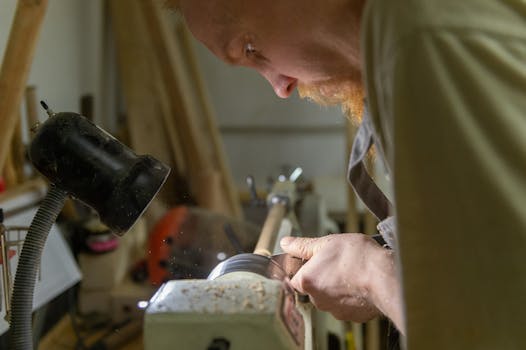
With the structural elements in place, artisans move on to shaping and carving the wood. This process transforms raw materials into the graceful contours and intricate details that define the piece. Skilled woodworkers use a variety of tools to sculpt, round off edges, and carve designs that enhance the natural patterns of the wood, ensuring every angle and curve contributes to a harmonious whole.
This stage demands a deep understanding of wood behavior, as well as an artistic touch, to achieve the envisioned result without compromising the piece’s structural integrity.
The Finishing Touch
The final step in the furniture-making process is the application of finishes that protect and enhance the wood’s natural beauty. Sanding, staining, painting, and sealing are all critical to ensuring the longevity and aesthetic appeal of the piece. The right finish will not only protect the furniture from everyday wear and tear but also bring out the richness of the wood, highlighting distinctive grain patterns and colors.
Artisans may choose from a variety of finishes, from natural oils and varnishes that preserve the wood’s organic look to vibrant paints that add personality and flair. Each choice is tailored to the piece’s style and the functional needs it serves.
Conclusion: More Than Just Furniture
Handcrafted furniture transcends its basic function to become a lasting legacy of artisanal skill and artistic vision. Each piece not only enhances the living spaces it inhabits but also contributes to the preservation of traditional craftsmanship. By choosing handcrafted furniture, customers invest in unique, enduring designs that celebrate the personal connection between artisan and artifact.
Embracing handcrafted furniture is not merely about acquiring possessions—it is about enriching homes and lives with pieces that carry deep personal and cultural significance, destined to be cherished for generations to come.