Handcrafted furniture stands at the intersection of traditional craftsmanship and contemporary design, serving not only as functional items but also as artistic statements that enrich our living spaces. This unique blend of old and new offers a compelling alternative to mass-produced furniture by incorporating the rich heritage of artisan skills with the sleek, innovative trends of modern design.
The Craftsmanship Behind Handcrafted Furniture
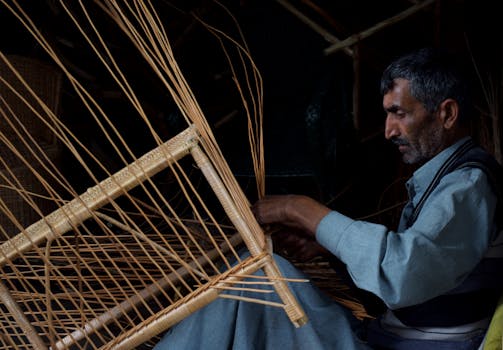
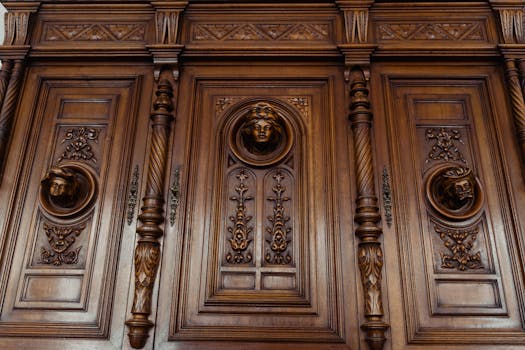
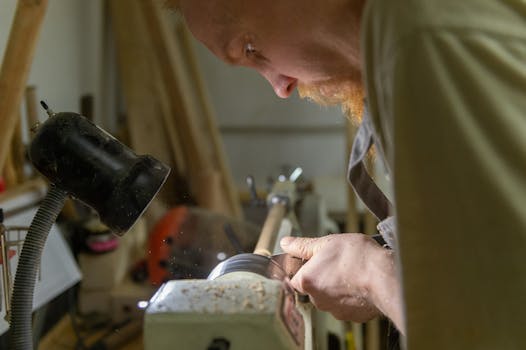
Each piece of handcrafted furniture is the result of meticulous craftsmanship performed by skilled artisans who often use techniques that have been passed down for generations. Unlike mass-produced furniture, where the focus is on speed and volume, handcrafted items are created with a focus on quality and durability. This process ensures that each piece is unique, with subtle differences that add character and uniqueness.
.png)
Modern Designs with Traditional Techniques
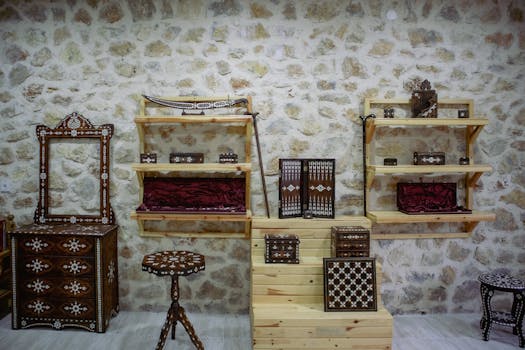
Artisans today skillfully combine historical practices with modern designs. This fusion results in furniture that complements today’s diverse interior aesthetics and meets the practical needs of contemporary living. For example, a traditionally crafted wooden table might incorporate modernist design features, making it suitable for both rustic and contemporary urban interiors.
Sustainable Practices
Sustainability is a core element of handcrafted furniture. Artisans typically use locally sourced materials, reducing the overall environmental impact. The choice of materials like hardwoods such as teak, cherry, and mahogany not only ensures sustainability but also durability. Natural oils and waxes are often used to finish the pieces, avoiding chemicals that harm the environment.
Customization Opportunities
One of the most appealing aspects of handcrafted furniture is the ability to customize. Tailored to meet specific preferences and spaces, artisans can adjust dimensions, choose materials, and even alter designs to ensure that each piece perfectly fits the buyer’s environment and style.
Economic and Cultural Impact
Purchasing handcrafted furniture supports local artisans and economies and helps keep traditional crafts alive. Each purchase contributes to sustaining the skills of craftsmen and women, ensuring that their invaluable knowledge is passed on to future generations.
Long-Term Value
Although initially more costly, handcrafted furniture is an investment. The superior quality of materials and craftsmanship ensures longevity, often making these pieces family heirlooms. Moreover, handcrafted furniture can appreciate in value over time, unlike mass-produced items which tend to depreciate.
Integrating Handcrafted Furniture into Modern Spaces
For those looking to integrate handcrafted pieces into their homes, it’s essential to consider both the function and the aesthetic appeal of the furniture. Consulting with designers and craftsmen can help tailor choices that fit personal tastes and interior themes perfectly. Visiting studios or workshops can also provide insight into the craftsmanship process and help buyers make informed decisions.
Conclusion
Handcrafted furniture is more than just furnishings; it’s a link to the past, a reflection of artisanal integrity, and a step toward sustainable living. By choosing handcrafted pieces, individuals not only enhance their living spaces with unique, durable items but also contribute to the preservation of traditional crafts and support local economies. Whether it's a centerpiece for the living room or a bespoke piece for the bedroom, handcrafted furniture offers a timeless appeal that transcends trends, making every piece a treasure for generations.