Handmade furniture stands out for its artistry, durability, and unique character. Behind every beautifully crafted table, chair, or cabinet is a blend of traditional craftsmanship and innovative techniques. If you’ve admired the quality of handmade furniture and wondered about the skills involved, this article reveals the most common techniques artisans use to transform raw materials into functional works of art. Whether you're an aspiring woodworker, a curious enthusiast, or a shopper who values craftsmanship, understanding these methods will deepen your appreciation for handmade furniture and help you make informed choices.
Understanding the Craft: Why Handmade Furniture Techniques Matter
Handmade furniture isn’t just about aesthetics—it’s about technique. According to the American Home Furnishings Alliance, nearly 20% of furniture buyers in 2023 reported being willing to pay more for pieces crafted with traditional methods. This reflects not only a demand for quality but also a growing appreciation for the skills involved.
The techniques artisans use directly impact a piece’s: - Structural integrity - Longevity - Finish and visual appeal - CustomizabilityFrom ancient joinery to modern finishing, each step in the handmade process is a testament to human ingenuity and patience. Let’s explore the most common techniques that define this craft.
.png)
Joinery: The Backbone of Handmade Furniture
Joinery refers to the methods used to connect two or more pieces of wood. Unlike mass-produced furniture, which often relies on metal fasteners or adhesives, handmade pieces frequently use traditional joinery for both strength and beauty.
Some of the most respected joinery techniques include:
- Mortise and Tenon: Used in furniture for thousands of years, this method involves carving a cavity (mortise) into one piece and a corresponding projection (tenon) on another. The two fit together precisely, often secured with wood glue or a wooden peg. Mortise and tenon joints can withstand decades of use, making them ideal for tables and chairs. - Dovetail: Recognized by their interlocking fan-shaped pins and tails, dovetail joints are a hallmark of quality in drawers and cabinets. They’re celebrated for their incredible tensile strength and resistance to being pulled apart. - Finger Joint (Box Joint): Similar to dovetails but with rectangular ‘fingers’, this joinery is strong and relatively straightforward, often used for box-shaped furniture. - Doweling: This involves inserting wooden dowels into aligned holes in adjoining pieces, offering a simple but effective way to reinforce joints.Master joiners often spend years perfecting these techniques. For example, a single hand-cut dovetail can take up to 20 minutes to execute perfectly, while a machine-made version takes less than a minute. The difference in quality and fit, however, is immediately noticeable.
Surface Preparation and Finishing: Bringing Out the Beauty
Once the structure is complete, artisans turn their attention to preparing and finishing the surface. This step is crucial—not only for aesthetics but also for protecting the wood from moisture, pests, and wear.
Key techniques include:
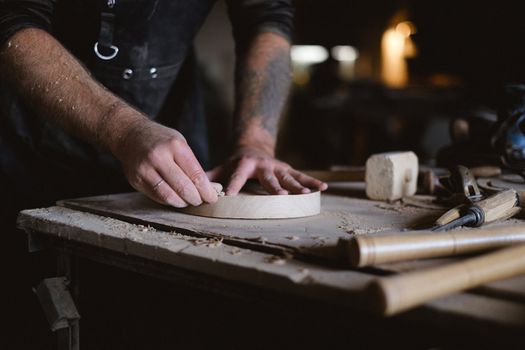
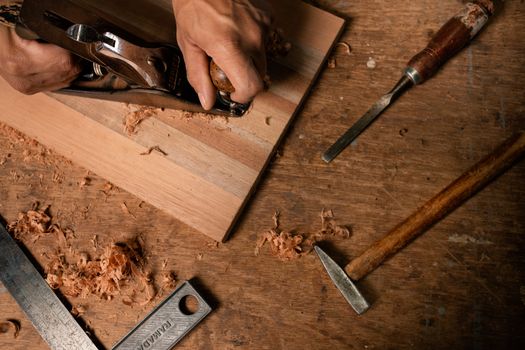
- Hand Planing: Using a hand plane, craftsmen smooth and level surfaces, revealing the natural grain. This technique can create a finish that’s both tactile and visually rich. - Sanding by Hand: While machines can speed up the process, many artisans prefer hand sanding, especially for intricate details. This allows for greater control and a finer finish, essential for heirloom pieces. - Staining and Oiling: Applying stains, oils, or waxes enhances the wood’s color, depth, and character. For example, Danish oil penetrates deeply, hardening the fibers and offering water resistance, while shellac provides a high-gloss, traditional look. - French Polishing: An age-old technique, French polishing uses shellac applied with a rubbing pad in multiple thin layers. It produces a deep, reflective shine often seen on antique furniture but requires significant skill and patience.According to a 2022 survey by Woodworking Network, 63% of custom furniture makers consider finishing to be the most time-intensive part of their process, sometimes accounting for up to 40% of total build time.
Shaping and Carving: Adding Artistic Flair
Handmade furniture is often distinguished by its sculptural elements—features that machines can’t replicate with the same nuance or individuality. Shaping and carving techniques allow artisans to infuse pieces with personality and detail.
- Hand Carving: Using chisels, gouges, and knives, craftsmen create decorative motifs, from floral patterns to elaborate scrolls. Each stroke is unique, ensuring no two pieces are identical. - Bent Lamination: Thin layers of wood are glued together and clamped into a curved form, resulting in strong, graceful shapes. This method is often used for chair backs and armrests. - Steam Bending: Wood is softened with steam, making it pliable enough to bend around molds. Once cooled, the wood retains its new shape without losing strength. Notably, Thonet’s iconic No. 14 chair, produced since 1859, uses steam-bent wood—a technique still prized today. - Turning: Using a lathe, artisans spin wood while shaping it with handheld tools. This technique creates symmetrical elements like table legs, spindles, and knobs.According to the UK’s Furniture Makers’ Company, hand carving can increase a piece’s value by as much as 30%, reflecting the time and skill required.
Assembly and Joinery Techniques: A Comparison Table
To help you better understand the nuances of these methods, here’s a comparison of common joinery techniques found in handmade furniture:
| Joinery Technique | Strength | Common Uses | Estimated Lifespan | Skill Required |
|---|---|---|---|---|
| Mortise & Tenon | Very High | Tables, Chairs, Frames | 50+ years | Advanced |
| Dovetail | High | Drawers, Cabinets | 30-100 years | Advanced |
| Finger Joint (Box Joint) | Moderate-High | Boxes, Carcases | 20-40 years | Intermediate |
| Doweling | Moderate | Chairs, Shelves | 10-30 years | Beginner-Intermediate |
| Butt Joint (Reinforced) | Low-Moderate | Simple Frames | 5-15 years | Beginner |
This table highlights how the choice of technique impacts not just appearance, but also durability and required skill level.
Modern Innovations in Handmade Furniture Techniques
While tradition remains at the heart of handmade furniture, many artisans blend old-world methods with modern innovations to improve efficiency and creativity.
- CNC Assistance: Some workshops use computer numerical control (CNC) routers for preliminary cuts, then finish by hand. This approach maintains precision while allowing customization and hand-finished quality. - Eco-Friendly Materials: Increasingly, artisans use reclaimed wood and low-VOC finishes. According to Statista, 41% of US consumers in 2023 preferred furniture made from sustainable materials, pushing makers to adapt their processes. - Hybrid Joinery: Combining traditional joints with modern adhesives or mechanical fasteners can provide added strength without sacrificing craftsmanship. For instance, using both dowels and specialized glues can double the holding power, according to adhesive manufacturer Titebond. - Modular Design: Modern handmade furniture often features modular components that can be disassembled or reconfigured, appealing to urban dwellers and eco-conscious buyers.These innovations ensure that handmade furniture remains relevant, blending time-honored skill with contemporary needs and tastes.
Final Thoughts on Handmade Furniture Techniques
Handmade furniture is more than just functional—it’s a celebration of skill, creativity, and tradition. Techniques like mortise and tenon joinery, hand carving, and French polishing have been refined over centuries, ensuring pieces that are not only beautiful but built to last.
Whether you’re investing in an heirloom, learning woodworking, or simply appreciating the craft, understanding these techniques will help you recognize quality and value. As the world grows ever more automated, the art of handmade furniture stands as a powerful reminder of the importance of patience, precision, and human touch.