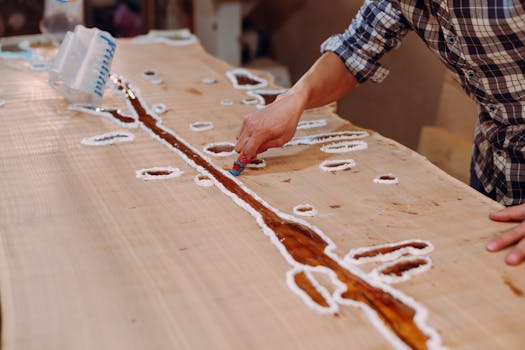
The resurgence of traditional craftsmanship in the furniture making industry highlights a profound shift towards sustainability, quality, and the preservation of time-honored skills. This return to classic techniques such as joinery, carving, and inlay is driven by a consumer base that values eco-friendly, durable, and uniquely personal products in their living spaces.
Sustainability and Consumer Demand
One of the most compelling reasons for the comeback of traditional furniture making techniques is the increasing demand for sustainable and environmentally friendly products. Today's eco-conscious consumers prioritize items that are built to last, reducing the need for frequent replacements and consequently, waste. Traditional methods often utilize locally sourced, natural materials and employ non-toxic finishes, which are far less harmful to the environment compared to the chemicals used in mass production.
.png)
Additionally, there is a renewed appreciation for the authenticity and craftsmanship that come with handcrafted furniture. In an era where generic, mass-produced items are ubiquitous, custom and handcrafted pieces offer a unique aesthetic that reflects individual tastes and stories. This aspect of traditional furniture not only appeals to those looking for distinctiveness but also those who wish to connect with the history and culture embedded in artisanal techniques.
Modern Adaptations of Age-Old Methods
Contemporary furniture designers are skillfully blending traditional craftsmanship with modern design elements, creating pieces that respect historical techniques while fitting seamlessly into modern living spaces. For instance, age-old Japanese joinery techniques, which eschew the use of nails and glue, are being applied to create sleek, minimalist furniture that appeals to contemporary sensibilities about style and functionality.
Wood carving, a classic form of decorative art, is being reinterpreted in modern furniture to incorporate motifs and designs that resonate with current trends and preferences. This fusion of old and new not only enhances the visual appeal of the pieces but also ensures they serve practical purposes in today's homes and workspaces.
Educational Impact and Future Outlook
The revival of traditional methods is also playing a crucial role in educating future generations of craftsmen. Many artisans are actively involved in sharing their skills through workshops and apprenticeships, ensuring that these valuable techniques continue to thrive and evolve. This educational endeavor not only preserves the craft but also fosters a community of makers dedicated to the principles of quality and sustainability.
Looking forward, the integration of traditional techniques in furniture making is set to expand further. As global awareness of environmental issues grows, so does the preference for products that are not only environmentally friendly but also socially responsible. The future of handcrafted furniture looks promising, with potential for increased innovation in how traditional skills are adapted for contemporary use.
In essence, the resurgence of traditional craftsmanship in furniture making is a testament to the enduring value of artisanal skills in a modern context. It connects us to our past, enriches our present, and contributes to a more sustainable and thoughtful consumption pattern for the future. As this trend continues to develop, it will be fascinating to see how it shapes the aesthetics and ethics of the furniture industry worldwide.