Choosing the right handmade furniture manufacturer is a crucial decision that impacts not only the look and feel of your home but also the longevity, functionality, and value of your investment. With the growing popularity of artisanal craftsmanship and bespoke design, the market is full of options, making it both exciting and daunting to find the perfect fit. Whether you are furnishing your entire home or seeking a unique statement piece, understanding what sets manufacturers apart is essential. This guide will walk you through the key considerations for selecting the right handmade furniture manufacturer, ensuring you make an informed, confident choice that aligns with your vision and values.
The Importance of Manufacturer Reputation and Experience
When evaluating handmade furniture manufacturers, reputation and experience should be at the top of your checklist. A well-established manufacturer brings not only years of craftsmanship but also a track record of customer satisfaction and reliability.
According to a 2023 survey by Statista, 62% of furniture buyers consider brand reputation as a primary factor in their purchasing decisions. Experienced manufacturers typically have a portfolio of completed projects, testimonials, and industry recognition that can be easily reviewed. Look for evidence of participation in trade shows, design awards, or features in reputable design publications.
.png) Ask potential manufacturers about their history:
- How long have they been in business?
- What are their areas of specialization?
- Can they provide references or case studies of previous work?
Ask potential manufacturers about their history:
- How long have they been in business?
- What are their areas of specialization?
- Can they provide references or case studies of previous work?
An established manufacturer is more likely to have refined processes, skilled artisans, and a commitment to quality that meets high standards. For example, a manufacturer with over 20 years in the industry is likely to have overcome various production challenges and honed their craft to deliver consistently high-quality pieces.
Evaluating Craftsmanship and Materials
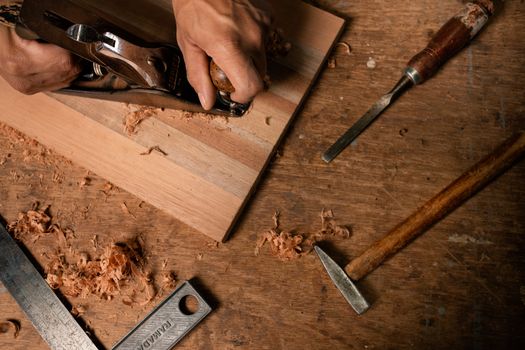
The hallmark of handmade furniture is superior craftsmanship and the use of quality materials. Unlike mass-produced furniture, each piece is meticulously constructed, often using traditional techniques that require years to master.
When assessing manufacturers, inquire about: - The types of wood, metals, or fabrics used - The sourcing of materials (local, sustainable, exotic) - Construction methods (joinery, finishes, hand-carving)For instance, some manufacturers may prioritize sustainably sourced hardwoods like American black walnut or European oak, while others may work primarily with reclaimed materials. The difference in material quality can significantly affect both aesthetics and durability. According to the American Hardwood Export Council, furniture made from solid hardwood can last three to four times longer than pieces made from particleboard or MDF.
Additionally, observe the level of detail in their work. Examine samples or visit their workshop if possible. Precision in joinery, smooth finishes, and seamless integration of components all indicate high standards of craftsmanship. Don’t hesitate to ask for a materials and process breakdown for your prospective piece.
Customization, Design Process, and Collaboration
One of the biggest draws of handmade furniture is the opportunity for customization. However, manufacturers vary widely in how collaborative and flexible their design process is.
Explore the following when discussing your project: - How involved can you be in the design process? - Are there limitations regarding dimensions, finishes, or detailing? - What is the typical timeline and communication protocol?Some manufacturers offer a fully bespoke experience, starting with sketches and CAD models, while others may only allow minor tweaks to existing designs. According to a 2022 Houzz survey, 48% of buyers who opted for custom furniture cited "personalization" as their main motivation.
A transparent, communicative design process is essential. Look for manufacturers who are responsive, open to ideas, and willing to provide progress updates. Ask to see previous custom projects, and clarify how revisions or changes are handled. This ensures your vision is realized and reduces the risk of misunderstandings.
Understanding Pricing, Value, and Warranty
Handmade furniture is often more expensive than its mass-produced counterparts, but the investment goes far beyond aesthetics. It’s important to understand what you’re paying for and to compare manufacturers on both price and value.
Key questions to ask include: - What is included in the quoted price? (Design, delivery, installation) - How are materials and labor costs calculated? - Is there a warranty or aftercare service?To help you compare, here’s an overview of typical differences between custom handmade and mass-produced furniture:
| Aspect | Handmade Furniture Manufacturer | Mass-Produced Furniture |
|---|---|---|
| Materials | Solid hardwoods, high-quality fabrics, hand-finished metals | Particleboard, veneers, synthetic fabrics, machine finishes |
| Customization | Full customization, unique designs | Limited options, standardized sizing |
| Lead Time | 6-12 weeks (on average) | 1-3 weeks (in stock) |
| Price Range | $2,000–$10,000+ per piece | $300–$2,000 per piece |
| Warranty | 1-10 years, often with aftercare | 1-3 years standard |
While handmade furniture requires a higher upfront cost, its longevity, resale value, and personal significance often outweigh the initial investment. Always request a detailed quote and written warranty before committing.
Assessing Sustainability and Ethical Practices
In recent years, sustainability has become a top concern for furniture buyers. A 2021 survey by Deloitte found that 55% of consumers are willing to pay more for products from companies committed to positive environmental impact. When choosing a handmade furniture manufacturer, consider their approach to ethical and sustainable production.
Key factors include: - Use of certified sustainable wood (such as FSC or PEFC certification) - Local sourcing to reduce carbon footprint - Low-VOC finishes and eco-friendly adhesives - Fair labor practices and safe working conditionsSome manufacturers go further by offering reclaimed wood options, zero-waste workshops, or partnerships with local artisans and suppliers. Don’t hesitate to ask about certifications, supply chain transparency, and company values. Responsible manufacturers are typically proud to share their efforts to minimize environmental impact and support their community.
After-Sales Support and Longevity
A reputable handmade furniture manufacturer stands by their work long after delivery. After-sales support is a strong indicator of confidence in their craftsmanship and customer-centric values.
Important aspects to consider: - What is the process for repairs, refinishing, or adjustments? - Do they offer maintenance guidance or in-home service? - How do they handle warranty claims or accidental damage?Some high-end manufacturers offer annual maintenance checks, discounted repair services, or even lifetime guarantees. This level of support ensures your investment remains beautiful and functional for decades. According to Consumer Reports, 67% of customers who were satisfied with after-sales support were more likely to recommend the manufacturer to others.
Final Thoughts on Choosing the Right Handmade Furniture Manufacturer
Selecting the right handmade furniture manufacturer is about much more than price or style; it’s about finding a partner who shares your commitment to quality, ethics, and personal expression. By thoroughly evaluating reputation, craftsmanship, customization options, value, sustainability, and after-sales support, you can make a confident decision that aligns with your lifestyle and values.
Remember, handmade furniture is an investment in both your home and the traditions of skilled artisans. Take the time to research, ask detailed questions, and trust your instincts. The right partnership will result in pieces that not only enhance your space but also tell a story for generations to come.