Decorating Spaces with Handmade Furniture: Creating a Harmonious Interior
Handmade furniture is more than just a functional element in your home—it’s an expression of personality, artistry, and values. As people increasingly seek authenticity and individuality in their living spaces, handmade furniture has surged in popularity. But how can you decorate with these unique pieces to create interiors that feel balanced, inviting, and cohesive? This guide explores creative ideas and practical strategies for integrating handmade furniture into harmonious spaces, blending aesthetics with comfort and function.
The Emotional Impact of Handmade Furniture in Interior Design
Handmade furniture carries an emotional resonance that mass-produced items often lack. Each piece tells a story—of the artisan’s skill, the materials’ journey, and the owner’s unique taste. This emotional depth can transform a room, making it feel more connected and alive.
A 2023 survey by the American Furniture Association found that 68% of homeowners who chose handmade furniture felt a stronger personal attachment to their interiors. This attachment leads to more mindful decorating choices, often resulting in more harmonious and meaningful spaces.
.png)
When decorating, consider the following emotional aspects:
- Provenance: Highlight the origin of your furniture. Display a short note or photo about its maker or the tradition it comes from. - Storytelling: Pair pieces with accessories or art that reflect their history, such as textiles or ceramics from the same region. - Emotional Zones: Use handmade furniture to create “comfort corners” or reading nooks, making spaces not only beautiful but restorative.Color, Texture, and Material: Achieving Balance with Handcrafted Pieces
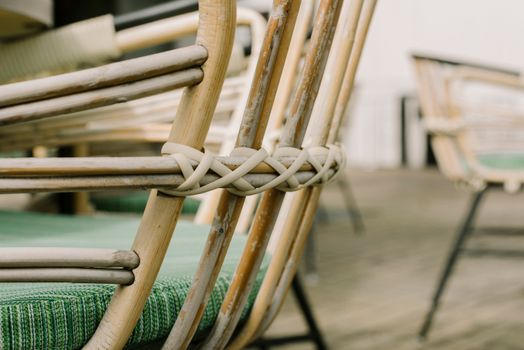
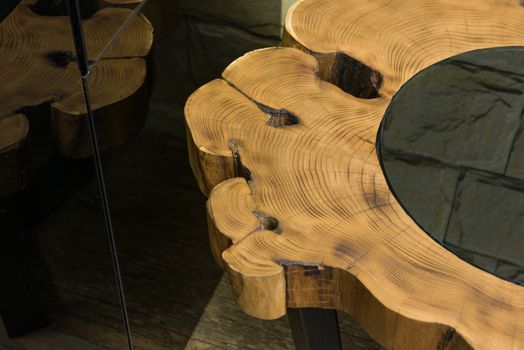
Handmade furniture often features unique textures and finishes—think of the grain of solid wood, the touch of handwoven cane, or the patina of artisanal metalwork. These features can be a blessing and a challenge when aiming for harmony.
Start by analyzing the dominant colors and materials in your handmade items. For example, a walnut sideboard with brass inlay offers both a warm brown tone and metallic highlights. Use these cues to select complementary wall colors, soft furnishings, and accessories.
Layering textures is another way to create visual interest without chaos. Pair a roughly-hewn wooden table with smooth ceramic vases, or set a hand-knotted rug beneath sleek, minimal chairs. This interplay creates a sense of depth.
A helpful guideline is the “60-30-10” rule, used by many interior designers:
- 60% dominant color (walls, large furniture) - 30% secondary color (upholstery, rugs) - 10% accent color (art, cushions, decor)This rule ensures that even with varied handmade pieces, the space feels cohesive rather than cluttered.
Arranging Handmade Furniture: Flow, Function, and Focal Points
The arrangement of handmade furniture can dramatically influence the harmony of a room. Functionality should always take precedence, but aesthetics matter too.
Begin by identifying the focal point of your space—this could be a handcrafted dining table, a sculptural chair, or a distinctive cabinet. Arrange other elements to support this star piece without overwhelming it.
Consider these placement tips:
- Allow for circulation: Leave at least 75-90 cm of clearance around main pathways. - Groupings: Arrange smaller handmade items in odd-numbered clusters (three or five), which tends to look more natural and pleasing. - Zoning: Use handmade screens, benches, or open shelving to delineate different areas within an open-plan space.A 2022 study by the National Association of Home Builders showed that well-zoned rooms increase perceived spaciousness by up to 30%, even in smaller homes.
Mixing Styles: Blending Old and New for a Harmonious Whole
One of the joys—and challenges—of decorating with handmade furniture is that these pieces often span different styles and eras. The key to harmony is intentional mixing.
For example, a mid-century modern handmade sideboard can coexist beautifully with a rustic farmhouse dining table. The trick is to find a common thread—such as wood tone, leg shape, or scale—that links the pieces together.
Here’s a comparison table highlighting approaches to mixing styles:
| Approach | Description | Example | Result |
|---|---|---|---|
| Color Cohesion | Choose pieces with similar color palettes | Walnut chair + walnut table, different styles | Unified look despite style differences |
| Repeated Motifs | Echo shapes or patterns | Curved armchair + round mirror | Visual rhythm, sense of connection |
| Material Repetition | Use the same material in multiple pieces | Brass lamp + brass drawer pulls | Subtle harmony, ties room together |
| Contrast as Feature | Deliberately juxtapose opposites | Industrial steel shelf + hand-carved oak desk | Dynamic, eclectic vibe |
Experts recommend balancing no more than three distinct styles in a single room. Any more, and the space may feel disjointed rather than harmonious.
Personalizing with Accessories: The Handmade Advantage
Handmade furniture provides a unique canvas for self-expression. The right accessories can enhance this effect and reinforce harmony.
Some ideas for thoughtful accessorizing:
- Textiles: Layer hand-loomed blankets or cushions to echo the craftsmanship of your furniture. A 2022 report from the Craft Industry Alliance noted that homes incorporating handmade textiles had 40% higher occupant satisfaction in surveys. - Art and Ceramics: Choose locally made or artisan-signed pieces. Group items by color, material, or theme for a curated effect. - Greenery: Pair handmade planters with your furniture to bring life and softness to the space. - Lighting: Use handcrafted lamps or pendant lights to highlight wood grain, joinery, or inlays in your furniture.The goal is to create “visual conversation” between furniture and accessories, where each element feels chosen and intentional.
Practical Tips for Maintaining Harmony Over Time
Harmony isn’t a one-time achievement; as your needs and tastes evolve, so will your interior. Handmade furniture, with its durability and timelessness, makes this process easier.
Some practical tips to maintain harmony:
- Seasonal Updates: Change textiles, art, or small accessories with the seasons, keeping main furniture pieces constant. This keeps the space fresh while retaining cohesion. - Mindful Addition: When adding new handmade pieces, revisit your room’s palette and style. Will the new item echo existing materials or introduce a welcome contrast? - Flexible Layouts: Invest in versatile handmade furniture—such as nesting tables or modular shelves—that can be rearranged as needed.According to a 2021 study in the Journal of Interior Design, spaces that allow for periodic refreshment (through flexible layouts and accessory swaps) have higher user satisfaction and reduced “decor fatigue.”
Final Thoughts on Creating Harmony with Handmade Furniture
Decorating with handmade furniture is both an art and a journey. Every piece you choose has the potential to enrich your home’s character, foster emotional connection, and promote a sense of harmony. By considering color, texture, arrangement, style blending, and thoughtful accessorizing, you can create interiors that are not just visually balanced but also deeply personal.
Remember, harmony isn’t about strict uniformity—it’s about making your space feel welcoming, authentic, and uniquely yours. With handmade furniture as your foundation, the possibilities are as limitless as your imagination.