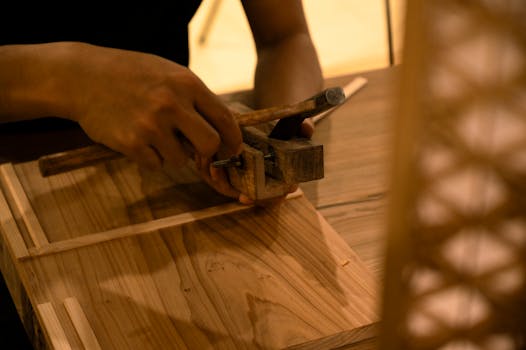
When it comes to furnishing a home or workspace, the choices often boil down to two main categories: handmade furniture and mass-produced pieces. While mass production has made furniture more accessible and affordable than ever before, there is a growing appreciation for the value, quality, and unique attributes of handmade furniture. This article explores the distinct advantages of investing in handmade furniture compared to its mass-produced counterparts, using concrete examples, statistics, and an easy-to-reference comparison table to help you make informed decisions for your living or working environment.
The Uniqueness Factor: One-of-a-Kind Versus Uniformity
One of the most compelling reasons people gravitate toward handmade furniture is its uniqueness. Every handmade piece tells a story through its subtle variations, distinctive grain patterns, and the personal touch of the maker. No two items are exactly alike, making each piece a true original that reflects both the artisan’s skill and the owner’s individuality.
In contrast, mass-produced furniture is designed for uniformity. Pieces roll off assembly lines in the thousands or millions, ensuring that the coffee table in your living room might be identical to one found in dozens of homes across the globe. While this standardization can make matching styles easier, it often means sacrificing personality and character.
.png)
A survey conducted by Statista in 2023 revealed that 41% of furniture buyers in the US felt that “unique design” was a key factor in their purchasing decision. This growing preference indicates a marketplace shift toward individuality and away from the cookie-cutter approach of mass production.
Quality and Craftsmanship: Built to Last
Handmade furniture is synonymous with superior craftsmanship. Artisans often dedicate years, even decades, to perfecting their skills, allowing them to create pieces that are meticulously constructed and finished. These craftspeople use time-honored joinery techniques, such as dovetail or mortise-and-tenon joints, which can significantly enhance the durability and longevity of furniture.
For example, a handmade solid oak dining table may take an artisan over 40 hours to complete, with each stage carefully monitored for quality. This level of attention simply isn’t feasible on a mass production line, where the focus is on efficiency and speed. According to a report by Furniture Today, handmade wood furniture typically lasts 3-4 times longer than mass-produced particleboard alternatives.
Moreover, handmade furniture is often repairable. Should a leg become loose or a finish wear thin over time, these pieces can be restored rather than discarded. Mass-produced items, on the other hand, frequently use glued or stapled joints and cheaper materials that are difficult or impossible to repair.
Material Choices: Sustainability and Ethics
Another significant advantage of handmade furniture is the ability to choose materials that align with your values. Many independent furniture makers source their wood from sustainably managed forests or even use reclaimed materials, minimizing environmental impact. For instance, the Forest Stewardship Council (FSC) reported in 2022 that over 25,000 businesses worldwide are now certified for sustainable wood sourcing, a figure that continues to grow as consumer demand rises.
In contrast, large-scale factories often prioritize cost over environmental considerations, using composite woods, MDF (medium-density fiberboard), and veneers that contain formaldehyde or other chemicals. These materials not only have a shorter lifespan but can also emit volatile organic compounds (VOCs) into your home’s air for years after purchase.
Handmade furniture also supports ethical labor practices. When you commission or purchase from an artisan, you are directly supporting their livelihood and the local economy. In comparison, mass production can sometimes involve exploitative labor conditions in overseas factories, a topic that has garnered increasing scrutiny in recent years.
Customization and Flexibility: Tailored to Your Needs
Perhaps no advantage is more appreciated than the ability to customize handmade furniture. Whether you need a bookcase that fits an awkward alcove, a dining table with a unique inlay, or a chair upholstered in fabric of your choosing, working with a maker allows you to bring your vision to life.
Mass-produced furniture is generally offered in a limited range of sizes, colors, and finishes. If your space or style falls outside these boundaries, you may have to settle for a compromise. Handmade furniture, however, can be tailored in terms of dimensions, materials, finishes, and even minor design tweaks to suit your exact requirements.
Consider the example of a recent survey by Houzz, which found that 36% of homeowners who invested in custom or handmade furniture cited “perfect fit for space” as their primary motivation. This flexibility not only ensures a harmonious layout but also maximizes the functionality of your living environment.
Investment and Long-Term Value
While the initial price tag for handmade furniture is often higher than that of mass-produced alternatives, it’s important to consider the long-term value. Handmade pieces are built to last for generations, often becoming cherished family heirlooms. Their durability and timeless design mean they are less likely to end up in a landfill, contributing to a more sustainable lifestyle.
Another aspect to consider is resale value. Well-crafted, unique furniture tends to appreciate or at least retain its value over time, especially if created by a recognized artisan or with rare materials. In contrast, mass-produced furniture typically depreciates rapidly, with little to no value once it has been used.
The following comparison table highlights key differences between handmade and mass-produced furniture:
| Aspect | Handmade Furniture | Mass-Produced Furniture |
|---|---|---|
| Uniqueness | One-of-a-kind, personalized | Identical, standardized |
| Craftsmanship | Expert, meticulous, traditional techniques | Automated, focused on speed |
| Materials | Solid wood, sustainable/reclaimed options | Veneers, MDF, particleboard |
| Customization | Fully customizable | Limited options |
| Durability | Often lasts decades to centuries | 5-10 years average lifespan |
| Repairability | Easy to repair or refinish | Often difficult or not worth repairing |
| Environmental Impact | Lower (if sustainably sourced) | Higher (often uses chemicals, more waste) |
| Initial Cost | Higher, but better long-term value | Lower, but depreciates quickly |
Emotional Connection and Storytelling
Beyond the physical qualities, handmade furniture offers an emotional dimension that mass-produced items rarely achieve. When you invest in a custom piece, you become part of its story—choosing the design, materials, and sometimes even visiting the workshop or meeting the maker. This connection fosters a sense of pride and attachment that enhances the enjoyment of your space.
A 2021 study published in the Journal of Consumer Research found that people who purchased handmade items reported 27% higher satisfaction and emotional attachment than those who purchased mass-produced goods. This bond can transform furniture from mere objects into meaningful heirlooms, enriching your life and the lives of future generations.
Making the Right Choice for Your Home or Office
Choosing between handmade and mass-produced furniture will depend on your priorities, budget, and values. If you seek individuality, lasting quality, ethical sourcing, and the ability to tailor each piece to your space, handmade furniture offers clear advantages. While the upfront investment may be higher, the long-term benefits—in durability, satisfaction, and even resale value—make it a compelling choice for those looking to create a home or office with character, integrity, and lasting appeal.
By supporting local artisans and choosing pieces built to endure, you are not only enhancing your own environment but also contributing to the preservation of traditional skills and sustainable practices.