From Tree to Table: The Life Cycle of Handcrafted Furniture
The journey of handcrafted furniture is a remarkable testament to artistry, sustainability, and human ingenuity. Unlike mass-produced items, handcrafted pieces are born from a deep connection to natural materials and traditional skills. Every table, chair, or cabinet has a unique story that begins in the forest and unfolds through a meticulous process that honors both the tree and the craftsperson. Understanding this life cycle not only deepens our appreciation for these works of art but also highlights the value of sustainable choices in our homes. In this article, we explore every stage of handcrafted furniture’s life—starting with the forest floor and ending with a cherished piece in your living space.
The Origins: Responsible Forestry and Tree Selection
The life cycle of handcrafted furniture begins long before a saw ever touches wood. It starts in responsibly managed forests, where careful stewardship ensures that timber harvesting does not deplete resources or harm ecosystems. According to the Forest Stewardship Council (FSC), over 220 million hectares of forest worldwide were FSC certified as of 2023, reflecting a growing commitment to sustainable sourcing.
Selecting the right tree is crucial. Artisans often seek out hardwoods like oak, walnut, maple, or cherry for their strength, beauty, and longevity. Each species brings unique characteristics: for example, American black walnut is prized for its rich, dark grain, while maple offers a lighter, more subtle pattern. The age, growth conditions, and even the orientation of the tree affect the wood’s final appearance and performance.
.png)
Responsible forestry also includes practices such as selective logging, replanting, and biodiversity conservation. Many artisans prefer using reclaimed or salvaged wood, further reducing environmental impact and giving new life to materials that might otherwise be discarded.
Transformation: Milling, Seasoning, and Preparation
Once a tree is selected, it is felled and transported to a sawmill, where it undergoes a dramatic transformation. The log is cut into boards or planks, with careful attention to the direction of the grain. This step is critical—incorrect milling can lead to warping or splitting later in the process.
After milling, the wood must be seasoned, or dried, to remove excess moisture. Freshly cut timber can have a moisture content of 50% or more, but for furniture making, it needs to be reduced to around 6-8%. This is typically achieved through air drying, which can take several months, or kiln drying, which speeds up the process to a matter of weeks. Proper seasoning prevents problems like cracking or warping in the finished piece.
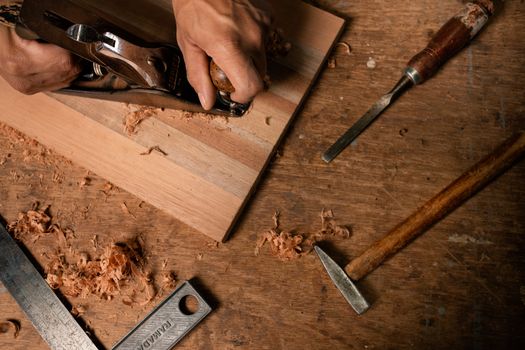
During preparation, the boards are planed, jointed, and sometimes treated to highlight their natural beauty. Flaws such as knots or burls, once considered imperfections, are often celebrated in handcrafted furniture for the character they add. This phase sets the stage for the artisan’s creative vision.
The Artistry: Design, Joinery, and Handcrafting Techniques
With raw materials prepared, the true artistry begins. Unlike factory-made furniture, handcrafted pieces are rarely identical—each is a unique response to the wood’s properties and the maker’s inspiration. The design process may involve hand-drawn sketches, scale models, or digital renderings, but it always accommodates the individuality of each board.
Joinery is one of the hallmarks of handcrafted furniture, with methods rooted in centuries-old traditions. Techniques such as dovetail, mortise-and-tenon, and finger joints provide strength without relying on nails or screws. A well-made joint can last for generations; for instance, studies have shown that properly executed mortise-and-tenon joints can withstand over 1,000 pounds of force.
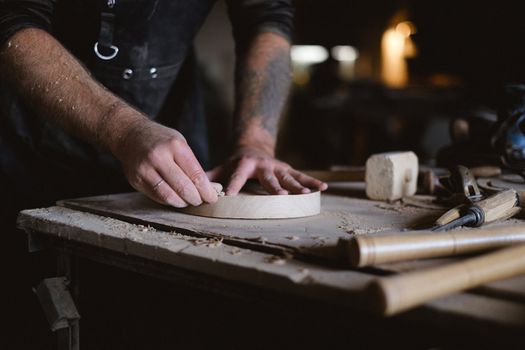
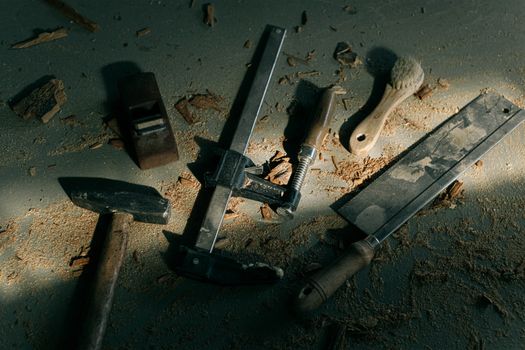
Artisans employ a blend of hand tools (like chisels, planes, and saws) and select power tools for precision. Carving, inlay, and marquetry further distinguish handcrafted work, turning functional furniture into heirloom art. Each stage of assembly is guided by a respect for the wood’s natural movement and the desire to create something that endures.
Finishing Touches: Sanding, Staining, and Protection
The final stages of the handcrafted furniture life cycle involve finishing, where the piece gains its tactile and visual appeal. Sanding is done by hand in multiple passes, using grits from coarse to ultra-fine, to achieve a smooth, touchable surface. The choice of finish—oil, wax, shellac, lacquer, or polyurethane—depends on the desired appearance and durability.
Natural oil finishes, like tung or linseed oil, penetrate the wood to bring out its grain while allowing it to breathe. These are favored by many artisans for their low toxicity and ease of maintenance. In contrast, lacquers and polyurethanes provide a harder, more water-resistant surface, suitable for high-traffic areas like tabletops.
Staining can enhance or alter the wood’s color, but many craftspeople prefer to let the natural hues shine through. The application of finishes is often a meditative process, with multiple coats and hand buffing bringing out the wood’s depth and luster. This stage represents the culmination of weeks or even months of labor, transforming rough lumber into a functional masterpiece.
From Workshop to Home: Longevity and Legacy
Handcrafted furniture is built to last—often for generations. Unlike flat-pack or mass-produced items, these pieces are designed to be repaired and refinished, not discarded. The average lifespan of well-maintained solid wood furniture can exceed 100 years, compared to an average of just 7-15 years for particleboard or veneer products.
The journey from workshop to home is also part of the story. Many artisans work directly with clients, customizing pieces to fit specific spaces or tastes. This personal connection fosters a sense of stewardship: owners are more likely to care for and pass down handcrafted pieces. According to a 2022 survey by the American Home Furnishings Alliance, 63% of respondents considered heirloom potential a key factor in purchasing handmade furniture.
Handcrafted furniture also supports local economies and preserves valuable skills. Every purchase is a vote for meaningful work, environmental responsibility, and the beauty of the natural world.
Handcrafted vs. Mass-Produced Furniture: A Comparative Overview
To better appreciate the distinctions between handcrafted and factory-made furniture, consider the following comparison:
| Aspect | Handcrafted Furniture | Mass-Produced Furniture |
|---|---|---|
| Source of Materials | Locally sourced, often sustainable or reclaimed | Often imported, may use non-renewable materials |
| Build Quality | Solid wood, traditional joinery, long lifespan (50-100+ years) | Particleboard/veneer, fasteners, lifespan 7-15 years |
| Customization | Highly customizable, unique designs | Standardized, limited options |
| Environmental Impact | Lower, with responsible sourcing and longevity | Higher, due to mass production and shorter lifespans |
| Cost | Higher upfront, better long-term value | Lower upfront, may need frequent replacement |
| Craftsmanship | Handmade, often includes artistic flourishes | Machine-made, minimal handwork |
The End and a New Beginning: Upcycling and Responsible Disposal
Even the end of a piece’s life can be part of the handcrafted furniture cycle. Solid wood furniture is far more likely to be repaired, upcycled, or repurposed than its mass-produced counterparts. Scratches and dings often add character rather than diminishing value, and refinishing can restore a piece to its former glory.
When a handcrafted item truly reaches the end of its usable life, it is biodegradable and recyclable. Unlike composite furniture, which may end up in a landfill, solid wood can be composted or even burned for energy. In the United States, wood waste recycling diverted approximately 19.2 million tons from landfills in 2021, much of it from furniture and construction materials.
This cyclical approach ensures that handcrafted furniture not only celebrates the life of a tree but also closes the loop on sustainability, leaving a lighter footprint for future generations.
Celebrating the Life Cycle of Handcrafted Furniture
The story of handcrafted furniture is more than a chronology of steps; it’s a celebration of nature, skill, and conscious living. From the careful selection of trees to the last loving application of oil, each phase reflects a commitment to quality, sustainability, and beauty. Choosing handcrafted furniture is more than a design decision—it’s an investment in a legacy that honors both the material and the maker, while connecting us to the natural world.
By understanding and valuing this life cycle, we become stewards of artistry and nature alike, ensuring that the journey from tree to table continues for generations to come.