Handcrafted furniture is most often associated with the warmth, beauty, and character of wood. But while wood is the heart and soul of artisanal furniture, it is by no means the only material involved in the making of these enduring pieces. In fact, some of the most celebrated handcrafted furniture in history owes its unique appeal to the thoughtful integration of diverse materials—metals, textiles, glass, stone, and even unexpected modern compounds. These materials don’t just add to the aesthetics; they enhance function, durability, comfort, and even the story each piece tells.
This exploration goes beyond the grain, examining how skilled makers blend materials to transcend the limitations of wood and elevate handcrafted furniture into works of art and innovation.
The Role of Metal: Strength, Detail, and Modern Flair
Metal has been intertwined with wood in furniture design for centuries. Beyond providing structural strength, metal introduces a visual contrast and allows for intricate decorative details that wood alone cannot achieve.
.png)
Steel, iron, brass, and copper are the most common metals used in handcrafted furniture. For example, steel frames can give a table or chair an industrial edge while ensuring a solid foundation. Brass inlays and handles add a touch of luxury and timelessness, while exposed iron fastenings can give a rustic, handcrafted feel.
A 2021 survey by the American Society of Furniture Designers found that 48% of consumers prefer furniture with visible metal elements for their perceived durability and modern appeal. Notably, the resurgence of mixed-material furniture in the last decade has been driven by a desire for pieces that fuse traditional craftsmanship with contemporary design.
Examples of metal-enhanced handcrafted furniture include: - Dining tables with powder-coated steel legs and walnut tops - Cabinets with hand-forged iron handles and hinges - Beds with brass-accented headboards for an Art Deco touchThe careful selection and finishing of metal components are crucial. Metals must be treated to resist corrosion and prevent reactions with wood, especially in changing climates. Artisans often use patinas, lacquers, or powder-coating to ensure longevity and maintain their intended look over decades.
Textiles and Leather: Comfort, Color, and Character
While wood and metal create the framework, textiles and leather bring comfort and personality to handcrafted furniture. Upholstery is where artisans can truly customize a piece to suit individual tastes, whether it’s a classic tufted armchair or a minimalist Scandinavian bench.
Leather, especially when hand-stitched or tooled, adds a rich, tactile dimension and ages beautifully over time. High-quality full-grain leather is prized for its durability and unique patina, while eco-friendly tanned hides are gaining popularity for sustainability-conscious buyers.
On the textile front, artisans have an expanding palette: - Natural fibers like linen, cotton, and wool for breathability and softness - Performance fabrics made from recycled materials for stain and fade resistance - Handwoven textiles for a unique, artisanal touchA 2022 industry report showed that upholstered handcrafted pieces accounted for 31% of custom furniture sales, and nearly 80% of buyers cited comfort and fabric choice as their top priorities.
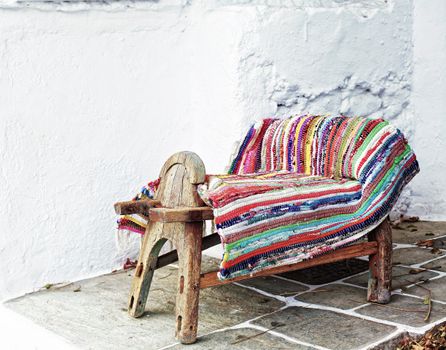
Textiles also allow for expression through color and pattern, breaking up the natural tones of wood and adding vibrancy or subtlety as desired. For instance, a solid maple bench upholstered in indigo-dyed cotton transforms from rustic to modern bohemian.
Glass and Stone: Transparency and Texture
Glass and stone are becoming increasingly popular choices for artisans looking to push the boundaries of design. These materials introduce a sense of lightness, transparency, and organic texture that can contrast beautifully with wood’s warmth.
Glass, whether clear, frosted, or colored, is often used for tabletops, cabinet doors, and shelving. The use of hand-blown or stained glass can add artistic flair, turning a simple cabinet into a statement piece. Tempered glass is favored for its safety and durability; it’s up to five times stronger than regular glass and, if broken, shatters into small, less dangerous pieces.
Stone, such as marble, granite, or slate, is valued for its durability and unique veining. Stone-topped side tables, desks, or kitchen islands combine the tactile pleasure of wood with the cool luxury of stone. A marble-topped walnut console, for example, offers both resilience and elegance—a combination that appeals to those seeking heirloom-quality furniture.
These materials require specialized craftsmanship. Stone must be precisely cut and sealed to avoid staining, while glass edges are typically beveled or polished for safety and aesthetics. The integration of such elements demonstrates the artisan’s technical skill and eye for harmonious design.
Modern Materials: Innovation Meets Tradition
While handcrafted furniture is often associated with traditional methods and materials, modern innovations are finding their way into artisan studios. New materials can solve longstanding challenges and offer benefits that natural materials alone cannot provide.
Resins and epoxies, for instance, are now commonly used to fill voids in live-edge wood slabs, creating dramatic “river tables” where colored or clear resin mimics flowing water. These compounds can also stabilize fragile woods, making it possible to use otherwise unusable pieces.
Engineered materials like plywood and MDF (Medium-Density Fiberboard) are also finding their place—not as a substitute for solid wood, but as a means to add strength, reduce weight, or achieve complex curves. When veneered with exotic woods or finished by hand, these materials can be indistinguishable from solid hardwood, yet offer greater stability.
Recycled and upcycled materials are gaining traction as artisans and buyers alike seek eco-friendly options. Examples include: - Reclaimed barn wood paired with salvaged steel beams - Tabletops made from compressed recycled paper and resin, which are highly water-resistant - Leather substitutes made from pineapple fibers or mycelium (mushroom leather)These innovations are not about replacing the soul of handcrafted woodwork but about expanding the possibilities and making artisanal furniture more accessible, sustainable, and expressive.
Comparing Key Materials in Handcrafted Furniture
To better understand the benefits and considerations of different materials used alongside wood, here’s a comparison of their key characteristics:
| Material | Main Benefits | Common Uses | Average Lifespan | Care & Maintenance |
|---|---|---|---|---|
| Metal (Steel, Brass, Iron) | Strength, durability, aesthetic contrast | Frames, handles, accents | 50+ years | Occasional polishing, rust prevention |
| Leather | Comfort, patina, luxury | Upholstery, straps, inlays | 20-40 years | Conditioning, protection from sunlight |
| Textiles | Color, softness, customization | Upholstery, cushions | 10-20 years | Vacuuming, spot cleaning |
| Glass | Lightness, transparency, elegance | Tabletops, doors, shelves | 25-50 years | Gentle cleaning, chip prevention |
| Stone (Marble, Granite) | Durability, unique appearance, heat resistance | Tabletops, accents | 50+ years | Sealing, cleaning with non-acidic products |
| Resin/Epoxy | Stabilization, creativity, water resistance | Inlays, river tables, repairs | 20-30 years | Wipe clean, avoid sharp impacts |
How Material Choices Reflect Culture and Craftsmanship
The use of non-wood materials in handcrafted furniture is not just about function or aesthetics—it’s also a reflection of cultural traditions, technological progress, and the maker’s personal vision.
For example, Japanese artisans have long combined wood with paper (shoji screens) and lacquer for both practical and artistic effects. Scandinavian designers often introduce wool and leather to soften the clean lines of their wooden pieces. In Morocco, hand-hammered metal and colorful mosaic tiles are integral to the furniture’s identity.
In the contemporary context, the ability to source, combine, and finish diverse materials speaks to the artisan’s skill and adaptability. This versatility allows for greater customization—an increasingly important factor, as a 2023 survey by Furniture Today found that 62% of buyers are willing to pay more for unique, custom-crafted pieces.
Each material, when selected and integrated with care, adds to the story and value of the furniture. The harmony between wood and its counterparts ensures that handcrafted pieces remain relevant, desirable, and cherished for generations.
Final Perspective: The Future of Multimaterial Handcrafted Furniture
The evolution of handcrafted furniture is a testament to creativity, innovation, and respect for both tradition and progress. While wood remains the foundation, the thoughtful integration of metal, textiles, glass, stone, and new materials continues to push the boundaries of what is possible.
The next time you admire a handcrafted chair with a leather seat and brass accents or a table where live-edge wood meets a river of colored resin, you’re witnessing the culmination of centuries of craftsmanship, material science, and artistic vision. These pieces not only serve practical needs but also enrich our lives with beauty, comfort, and enduring value.
As consumers become more discerning and environmentally conscious, the demand for unique, responsibly made, and multimaterial furniture will only grow. For artisans, the expanding palette of materials means endless opportunities to create, innovate, and inspire.