The Journey of a Tree: From Forest to Finished Furniture
The transformation of a tree from its rooted origins in a thriving forest to a cherished piece of furniture in our homes is a story centuries in the making. Discovering the journey of a tree not only deepens our appreciation for the craftsmanship involved but also highlights the intricate processes, environmental considerations, and technological advancements that shape the furniture we use every day. This article will take you step by step through the tree’s remarkable passage—from seedling to finished product—revealing the science, sustainability, and artistry involved at every stage.
From Seedling to Towering Timber: The Lifecycle of Forest Trees
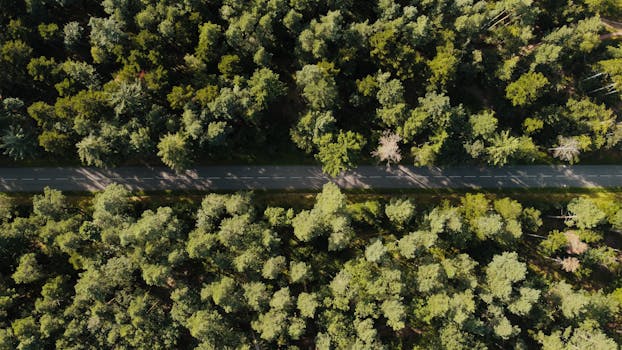
Every piece of wooden furniture begins with a tree, but the story starts even earlier, with a seed. Forest management and tree cultivation are critical first chapters in a tree’s journey. In managed forests, the selection of species, responsible planting, and ongoing care ensure trees grow strong and healthy.
On average, hardwood trees like oak and maple take 50 to 100 years to mature, while fast-growing softwoods such as pine can be harvested in as little as 20 years. Throughout this lifespan, trees contribute to their ecosystems—absorbing carbon dioxide, providing habitat, and stabilizing soil. In fact, according to the Food and Agriculture Organization (FAO), forests absorb about 2.6 billion metric tons of carbon dioxide each year, playing a vital role in combating climate change.
.png)
Sustainable forestry practices, such as selective logging and replanting, are increasingly common. Organizations like the Forest Stewardship Council (FSC) certify that wood products come from responsibly managed forests, ensuring the cycle continues for generations.
Harvesting: The Art and Science of Tree Selection
Harvesting is much more than simply cutting down trees. Foresters must assess which trees are ready for harvest, considering age, health, and the impact on the surrounding ecosystem. Selective logging ensures that only mature trees are removed, maintaining the forest’s overall health and biodiversity.
Modern forestry uses a blend of traditional knowledge and advanced technology. For instance, GIS mapping and drones help identify the best candidates for harvest, minimizing environmental disruption. According to a 2022 report by the US Forest Service, the use of precision forestry technology has increased timber yield by up to 15% while reducing waste.
Once selected, trees are felled using chainsaws or harvesters, then transported to sawmills. The timing of the harvest is crucial: trees are often harvested in winter when sap content is low, which helps prevent decay and insect infestation during transport and processing.
The Sawmill: Transforming Logs into Usable Lumber
After harvesting, logs are transported to the sawmill—a critical stage where raw timber becomes usable lumber. Sawmills use powerful machinery to debark, cut, and sort logs by size and quality.
Here’s a simplified overview of the sawmilling process:
1. Debarking: Machines remove the outer bark, which is often used for mulch or biomass energy. 2. Sawing: Circular or band saws cut logs into planks or beams. 3. Grading: Lumber is graded based on appearance, strength, and suitability for different uses. 4. Drying: Freshly cut wood contains up to 50% moisture. Kilns or air drying reduce this to 6-8%, preventing warping and decay.At this stage, approximately 50% of a log becomes usable lumber, while the remainder is repurposed for wood chips, paper, or fuel, minimizing waste. According to the National Hardwood Lumber Association, North American sawmills collectively process over 400 million cubic meters of timber annually.
Wood Preparation: Seasoning, Treating, and Shaping
Before wood can be crafted into furniture, it must be properly prepared. Seasoning—drying the wood to the correct moisture content—is essential. Improperly seasoned wood can warp, crack, or shrink, ruining the final product. Kiln drying is the industry standard, reducing drying times from months to weeks and offering precise control over moisture content.
Treatment is another key step to ensure durability and safety. This may include:
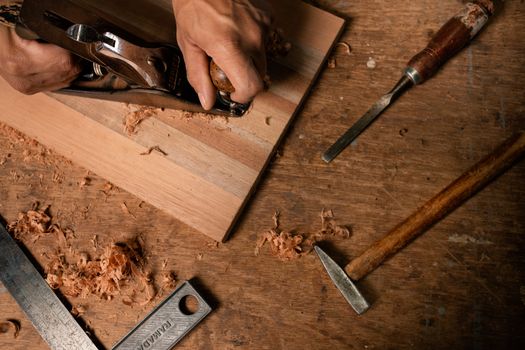
- Chemical treatments to protect against pests and fungi - Staining or coloring for aesthetic purposes - Lamination or veneering to enhance appearance or strengthOnce prepared, the lumber is cut, planed, and shaped into components for furniture. Computer Numerical Control (CNC) machines now allow for incredible precision, reducing waste and enabling complex designs previously impossible by hand.
The table below compares traditional vs. modern wood preparation processes:
| Process | Traditional Method | Modern Method |
|---|---|---|
| Seasoning | Air drying (6-12 months) | Kiln drying (1-4 weeks) |
| Shaping | Hand tools, manual saws | CNC machines, laser cutters |
| Treatment | Natural oils, basic stains | Advanced chemical treatments, eco-friendly finishes |
| Precision | Variable, dependent on craftsman | High and consistent |
Joinery and Craftsmanship: Assembling the Furniture
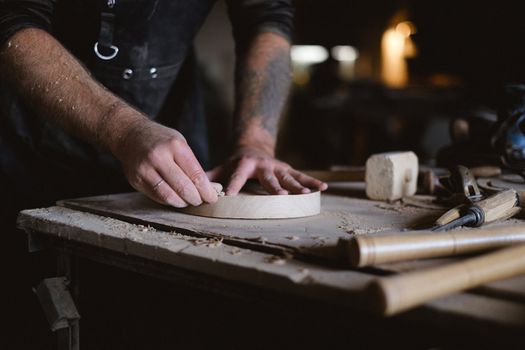
This stage is where the artistry comes alive. Skilled craftspeople use a variety of joinery techniques—such as dovetail, mortise and tenon, and dowel joints—to assemble pieces. Unlike metal fasteners, these methods enhance both the strength and aesthetics of furniture.
Modern workshops blend time-honored handcrafting skills with advanced tools. For example, CNC routers can create intricate inlays, while hand-finishing delivers a tactile quality no machine can replicate. According to a 2023 survey by the American Woodworking Association, over 70% of high-end furniture makers blend traditional joinery with modern technology for optimal results.
Finishing is the final touch, involving sanding, staining, and applying protective coatings. This not only enhances the wood’s natural beauty but also protects it from moisture and wear.
Sustainability and the Environmental Impact of Furniture-Making
The journey from forest to finished furniture has significant environmental implications. Fortunately, both industry and consumers are increasingly prioritizing sustainability.
Key facts: - The FSC reports that 35% of all globally traded wood products are now FSC-certified, indicating responsible sourcing. - Furniture made from reclaimed or recycled wood can reduce carbon emissions by up to 40% compared to using virgin timber. - The U.S. Environmental Protection Agency estimates that wood products store approximately 2 billion metric tons of carbon in buildings and furniture across the country.Manufacturers are also adopting eco-friendly finishes, energy-efficient kilns, and zero-waste policies. By choosing furniture made from sustainably harvested wood, consumers help protect forests, reduce waste, and support ethical practices.
The Final Destination: Furniture in Our Homes
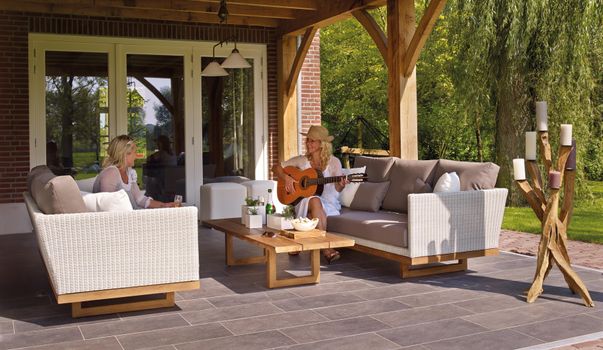
Once complete, furniture embarks on its last journey—to homes, offices, and public spaces worldwide. Here, the story continues as each piece becomes part of daily life. Well-crafted wooden furniture can last for generations, gaining character and value with age.
The choice of wood, craftsmanship, and care all influence a piece’s longevity. Solid hardwood furniture, for example, can last over 100 years with proper maintenance. This durability not only reduces the need for replacements but also preserves the stories and memories woven into each item.