Embracing the charm and distinction of handcrafted wooden furniture and wood carving can significantly elevate the aesthetic and atmosphere of any living space. These crafts, steeped in tradition and refined over generations, offer more than utility—they bring a story to life through every grain and carve.
Why Choose Handcrafted Wooden Furniture?
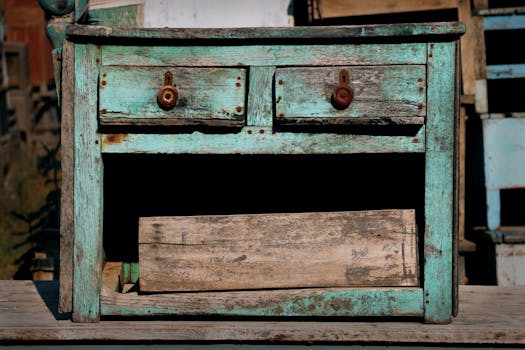
Uniqueness: Each piece of handcrafted furniture is a testament to individual artistry. Unlike mass-produced items, these pieces are characterized by distinct irregularities and nuances in wood grain, color, and texture, which make each item one-of-a-kind.
.png)
Quality and Durability: Craftsmen select high-quality woods and employ age-old techniques designed to ensure that each piece is not only beautiful but also durable and sturdy. Hardwoods like oak, maple, and walnut are preferred for their longevity and resilience, ensuring that the furniture lasts for decades and potentially becomes a family heirloom.
Customization: One of the most significant advantages of handcrafted furniture is the ability to customize pieces. Artisans can tailor dimensions, wood types, finishes, and designs to meet specific preferences or space requirements, making each piece perfectly suited to its intended environment.
The Art of Wood Carving
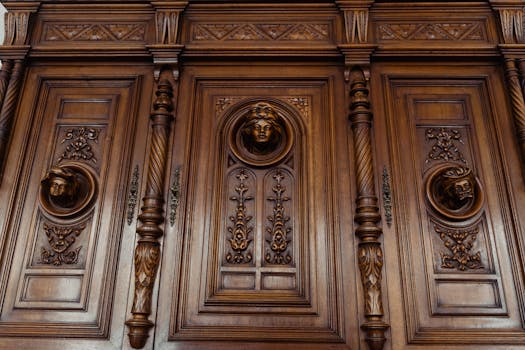
Wood carving transforms simple wood blocks into intricate works of art. This process requires not only technical skill and precision but also an artistic eye.
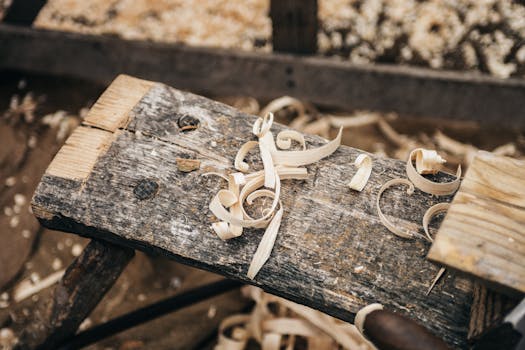
Techniques: From whittling, which uses a simple knife to carve wood, to more advanced techniques involving chisels, gouges, and mallets, wood carving can range from basic to highly complex. These tools allow the carver to add intricate details and textures that enhance the visual appeal of the wood.
Understanding Wood Grain: A critical skill for any woodcarver is understanding the direction of the wood grain. This knowledge is crucial because it influences the carving technique used and the final outcome of the piece. Wood is strongest along the grain, and carving with this natural alignment ensures better results and minimizes the risk of the wood splitting.
Finishing Touches
The final step in both furniture making and wood carving is the application of finishes that protect and enhance the natural beauty of the wood. Choices in finish not only protect the wood but also can complement the style of a room, highlighting the natural patterns of the grain or adding color to suit specific decor schemes.
Sustainable and Ethical Practices
Opting for handcrafted wooden furniture and carvings also supports sustainable and ethical craftsmanship. Artisans who create these pieces often source their materials responsibly and prioritize ecological considerations. By choosing these items, consumers support not only local and small-scale artisans but also broader environmental sustainability efforts.
Conclusion
The allure of handcrafted wooden furniture and wood carving lies in their deep-rooted connection to history and tradition, as well as in the personal stories they embody. These pieces do more than fill a space—they enrich it, offering both aesthetic beauty and a narrative of craftsmanship. Whether it's a custom-made chair or a finely carved sculpture, these works of art provide an enduring presence that can transform any space into a home.