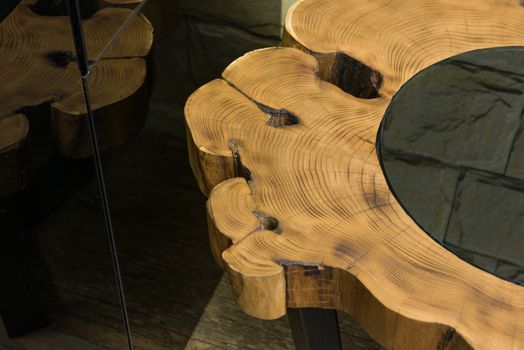
For centuries, handmade furniture has stood as a silent witness to shifting tastes, evolving artistry, and the dynamic interplay between function and fashion. From the ornate masterpieces of bygone eras to today’s sleek, minimalist designs, each piece tells a story—not just of meticulous craftsmanship, but also of changing lifestyles, cultural movements, and the social fabric that wove them together. Exploring the history of handmade furniture reveals far more than beautiful wood and joinery; it uncovers a fascinating timeline of how humanity’s needs, aspirations, and creative spirit have shaped the very objects we live with every day.
The Origins: Craftsmanship in Ancient Civilizations
Handmade furniture has roots as deep as civilization itself. The earliest known wooden furniture dates back over 5,000 years to Ancient Egypt, where artisans crafted beds, chairs, and tables from local woods such as sycamore and acacia. These early pieces were not merely utilitarian; they were status symbols, often adorned with inlays of ivory and gold, and designed with intricate carvings that reflected the beliefs and values of their time.
The Greeks and Romans advanced the craft further, introducing innovations such as mortise-and-tenon joints and veneering. Roman craftsmen, for example, were known for their curule chairs—folding seats reserved for high-ranking officials. Precise records from Pompeii show how Roman homes combined comfort with grandeur, using both local and imported woods.
.png)
By the Middle Ages, Europe’s guild system formalized furniture making as a prestigious trade. Craftsmen, often working in family-run workshops, produced sturdy oak pieces designed for the cold, drafty interiors of castles and monasteries. Gothic furniture of the period was characterized by pointed arches, tracery, and religious motifs, echoing the architecture of the time.
Renaissance to Rococo: The Flourishing of Style and Ornament
The Renaissance (14th–17th centuries) ushered in a new era for handmade furniture, as wealth increased and homes became more comfortable and private. Italian artisans led the way, inspired by classical antiquity to produce cabinets, tables, and chairs with harmonious proportions and intricate marquetry—using contrasting woods, metals, and even mother-of-pearl.
By the 17th and 18th centuries, the Baroque and Rococo movements swept across Europe, bringing with them a taste for opulence. French furniture makers, particularly those in the court of Louis XIV at Versailles, created lavish pieces with dramatic curves, gilded finishes, and elaborate motifs of shells, flowers, and scrolls. The famed André-Charles Boulle perfected the art of marquetry, combining ebony, tortoiseshell, and brass in bold, decorative patterns.
Meanwhile, in England, the Chippendale style emerged in the mid-1700s, blending influences from Gothic, Chinese, and French design. Thomas Chippendale’s 1754 publication, "The Gentleman and Cabinet Maker's Director," became a bible for furniture makers, standardizing many design elements and spreading them across continents.
Industrial Revolution: The Shift from Handmade to Machine-Made
The dawn of the Industrial Revolution in the late 18th century marked a turning point. New machinery and techniques made it possible to mass-produce furniture, making stylish pieces affordable for the growing middle class. However, this shift sparked a reaction among artisans and designers who feared the loss of craftsmanship and individuality.
The Arts and Crafts movement, led by figures like William Morris in the 19th century, sought to revive traditional handcraft and honest materials. Their philosophy was a direct response to the ornate excesses and perceived soullessness of mass-produced Victorian furniture. Arts and Crafts pieces emphasized simplicity, sturdy construction, and visible joinery, influencing later styles such as Mission and Shaker furniture in America.
Despite the rise of factories, handmade furniture persisted, particularly for bespoke commissions and luxury markets. In fact, during the late 19th and early 20th centuries, the value of craftsmanship was elevated, with many regarding hand-built pieces as heirlooms worthy of passing down through generations.
20th Century: Modernism and the Blending of Function with Form
The 20th century saw dramatic changes in furniture styles, driven by new materials, technologies, and philosophies. The Bauhaus school in Germany (founded in 1919) championed the idea that design should be functional, affordable, and accessible, leading to the creation of iconic pieces like Marcel Breuer’s Wassily Chair—made from tubular steel and canvas.
Modernist furniture, exemplified by designers like Charles and Ray Eames, Le Corbusier, and Alvar Aalto, embraced clean lines, organic shapes, and innovative use of plywood, plastics, and metals. While mass production was now the norm, a robust market remained for handmade, custom pieces, often blending traditional woodworking skills with new materials and minimalist aesthetics.
In Scandinavia, the mid-century movement prioritized functionality, comfort, and an understated beauty. Danish designers such as Hans J. Wegner and Arne Jacobsen produced handmade chairs and tables that are still celebrated today for their timeless appeal and ergonomic design.
Handmade Furniture in the 21st Century: Tradition Meets Innovation
Today, the world of handmade furniture is as diverse as ever. Globalization, digital technology, and a growing appreciation for sustainability have all shaped contemporary trends. Modern artisans draw inspiration from historic styles while experimenting with new forms, mixed materials, and eco-friendly practices.
For example, a 2023 survey by the American Home Furnishings Alliance found that 62% of consumers prefer furniture made from sustainably sourced wood, a preference that has influenced both design and production methods. Customization is also on the rise: more than 47% of buyers in a 2022 Houzz report said they value being able to select finishes, sizes, and materials to fit their personal style and space.
Handmade furniture makers now utilize digital tools, such as CAD software and CNC routers, to enhance precision and efficiency without sacrificing artistry. This blend of old and new allows for a level of detail, quality, and personalization that mass production cannot match.
Comparing Styles Through the Ages: A Visual Overview
To better understand how handmade furniture has evolved, consider the following comparison of key styles, features, and materials across different periods:
| Era/Style | Main Features | Typical Materials | Notable Examples |
|---|---|---|---|
| Ancient Egypt | Geometric forms, inlays, symbolic carvings | Sycamore, acacia, ivory, gold | Funerary beds, thrones, stools |
| Baroque/Rococo (17th-18th c.) | Curved lines, gilding, ornate motifs | Walnut, ebony, marble, brass, tortoiseshell | Louis XIV armchairs, Boulle cabinets |
| Arts and Crafts (late 19th c.) | Simple lines, visible joinery, natural finishes | Oak, ash, leather, copper | Morris chairs, Stickley sideboards |
| Mid-Century Modern | Sleek forms, organic shapes, minimal ornament | Teak, rosewood, plywood, fiberglass | Eames Lounge Chair, Wegner Wishbone Chair |
| Contemporary (21st c.) | Customization, sustainability, mixed media | Reclaimed wood, steel, glass, composites | Live-edge tables, modular storage units |
Societal Influences: How Culture Shaped Handmade Furniture
Cultural shifts and historical events have always played a role in influencing furniture trends. For example, the austerity of the Great Depression in the 1930s led to simpler, more practical designs, while post-war prosperity in the 1950s brought about a wave of bold, optimistic forms and bright colors.
Globalization has introduced new materials and cross-cultural design influences. Japanese joinery techniques, Scandinavian minimalism, and African carving traditions have found their way into contemporary handmade furniture, creating unique hybrids that reflect our increasingly interconnected world.
Sustainability concerns, too, have become a major driver. In Europe, for instance, the EU’s Ecolabel certification has encouraged furniture makers to adopt eco-friendly materials and processes. According to Statista, the market for sustainable furniture is expected to grow by more than 5% annually through 2028, with handmade pieces leading the trend due to their durability and environmental credentials.
The Enduring Appeal of Handmade Furniture: Looking Back and Ahead
Despite waves of industrialization and changing consumer habits, handmade furniture remains more than just functional decor. It is a testament to human ingenuity, patience, and a desire for beauty that transcends trends. Whether inspired by the grandeur of Versailles or the simplicity of Shaker design, today’s handmade furniture carries forward a legacy of craftsmanship while adapting to contemporary needs.
This enduring appeal lies in the blend of tradition and innovation. Modern makers honor centuries-old techniques even as they experiment with new materials, forms, and technologies. For consumers, owning a handmade piece means having a unique story in their home—one that connects past and present, artisan and owner, craft and culture.