Carving a Legacy: The Beauty of Handcrafted Woodwork
The allure of handcrafted woodwork transcends time, culture, and trend. Throughout history, wood has been an essential element in human creativity, from the earliest carved utensils to the ornate architectural masterpieces gracing palaces and temples. Today, in a world dominated by mass production and fleeting trends, handcrafted woodwork stands as a testament to skill, patience, and the human touch. Carving a legacy through woodwork is not only about creating beautiful objects—it’s about preserving heritage, connecting with nature, and leaving something tangible for future generations. This article explores the unique beauty, enduring value, and profound meaning of handcrafted woodwork, revealing why it continues to captivate hearts and inspire artisans across the globe.
The Timeless Allure of Handcrafted Woodwork
The intrinsic appeal of handcrafted woodwork lies in its individuality and authenticity. Unlike machine-made products, each hand-carved piece is unique, bearing the marks of its maker and the subtle variances of the material itself. No two pieces are identical, and this singularity is precisely what makes handcrafted woodwork so desirable.
Historically, civilizations from the Vikings to the Japanese have prized wood not only for its utility but for its symbolic and artistic value. According to UNESCO, traditional woodcarving is recognized as an intangible cultural heritage in countries such as Indonesia and India, where artisans pass down skills through generations. In the United States, the market for handmade furniture and wood art has grown, with Americans spending over $13.5 billion on artisanal home décor in 2022, according to Statista.
.png)
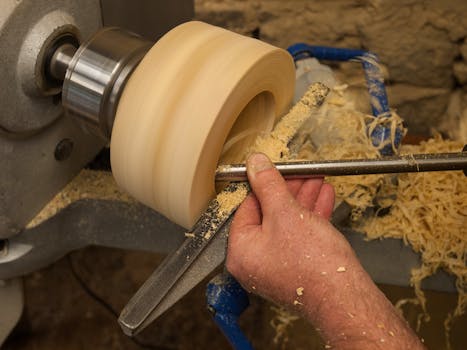
The allure of handcrafted woodwork is rooted not just in its visual beauty but in the tactile experience—running your fingers over the smooth curves of a hand-turned bowl or the textured relief of an intricately carved panel. This sensory connection fosters a deeper appreciation for both the object and the artisan behind it.
From Forest to Workshop: The Journey of a Wooden Masterpiece
Every handcrafted wooden object begins its journey long before the artisan picks up a chisel. The process starts with the careful selection of wood, a step that influences the character, durability, and beauty of the final piece. Different woods bring different stories—oak for strength, walnut for richness, cherry for warmth, and maple for clarity.
Sustainable sourcing is a growing priority among today’s woodworkers. According to the Forest Stewardship Council (FSC), over 200 million hectares of forests worldwide are now certified as responsibly managed, ensuring the continued availability of quality wood for future generations.
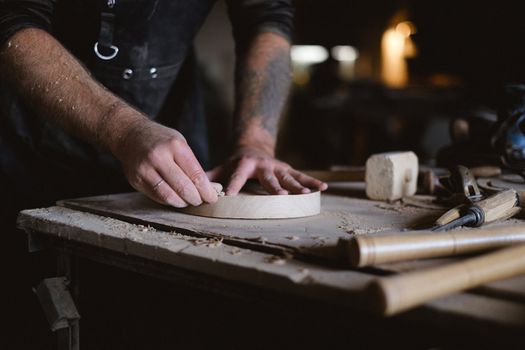
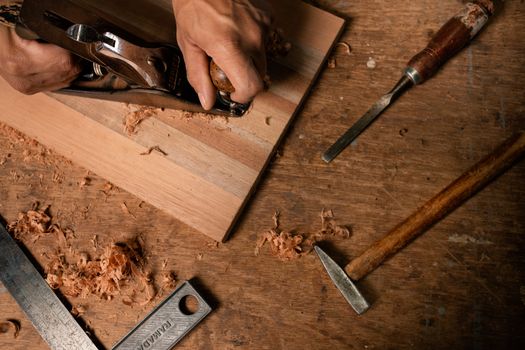
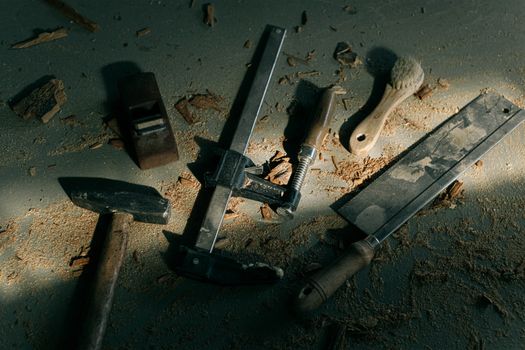
Once the wood is sourced, artisans meticulously plan each cut, grain direction, and joinery method. Traditional hand tools—such as gouges, mallets, and planes—coexist with modern innovations like precision carving knives and fine-grit sandpapers. The process can take weeks or even months, depending on the complexity of the design and the level of detail desired.
The finishing touches—oils, natural waxes, or shellacs—enhance the wood’s grain and protect it for generations. This hands-on approach ensures that each piece not only looks beautiful but is built to last, often becoming cherished heirlooms.
Handcrafted Woodwork vs. Machine-Made: A Comparative Insight
Understanding the distinctions between handcrafted and machine-made woodwork is key to appreciating the artistry involved. Below is a comparison highlighting key differences:
| Aspect | Handcrafted Woodwork | Machine-Made Woodwork |
|---|---|---|
| Individuality | Every piece is unique, with subtle variations | Uniform, identical products |
| Craftsmanship | Requires skilled labor and artistry | Relies on automated processes |
| Time Investment | Often weeks or months per piece | Minutes to hours per item |
| Material Selection | Carefully chosen for each project | Standardized, often composite woods |
| Durability | High, often heirloom quality | Varies, generally lower with mass production |
| Environmental Impact | Often uses sustainably sourced wood | May use non-renewable resources |
| Cost | Higher, reflecting labor and skill | Lower, due to scale and automation |
This comparison underscores the value of handcrafted woodwork—not only as a functional object but as an investment in artistry, durability, and ethical production.
The Emotional and Cultural Significance of Handcrafted Woodwork
Handcrafted wooden objects often hold emotional and cultural weight far beyond their practical use. In many families, a hand-carved rocking chair or a solid-wood dining table is more than furniture—it’s a vessel of memories and stories.
Culturally, woodcarving has played a vital role in rituals and community life. For example, in Ghana, the Ashanti people have passed down the craft of stool carving for centuries, with each stool symbolizing authority and ancestry. In Japan, the art of Kumiko woodworking involves painstakingly assembling intricate latticework without nails or glue—a skill honed over generations.
Modern woodworkers often draw on these traditions, blending old-world techniques with contemporary aesthetics. The result is a living legacy—pieces that resonate with personal and collective meaning.
Furthermore, research from a 2021 survey by the Craft Industry Alliance found that 68% of buyers of handmade woodwork cited a desire for “meaningful, story-rich products” as their primary motivation, far outpacing considerations of price or convenience.
Preserving Skills and Inspiring New Generations
The art of handcrafted woodwork is more than a solitary pursuit; it’s a tradition reliant on mentorship, community, and the sharing of knowledge. In recent years, a resurgence of interest in traditional crafts has sparked new workshops, guilds, and online tutorials around the world.
Organizations like the Woodworkers Guild of America have reported a 40% increase in membership since 2019, as both young and old seek to learn woodworking skills. Many schools now offer introductory carving and joinery classes, reintroducing hands-on creativity to students in an increasingly digital world.
Mentorship remains a cornerstone of the craft. Master artisans often take on apprentices, passing down techniques and philosophies that cannot be learned from books alone. This preservation and evolution of skills ensures that the beauty of handcrafted woodwork endures, adapting to new materials and tastes while retaining its soul.
Handcrafted Woodwork as a Sustainable Choice
Amid growing concerns about sustainability, handcrafted woodwork stands out as an environmentally responsible option. Unlike mass-produced furniture, which often relies on resource-intensive processes and disposable materials, authentic woodwork values durability and renewability.
A 2023 report by the Environmental Protection Agency (EPA) noted that over 9 million tons of furniture are discarded in U.S. landfills each year, most of it mass-produced. In contrast, handcrafted pieces are designed to last generations, reducing waste and promoting a culture of repair, not replacement.
Many artisans also prioritize using locally sourced and reclaimed wood, minimizing transportation emissions and giving new life to materials that might otherwise go unused. By investing in handcrafted woodwork, buyers support not just artistry, but a more sustainable and mindful approach to consumption.
Leaving a Legacy: The Enduring Value of Handcrafted Woodwork
Handcrafted woodwork is more than a decorative statement—it’s an enduring legacy. Each piece carries the imprint of its maker, the history of its material, and the memories of those who use it. In a world where so much is temporary, the permanence and personality of hand-carved wood offer something rare and precious.
Whether it’s a custom bookshelf, an ornately carved mantel, or a set of heirloom utensils, these objects invite us to slow down, appreciate beauty, and connect with tradition. They remind us that craftsmanship matters, and that the things we surround ourselves with can tell our stories long after we’re gone.