The world of handcrafted woodwork is a testament to the enduring allure of artisanal craftsmanship. In an age dominated by automated production, the traditional skills of wood artisans stand out, offering not only utility but also a profound aesthetic and emotional appeal. This article delves into the rich tapestry of handcrafted woodworking, exploring how these timeless techniques continue to enchant and serve modern society while preserving cultural heritage.
The Art of Selecting the Right Wood
The journey of creating a handcrafted wooden piece begins with the selection of wood, which lays the foundation for the final product. Each wood type brings its unique traits including grain patterns, color, and hardness, influencing both the working process and the finished look. Hardwoods like oak, maple, and walnut are favored for their robustness and the exquisite finishes they yield. Skilled artisans choose their materials with care, considering how each wood’s properties will serve the project at hand.
.png)
Design: The Blueprint of Craftsmanship
Designing a wooden piece is a critical step that combines vision with function. Artisans draft detailed sketches and blueprints that serve as a roadmap throughout the crafting process. This stage is a delicate balance of artistic expression and practical utility, ensuring that the final product is not only visually appealing but also functional.
Mastery in Crafting
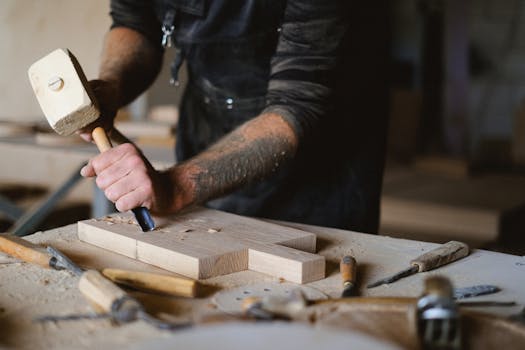
The essence of woodworking comes alive in the crafting phase. Here, artisans employ a blend of traditional tools like chisels and modern machinery to shape the wood into the envisioned form. This phase demands meticulous attention to detail and precision, as each manipulation of the wood can affect the integrity and aesthetics of the piece. The skill displayed in this stage is a direct reflection of an artisan's expertise and dedication.
Finishing: Enhancing and Protecting the Wood
The final step in the woodworking process is finishing, which involves sanding, staining, or painting the wood, followed by the application of a sealant. This not only enhances the visual appeal of the piece but also protects it from environmental elements and wear. The choice of finish can dramatically transform the look of the wood, highlighting its natural beauty and ensuring its longevity.
The Unique Appeal of Handcrafted Woodwork
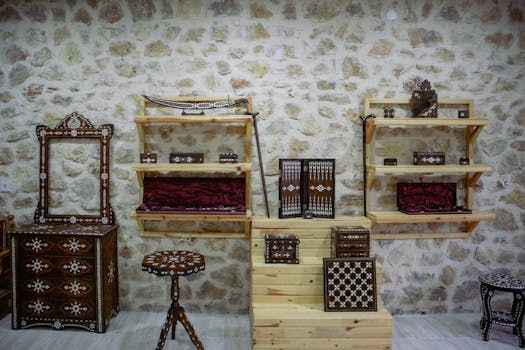
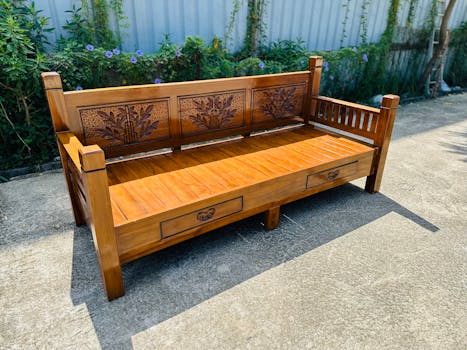
Handcrafted woodwork stands apart in its uniqueness. Unlike factory-produced items, each handcrafted piece bears the distinctive marks and nuances of its maker’s hand. These variations add a level of exclusivity and charm that is highly prized in the realms of interior design and home décor.
Furthermore, choosing handcrafted woodwork supports sustainability. Many artisans source their materials responsibly and employ techniques that minimize waste, contributing to environmental conservation. By purchasing handcrafted items, consumers not only support local craftspeople but also endorse eco-friendly practices.
Cultural and Historical Significance
Woodworking is deeply embedded in cultural traditions, reflecting the history and heritage of the regions from which they originate. Artisans preserve and pass down woodworking techniques through generations, keeping alive a rich legacy of craftsmanship. Each piece not only tells the story of its creator but also echoes the cultural narratives of its origins.
Conclusion
Handcrafted woodwork is a celebration of human creativity and skill, representing a harmonious blend of art, tradition, and sustainability. In a world leaning towards rapid mass production, handcrafted woodwork remains a poignant reminder of the value of the personal touch and the profound impact of preserving artisanal heritage. It invites us to appreciate the meticulous effort and passion embedded in each piece and encourages us to support a craft that stands as a testament to human ingenuity and cultural richness.