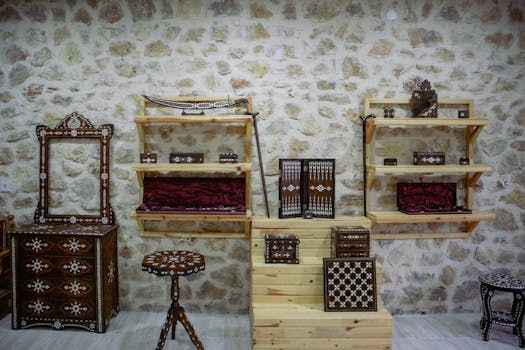
The Impact of Handcrafted Furniture on Home Decor Trends
In the realm of interior design, the inclusion of handcrafted furniture often brings with it a distinct aura of authenticity and individuality. As the world leans more towards personalization and sustainability, handcrafted furniture has surged in popularity, influencing home decor trends significantly. This article explores how handmade pieces are transforming our living spaces, impacting the latest interior design trends, and why they continue to hold such appeal.
The Rise of Artisanal Craftsmanship
.png)
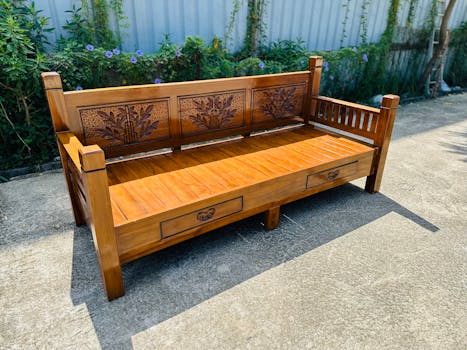
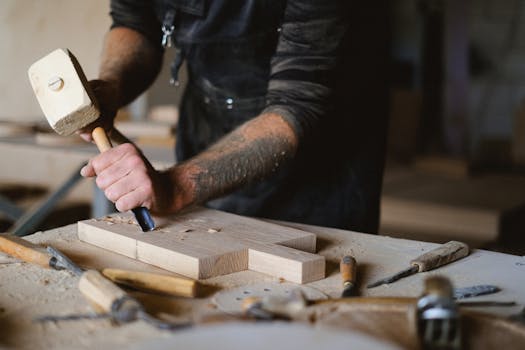
The shift towards handcrafted furniture can be largely attributed to a growing awareness and appreciation of artisanal craftsmanship. In a market saturated with mass-produced items, handcrafted furniture stands out for its uniqueness. Each piece is often the result of hours of labor by skilled artisans who use traditional methods passed down through generations. This human touch adds a story and a soul to each piece, something that factory-made furniture often lacks.
Sustainability and Ethical Consumerism
Today’s consumers are more environmentally conscious than ever before. Handcrafted furniture often utilizes locally sourced materials, reducing the carbon footprint associated with long-distance shipping of raw materials and finished goods. Moreover, the durability of handcrafted pieces means they don’t need to be replaced as often as their mass-produced counterparts, which aligns with the growing trend towards sustainability in consumer choices.
Customization and Personalization
One of the most significant impacts of handcrafted furniture on home decor trends is the ability for customization. Unlike mass-produced furniture, which comes in standard sizes and designs, handcrafted pieces can be tailored to meet the specific needs and preferences of an individual. This level of personalization is highly valued in contemporary interior design, where there is a strong focus on creating spaces that reflect the owner’s personality and lifestyle.
Aesthetic Appeal and Timelessness
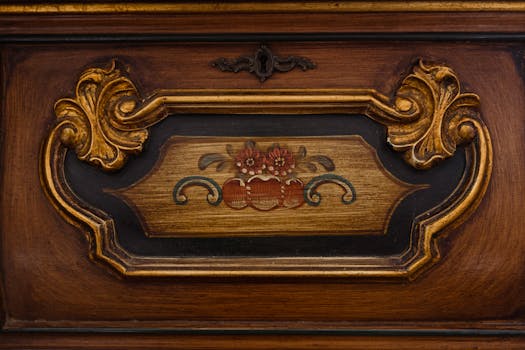
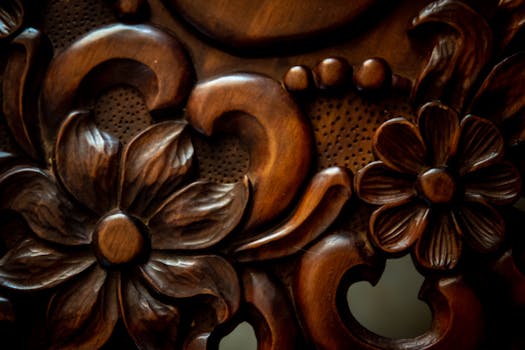
Handcrafted furniture often carries with it a timeless quality, thanks to the use of high-quality materials and techniques. These pieces can blend seamlessly with multiple decor styles, from rustic to modern minimalist. Additionally, the aesthetic appeal of handcrafted furniture – with its attention to detail and rich, natural textures – adds depth and character to any space. This versatility is a big reason why artisan furniture never seems to go out of style.
Economic Impact and Supporting Local Businesses
By choosing handcrafted furniture, consumers also support local artisans and small businesses, which is increasingly becoming a part of the decision-making process for many buyers. This support boosts local economies and helps preserve traditional crafts that might otherwise be at risk of dying out. Additionally, it promotes a more localized and sustainable model of production and consumption.
Psychological Benefits
The psychological impact of incorporating handcrafted items into home decor cannot be overlooked. Being surrounded by beautifully crafted objects that have been made with care and skill can enhance the feeling of comfort and sanctuary in one’s home. This connection to the artisanal process can make the space feel more grounded and authentic, which is soothing in today’s fast-paced world.
Challenges and Considerations
While the benefits are numerous, there are also challenges to integrating handcrafted furniture into modern home decor. The cost can be higher than that of mass-produced items, due to the labor-intensive nature of the craftsmanship. Additionally, the time required to produce a handmade piece can be longer, requiring buyers to plan their purchases well in advance.
Future Trends
Looking ahead, the demand for handcrafted furniture is only expected to grow. As more people seek out unique, sustainable, and high-quality items, the influence of artisanal furniture on home decor trends will likely continue to expand. Designers and homeowners alike are finding innovative ways to incorporate these pieces into homes, ensuring that the art of furniture-making continues to evolve while retaining its traditional roots.
Conclusion
The impact of handcrafted furniture on home decor trends is profound and multifaceted. From enhancing the aesthetic appeal of our spaces to promoting sustainability and supporting local economies, the benefits of incorporating artisanal pieces into our homes are clear. As we move forward, the appreciation for skilled craftsmanship and the desire for more personalized living spaces suggest that handcrafted furniture will remain a significant element in the world of interior design. Whether it’s a custom-designed coffee table or a handwoven textile, these pieces not only beautify our homes but also enrich our lives, making them worth the investment.