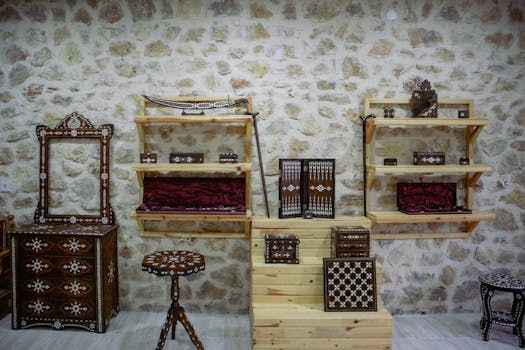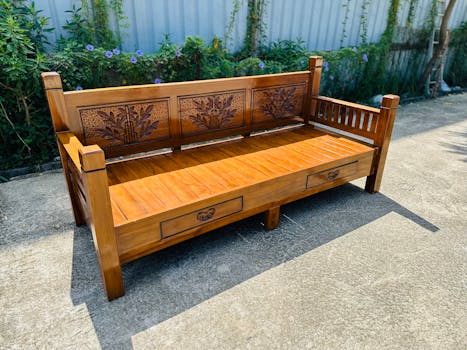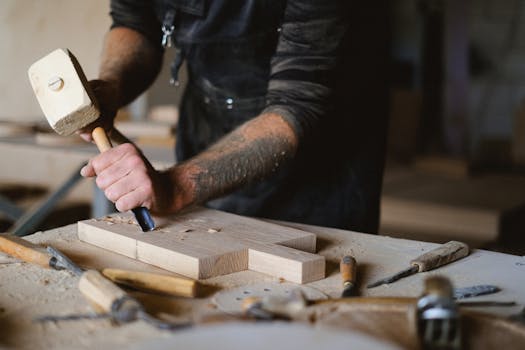
Handmade furniture and wood carving represent traditional crafts that blend artistic expression with functional design, distinguishing these pieces from their mass-produced counterparts. This article delves into the various techniques used in making handmade furniture and wood carving, highlighting how these methods contribute to the uniqueness and quality of artisanal creations.
The Art of Handmade Furniture
Handmade furniture is a testament to the craftsmanship of the artisan, beginning with the careful selection of quality woods such as oak, maple, or cherry. These woods are chosen for their durability and striking grain patterns. Seasoning the wood is a crucial step, ensuring it dries properly to prevent future warping or cracking.
.png)
Joinery Techniques
Joinery is fundamental in handmade furniture, focusing on how two pieces of wood are connected. Unlike factory-made furniture, which often uses nails or adhesives, handmade pieces rely on traditional joinery techniques that ensure lasting durability and aesthetic appeal:
- Dovetail Joints: Known for their interlocking design, dovetail joints are excellent for drawer construction as they provide superior resistance to pulling forces.
- Mortise and Tenon Joints: This classic joinery technique involves inserting a tenon into a corresponding mortise hole, offering enhanced strength, commonly used in making chairs and tables.
- Box Joints: Featuring square interlocking fingers, box joints are not only robust but also add a decorative touch to the furniture.
Finishing Techniques
The finishing process is crucial, involving staining, painting, or sealing the wood to protect it from environmental elements and to accentuate its natural beauty. Artisans may apply multiple layers of finish, sanding between each layer to achieve a smooth, refined surface.
The Craft of Wood Carving
Wood carving transforms a simple block of wood into intricate sculptures or decorative elements through detailed carving. This craft requires precise skills and an artistic vision to realize the potential of the raw material.
Carving Techniques
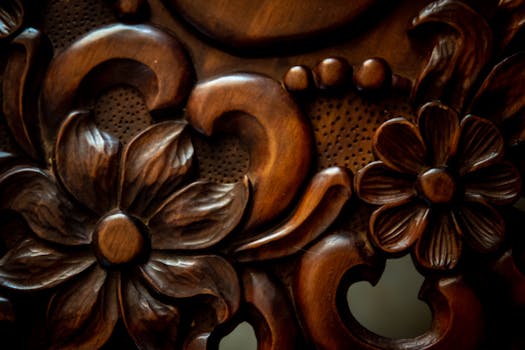
- Relief Carving: This technique involves carving figures into the wood, with the designs raised against a flat background, creating a striking three-dimensional appearance.
- Chip Carving: Typically involving geometric patterns, chip carving consists of removing small chips of wood to form a design.
- Carving in the Round: Advanced and intricate, this technique results in fully three-dimensional sculptures that can be appreciated from any angle.
Tools of the Trade
The precision of wood carving depends significantly on the tools used. Sharp chisels, gouges, and knives are crucial for detailed and accurate work. Each tool serves a specific purpose, from rough shaping to fine detailing.
Combining Techniques for Unique Creations
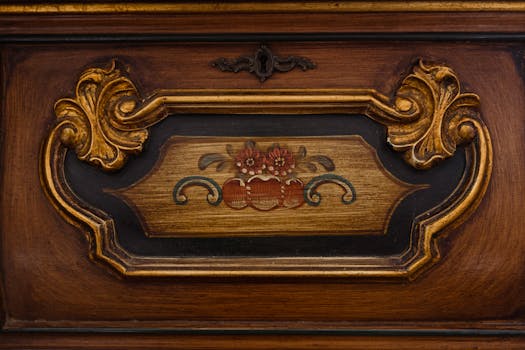
Many furniture makers integrate wood carving into their designs, transforming basic pieces into stunning, functional art. For instance, a cabinet door adorned with carved floral designs can elevate a simple piece to the focal point of any room.
The Importance of Handmade Furniture and Wood Carving Today
In today's era of mass production, handmade furniture and wood carving stand out for their superior quality and the rich history they embody. Each piece not only reflects the artisan's skill and creativity but also adds a unique, personal touch to the space it inhabits.
Moreover, these crafts play a crucial role in preserving traditional skills and offer an environmentally friendly alternative to mass-produced goods. Handcrafted items are typically made from locally sourced materials and are built to last, opposing the disposable nature of many modern products.
Conclusion
Understanding the techniques behind handmade furniture and wood carving allows us to appreciate the meticulous attention to detail and the dedication of the artisans. For enthusiasts, collectors, or those who value fine craftsmanship, these insights enhance the appreciation of these enduring art forms. As we embrace technological advancements, it's equally important to preserve and value the timeless beauty and durability of handcrafted furniture and wood carvings.