Handcrafted furniture and wood carving are not merely decorative or utilitarian items but are profound expressions of cultural heritage and individual creativity. These traditional crafts highlight the human capacity for innovation and the dedication to preserving age-old techniques even in a rapidly modernizing world.
The origins of handcrafted furniture can be traced back to ancient civilizations, where artisans created functional and decorative pieces that reflected their society's aesthetic and cultural values. In ancient Egypt, for example, woodworkers crafted elaborate furniture that was both a symbol of wealth and a requisite for the afterlife. Similarly, classical Chinese furniture is renowned for its precise joinery and elegant lacquerwork, showcasing a refined aesthetic that has influenced design philosophies worldwide.
Wood carving, as an art form, varies significantly from region to region, each with its own set of motifs and techniques that tell the story of its people and place. In Bali, wood carvings often depict scenes from Hindu mythology, incorporating intricate patterns that require high levels of expertise and patience. Scandinavian woodwork, on the other hand, tends to favor simplicity and functionality, though it is equally skilled and time-consuming.
.png)
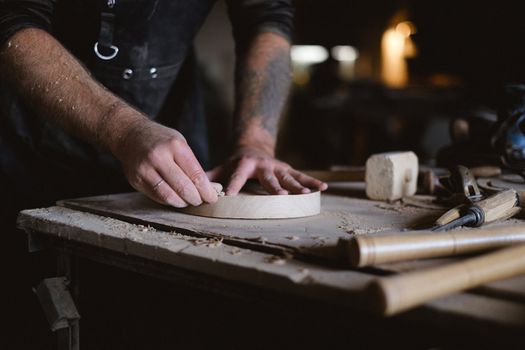
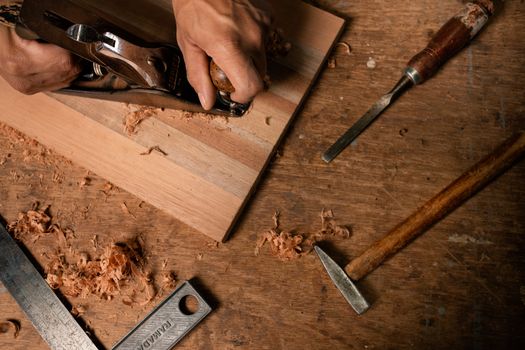
The technique of creating handcrafted furniture and wood carvings involves a deep understanding of the material. Artisans choose wood not only for its aesthetic qualities but also for its durability and workability. Tools such as chisels, knives, and saws are used with precision, transforming raw wood into detailed artworks or functional furniture pieces. This process is not only a technical challenge but also a form of artistic expression, allowing the craftsman to embed a part of themselves into the work.
Culturally, these crafts are significant as they embody the traditions and skills passed down through generations. In many communities, these practices are a source of pride and identity, connecting people to their ancestors and cultural history. Moreover, handcrafted items are inherently unique, each with its own story and character, standing in stark contrast to the homogeneity of mass-produced goods.
Environmentally, handcrafted furniture and wood carving practices promote sustainability. The use of local and natural materials, along with methods that require low energy compared to factory production, minimizes environmental impact. Furthermore, the longevity of these pieces means that they are less likely to contribute to consumer waste, often becoming family heirlooms that carry historical significance.
Despite the modern challenges these traditional crafts face, such as competition from mass-produced goods and the dwindling number of skilled artisans, there is a growing appreciation and demand for handcrafted items. This resurgence is partly fueled by consumer desire for sustainable and meaningful products in a disposable culture.
Craft fairs, online marketplaces, and artisan cooperatives play crucial roles in supporting these crafts by providing platforms for artisans to showcase their work and sustain their livelihoods. These venues also help educate the public about the value of handcrafted goods and the importance of preserving such crafts.
In promoting and preserving handcrafted furniture and wood carving, we not only celebrate artistic achievement and cultural diversity but also advocate for sustainable practices and meaningful consumerism. As we look forward, supporting these traditional crafts is essential for maintaining our connection to the past and ensuring that these skills do not vanish in the face of globalization and technological advancement.
In essence, handcrafted furniture and wood carving are vibrant testaments to human ingenuity and cultural richness. They remind us that behind every crafted piece is a story of tradition, perseverance, and the human touch—a narrative far richer and more personal than anything mass production can offer.