Furniture from Recycled Materials: What are the Advantages and Disadvantages?
Sustainability has become a driving force in today’s furniture industry, with consumers increasingly aware of their environmental footprint. As a result, furniture made from recycled materials is no longer a niche concept—it’s gaining mainstream momentum. From reclaimed wood tables to chairs crafted from repurposed plastics, recycled furniture offers a blend of eco-conscious design and creative innovation. But what are the true advantages and disadvantages of choosing furniture made from recycled materials? This article explores the intricacies of recycled furniture, delving into its environmental impacts, performance, aesthetics, costs, and future trends.
The Environmental Impact of Recycled Furniture
The primary motivation behind using recycled materials in furniture production is, unsurprisingly, environmental preservation. According to the Environmental Protection Agency (EPA), over 12 million tons of furniture and furnishings were discarded in the United States in 2018 alone. Much of this ends up in landfills, contributing to greenhouse gas emissions and resource depletion.
By choosing furniture made from recycled materials, consumers can help reduce waste and conserve natural resources. For example, using reclaimed wood salvages trees that would otherwise be felled, and repurposing plastics reduces the need for new petroleum-based products. The Ellen MacArthur Foundation reports that recycling 1 ton of plastic saves up to 2,000 gallons of gasoline.
.png)
However, the environmental benefits are not always straightforward. Some recycled materials require significant energy for processing and transportation. For instance, recycling metals such as aluminum for furniture frames is energy-intensive, although still less so than extracting virgin materials. The key is finding a balance: sourcing materials locally and using efficient recycling processes can maximize the ecological advantages.
Durability and Performance: How Recycled Materials Stack Up
A common concern among consumers is whether recycled furniture is as durable and functional as its traditional counterparts. The answer depends largely on the type of material and the quality of the manufacturing process.
Reclaimed wood, often sourced from old barns or industrial buildings, is usually harder and more durable than new-growth lumber. This is because older wood tends to be denser and better seasoned. In fact, a 2021 study by the Forest Stewardship Council found that reclaimed oak can have up to 20% higher density than modern oak, translating to increased longevity for furniture pieces.
On the other hand, recycled plastics vary widely in strength and quality. High-density polyethylene (HDPE) from recycled milk jugs is commonly used for outdoor furniture, boasting impressive resistance to moisture, rot, and insects. However, lower-quality plastics may be more prone to warping or degradation under UV exposure.
Metal furniture made from recycled aluminum or steel is typically as robust as those made from virgin metals, provided the recycling process adheres to strict quality controls. In summary, when crafted with care, furniture from recycled materials can meet or even exceed the durability of traditional options.
Aesthetic Diversity: Creativity Unleashed
One of the most exciting aspects of recycled furniture is its potential for unique and eye-catching design. Artisans and large manufacturers alike are experimenting with innovative ways to repurpose materials, resulting in pieces that are not only functional but also conversation starters.
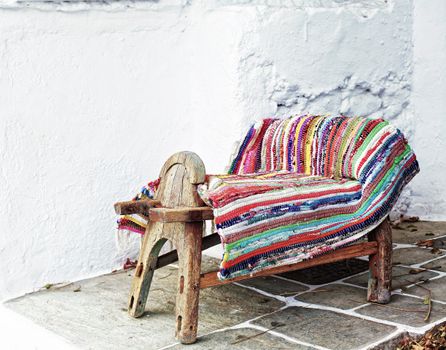
Reclaimed wood often features a rich patina, knots, and weathered textures that can’t be replicated with new lumber. Each piece tells a story, with visible nail holes or saw marks offering a tangible link to its previous life. Designers are also blending materials—think glass tabletops on recycled metal bases or patchwork plastic chairs—to create eclectic, modern looks.
The use of recycled materials also allows for a wide range of color and finish options. For example, plastics can be melted and dyed into vibrant hues, while metals can be powder-coated for a sleek appearance. This flexibility makes recycled furniture a favorite among those seeking personalized, one-of-a-kind décor.
However, this diversity comes with a caveat: consistency. Because recycled materials can vary in color, grain, or texture, some pieces may not have the uniform appearance of mass-produced furniture. For some, this is part of the charm; for others, it may be perceived as a drawback.
Cost Considerations: Is Recycled Furniture Cheaper?
One of the most frequently asked questions is whether furniture from recycled materials is more affordable than traditional furniture. The answer is nuanced and depends on several factors, including material availability, production methods, and brand positioning.
Here is a comparative overview of average price ranges for various furniture types:
| Furniture Type | Recycled Material Average Price | Traditional Material Average Price |
|---|---|---|
| Dining Table (Wood) | $600 - $2,000 | $800 - $2,500 |
| Outdoor Chair (Plastic) | $50 - $300 | $40 - $250 |
| Coffee Table (Metal/Glass) | $200 - $800 | $250 - $900 |
As reflected above, prices for recycled furniture can be comparable to or even lower than traditional options, particularly when using abundant materials like recycled plastics. However, handcrafted pieces made from rare reclaimed woods can command premium prices due to the labor involved in processing, cleaning, and finishing the materials.
Additionally, the cost savings associated with recycled materials are often offset by higher manufacturing or certification expenses, such as ensuring the safety and quality of repurposed components. Consumers should carefully evaluate the trade-off between upfront cost and long-term value, especially since recycled furniture can offer extended longevity.