Handcrafted Furniture vs. Mass Production: Unpacking the Price Comparison
The world of furniture shopping is a landscape filled with choices, ranging from sleek, factory-produced pieces to unique, handcrafted works of art. One of the most common questions buyers face is whether the price tag on handcrafted furniture is justified, or if mass-produced options offer better overall value. This article delves into the price comparison between handcrafted furniture and mass production, exploring not just the numbers, but also the factors behind them. We'll examine the long-term costs, value considerations, and what those price differences mean for your home, your wallet, and the planet.
The True Cost: How Handcrafted and Mass-Produced Furniture Prices Differ
The price gap between handcrafted and mass-produced furniture is immediately obvious in any showroom or online store. For example, a handcrafted solid oak dining table might retail for $2,500 to $6,000, while a similar-sized mass-produced table could be priced anywhere from $300 to $1,000. But what drives these differences?
.png)
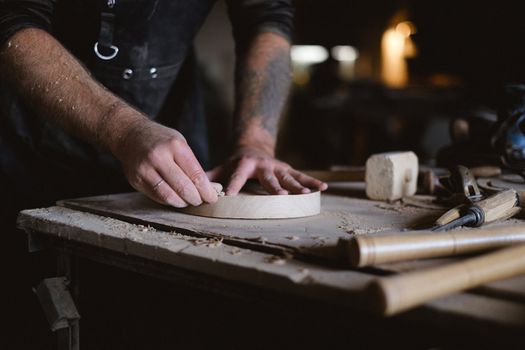
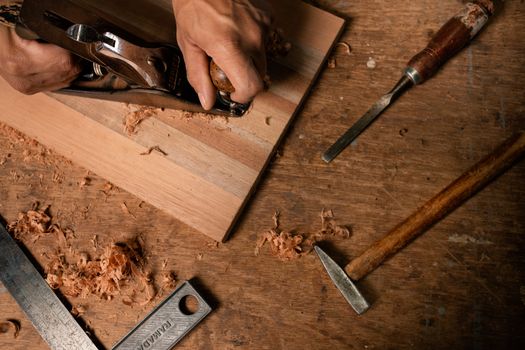
Handcrafted furniture is typically made by skilled artisans, often using traditional techniques and high-quality, solid materials. These pieces can take days or even weeks to complete, reflecting intensive labor and craftsmanship. In contrast, mass-produced furniture is designed for efficiency: factories can churn out thousands of identical units in a day, using engineered wood or composite materials to keep costs low.
A 2023 survey by Statista found that the average American household spends about $2,600 per year on furniture, with nearly 70% of purchases made from mass-market retailers like IKEA, Walmart, and Target. Less than 10% of consumers reported buying from bespoke or artisan makers, largely due to price concerns.
Breaking Down the Price: What Are You Really Paying For?
To fully appreciate the price comparison, it’s crucial to dissect the elements that contribute to the cost of both handcrafted and mass-produced furniture. Here’s how the two stack up in terms of materials, labor, and distribution:
| Factor | Handcrafted Furniture | Mass-Produced Furniture |
|---|---|---|
| Materials | Solid hardwoods, natural finishes, often locally-sourced | Engineered wood, veneers, laminates, mass-bought |
| Labor | Skilled artisan labor, small batch or made-to-order | Assembly-line workers, automated processes |
| Production Time | 1-8 weeks per piece | Minutes to hours per piece |
| Design | Unique, often customizable, attention to detail | Standardized, limited customization |
| Distribution | Direct from workshop or boutique retailers | Large retail chains, global distribution |
| Price Range (Dining Table) | $2,500 - $6,000+ | $300 - $1,000 |
In essence, when you pay for handcrafted furniture, you’re investing in quality materials, skilled labor, and a unique design. With mass production, you’re benefiting from economies of scale and lower material costs, but at the expense of uniqueness and, often, durability.
Longevity and Total Cost of Ownership: Looking Beyond the Price Tag
The initial purchase price is just one part of the equation. Longevity and the total cost of ownership are crucial when comparing handcrafted and mass-produced furniture. According to a 2022 survey by Consumer Reports, consumers replace mass-produced furniture every 7-10 years on average. In contrast, well-maintained handcrafted furniture can last 30 years or more, and is often passed down through generations.
Let’s consider a practical example:
- A mass-produced sofa costing $800 may last 8 years, requiring replacement three times over 24 years, totaling $2,400. - A handcrafted sofa priced at $3,000 might last 25 years or longer with minimal repairs.While the upfront investment for handcrafted furniture is higher, the long-term cost can actually be lower or comparable, especially when factoring in the reduced need for replacement and repairs. In addition, handcrafted furniture often retains higher resale value in secondhand markets. For instance, vintage Stickley or Thos. Moser chairs from the 1980s often sell for 70-80% of their original retail price at auction, decades later.
Customization, Uniqueness, and Emotional Value
One of the hallmark differences between handcrafted and mass-produced furniture is the potential for customization and uniqueness. Custom, handcrafted pieces can be tailored to fit your space, match your décor, and even incorporate personal touches like engravings or special finishes. This level of personalization is virtually impossible with mass-produced furniture, which is designed for broad appeal and standard dimensions.
Beyond aesthetics, handcrafted furniture often carries an emotional value—buyers may develop a connection with the piece and its maker, knowing the origin story and appreciating the artistry involved. According to a 2021 survey by The Furniture Society, 63% of handcrafted furniture buyers cited “uniqueness” and “emotional connection” as primary reasons for their purchase, compared to just 11% among mass-produced furniture buyers.
This emotional value can translate into a greater sense of satisfaction and pride in one’s home, something that can’t easily be measured in dollars and cents, but is nonetheless a significant part of the decision-making process.
Environmental and Ethical Considerations Impacting Cost
Sustainability and ethics are increasingly important in consumer decisions, and these factors also shape the price comparison between handcrafted and mass-produced furniture. Handcrafted furniture makers often use locally-sourced, sustainably harvested wood and non-toxic finishes. Many artisans are transparent about sourcing, and small-scale production results in less waste.
In contrast, mass production is notorious for its environmental impact. According to the Environmental Protection Agency (EPA), U.S. furniture manufacturing generates over 9 million tons of waste annually, much of it from disposable, lower-quality items. Additionally, mass production often relies on overseas labor, raising concerns about fair wages and working conditions.
While these ethical and environmental considerations can make handcrafted furniture more expensive, many buyers are willing to pay a premium for peace of mind. A 2023 Nielsen report found that 46% of American consumers are willing to spend more on products from companies committed to positive social and environmental impact.
When Does Mass-Produced Furniture Make Sense?
Despite the many advantages of handcrafted pieces, mass-produced furniture has a rightful place in the market. For students, renters, or those furnishing a home on a tight budget, mass-produced options offer affordability and immediate availability. The lower upfront cost makes it possible to furnish an entire room for the price of a single handcrafted table.
Mass-produced furniture is also ideal for temporary spaces or areas subject to heavy wear and tear—think children’s playrooms, college apartments, or short-term rentals. The convenience of online ordering and flat-pack shipping is a significant advantage, making it easy to update or replace furniture as needs change.
For buyers who prioritize cost or need to furnish quickly, mass production is the practical choice. The challenge is to balance short-term savings with long-term value and to make mindful decisions about quality and durability.
Final Reflections: Finding Value in Your Furniture Investment
The price comparison between handcrafted and mass-produced furniture is about more than just dollars and cents. Handcrafted pieces command a higher upfront cost, but they often deliver greater longevity, uniqueness, and emotional satisfaction. Over a lifetime, the total cost of ownership can be comparable to or even less than buying and replacing mass-produced furniture several times.
On the other hand, mass-produced furniture serves an important role for those on a budget, those needing quick solutions, or furnishing spaces where investment in heirloom quality isn’t a priority. The key is to weigh your needs, budget, values, and long-term plans before making a purchase.
Whether you choose handcrafted or mass-produced, being informed about what goes into each option helps ensure your furniture investment is aligned with your needs, style, and values.