Handcrafted Furniture: Incorporating Nature into Home Decor
Bringing the outdoors inside has become one of the most sought-after design trends in modern homes. But while a few potted plants or botanical prints can freshen up a room, nothing captures the authentic spirit of nature quite like handcrafted furniture. These unique pieces, shaped by human hands from natural materials, don’t just furnish a space—they tell stories, celebrate artistry, and invite the tranquility of the natural world into our daily lives. Let’s take a deep dive into how handcrafted furniture serves as a bridge between the untamed beauty of nature and the comforts of home, and how you can thoughtfully incorporate these organic masterpieces into your own decor.
The Natural Materials That Define Handcrafted Furniture
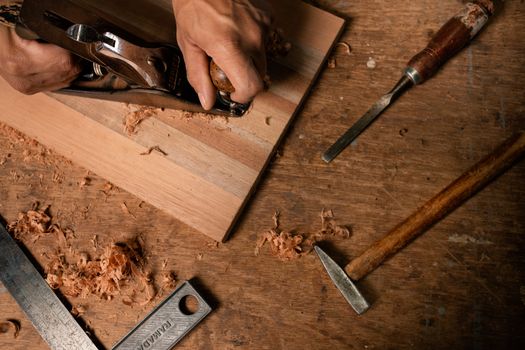
Handcrafted furniture is distinguished by its use of authentic, often locally sourced materials. The most common material by far is solid wood, but the range extends to stone, rattan, bamboo, and even reclaimed natural elements like driftwood or tree roots. Each material brings a distinct texture, color, and character to furniture, ensuring no two pieces are exactly alike.
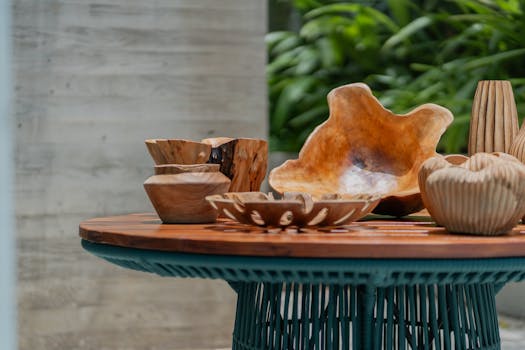
For instance, American black walnut is prized for its deep, chocolate hues and dramatic grain patterns, making it a favorite for statement dining tables. In contrast, lighter woods like maple or ash infuse rooms with an airy, Scandinavian vibe. The irregularities found in hand-picked slabs—knots, burls, or live edges—are celebrated rather than hidden, creating a direct visual connection to the forests and landscapes where the materials originated.
.png)
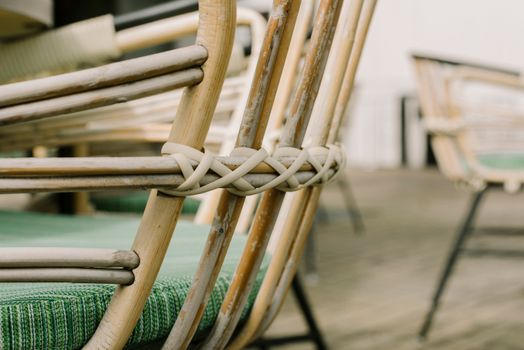
Stone-topped tables or stools, often featuring marble, granite, or slate, offer tactile coolness and a sense of permanence. Natural fibers such as rattan and bamboo are woven by hand to create lightweight but sturdy seating or shelving, echoing tropical or coastal environments.
Choosing handcrafted furniture made from these materials isn’t just an aesthetic decision—it’s an environmental one, too. According to the World Wildlife Fund, furniture made from sustainably sourced wood can reduce deforestation impacts by up to 50% compared to mass-produced alternatives. Moreover, many artisans use non-toxic finishes and natural oils, preserving the purity of the material and contributing to healthier indoor air quality.
Biophilic Design: The Science Behind Nature-Inspired Interiors
The appeal of handcrafted, nature-infused furniture goes beyond its visual beauty. There is mounting scientific evidence that integrating natural elements into indoor environments—an approach known as biophilic design—can have powerful effects on our wellbeing. Studies published in the International Journal of Environmental Research and Public Health have shown that exposure to natural materials and organic forms indoors can reduce stress by up to 15%, improve mood, and even boost cognitive performance.
Handcrafted furniture plays a critical role in biophilic design by providing tangible, sensory connections to the outdoors. The warmth of a solid oak bench, the curve of a live-edge walnut shelf, or the touch of smooth stone on a coffee table all stimulate our senses in ways that manufactured, artificial materials rarely can. These subtle cues help foster a calming, restorative atmosphere—something especially valuable in today’s fast-paced, technology-saturated world.
Designers recommend pairing handcrafted furniture with plenty of natural light, indoor plants, and earth-toned textiles to maximize the biophilic effect. The result is a harmonious space that nourishes body and mind.
Celebrating Imperfection: Wabi-Sabi and Organic Forms
One of the distinguishing features of handcrafted furniture is its embrace of imperfection—a philosophy rooted in the Japanese concept of wabi-sabi. This worldview finds beauty in asymmetry, irregularity, and the natural aging process. Rather than striving for flawless symmetry or uniformity, artisans intentionally highlight knots, cracks, and variations in grain, transforming what might be considered flaws into focal points.
For example, a hand-carved coffee table may showcase a split running through its center, stabilized with a traditional butterfly joint. A live-edge dining table preserves the original contour of the tree, making the edge as much a part of the design as the tabletop itself. These organic forms are not only visually captivating but also serve as reminders of the furniture’s origin in the living world.
Wabi-sabi-inspired pieces pair well with minimalist interiors, where their sculptural qualities can shine. They also complement eclectic and bohemian decor styles, adding depth and a story-rich layer to the space.
Comparing Handcrafted and Mass-Produced Furniture: A Nature-First Perspective
To fully appreciate the impact of handcrafted furniture in home decor, it’s useful to compare it with mass-produced options, particularly through the lens of nature and sustainability. Here’s a data-driven comparison:
| Feature | Handcrafted Furniture | Mass-Produced Furniture |
|---|---|---|
| Materials | Natural, often locally sourced wood, stone, fiber | Engineered wood, veneers, plastics, composites |
| Environmental Impact | Low, especially with sustainable sourcing (up to 50% fewer emissions, per WWF) | High, due to deforestation, energy use, and pollution |
| Uniqueness | One-of-a-kind, organic forms, visible imperfections | Identical copies, uniform appearance |
| Lifespan | Often exceeds 30 years, repairable | 5-10 years on average, often disposable |
| Connection to Nature | Strong—tactile, visual, and emotional | Minimal—limited sensory experience |
This comparison makes it clear: if your goal is to create a nature-inspired home, handcrafted furniture offers significant advantages in authenticity, sustainability, and long-term value.
Signature Pieces: How to Incorporate Handcrafted Nature into Every Room
Bringing handcrafted, nature-centric furniture into your home doesn’t require a complete overhaul. In fact, a few well-placed pieces can transform the ambience of an entire room. Here are some ideas for incorporating nature through artisan furniture in various spaces:
Living Room: A solid wood coffee table with a live edge or a hand-carved sideboard can serve as a dramatic centerpiece, grounding the space. Pair with woven rattan chairs or a bamboo bookshelf for a layered, textural look.
Bedroom: Choose a reclaimed wood bed frame or a set of bedside tables made from locally sourced hardwood. The tactile warmth of real wood can promote relaxation and restful sleep.
Dining Room: A hand-joined dining table becomes the heart of the home, encouraging gathering and conversation. Complement with handwoven chairs or benches upholstered in natural fibers like linen or hemp.
Entryway: Make a memorable first impression with a custom console table carved from a single slab of stone or a sculptural wooden bench. These pieces set the tone for the home’s natural theme from the moment guests arrive.
Bathroom: Even small spaces can benefit from nature-inspired touches. A reclaimed wood vanity, stone vessel sink, or woven storage baskets add organic sophistication to the bathroom.
The key is to focus on quality over quantity. According to a 2023 survey by the American Society of Interior Designers, 62% of homeowners reported that a single handcrafted piece had a greater impact on their decor than multiple mass-produced items.
The Emotional and Cultural Value of Nature-Based Handcrafted Furniture
Handcrafted furniture is more than a design choice—it’s an investment in heritage, sustainability, and emotional connection. Each artisan-crafted piece carries with it the story of the maker, the region where the materials were sourced, and the traditional techniques passed down through generations.
For example, Shaker-style furniture from the northeastern United States is renowned for its simplicity and functionality, reflecting the values of the community that created it. In Scandinavia, centuries-old woodworking methods are still used to craft minimalist, nature-embracing designs that have become global icons.
On a personal level, owning handcrafted furniture can create a powerful sense of belonging and continuity. Heirloom-quality pieces are often cherished for decades, passed from one generation to the next, gathering layers of memory and meaning. This emotional resonance is part of what makes handcrafted, nature-inspired furniture so enduringly popular.
Bringing Nature Home: Final Thoughts on Handcrafted Furniture
Incorporating handcrafted furniture into home decor is about more than following a trend—it’s a mindful choice that reconnects us with the natural world, honors traditional craftsmanship, and transforms our living spaces into sanctuaries of beauty and calm. Whether you’re drawn to the dramatic grain of a solid wood table, the gentle curve of a hand-carved chair, or the cool touch of a stone bench, these pieces have the power to make nature an everyday presence in your home.
By choosing artisan furniture, you support local makers, preserve the environment, and invest in objects that will bring joy and meaning for years to come. So, as you embark on your next design project, consider letting nature take center stage—one handcrafted piece at a time.