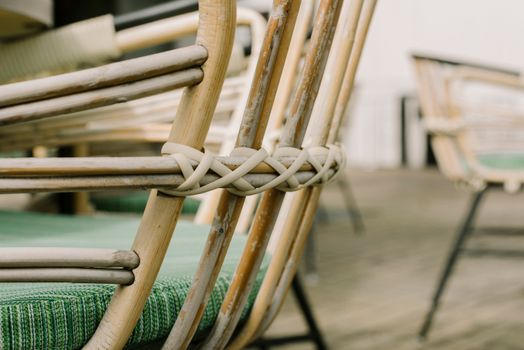
Handmade furniture has always been synonymous with craftsmanship, uniqueness, and quality. In a world saturated with mass-produced goods, more people are turning to artisanal pieces to express their style and values. But what styles of handmade furniture are capturing hearts and homes in 2024? From the resurgence of classic techniques to bold new blends of materials and cultural motifs, today’s trends reflect both a respect for tradition and a drive for innovation. In this article, we will explore the most popular and emerging styles in handmade furniture, look at what’s driving their popularity, and provide inspiration for anyone considering a new addition to their living space.
The Rise of Modern Rustic: Blending Nature and Minimalism
One of the most significant trends in handmade furniture is the modern rustic style. This approach combines the warmth and texture of natural materials with the clean lines and simplicity favored in contemporary design. Unlike traditional rustic, which can feel heavy or ornate, modern rustic is all about balance and subtlety.
Key features include: - Use of reclaimed wood, often with visible knots and grain - Simple, geometric silhouettes - Neutral color palettes with occasional earthy accents - Minimal hardware, often in blackened steel or aged brassA 2023 survey by Statista found that 41% of consumers interested in handmade furniture cited “natural materials” as a top priority. Modern rustic pieces, such as live-edge dining tables or streamlined oak sideboards, deliver on this preference while maintaining a fresh, uncluttered look.
.png)
One standout example is the combination of walnut slab tops with matte black metal legs—a pairing that brings together the organic and industrial in a way that feels both timeless and current. These pieces are especially popular in open-plan living spaces, where they can act as a visual anchor without overwhelming the room.
Japandi: Where Scandinavian Calm Meets Japanese Elegance
Japandi is a fusion style that merges Scandinavian functionality and comfort with Japanese minimalism and elegance. This trend has gained momentum in the last two years, thanks in part to its harmony with smaller urban living spaces and a global appreciation for mindful, intentional design.
Typical elements of Japandi handmade furniture: - Low-profile, functional forms - Use of light-colored woods like ash, beech, or maple - Soft, muted color schemes—think pale greys, off-whites, and sage greens - Subtle, handcrafted details like exposed joinery and handwoven cane surfacesHandmade Japandi pieces often prioritize craftsmanship over ornamentation. For example, a handcrafted futon bed with integrated storage or a solid ash coffee table with gently splayed legs exemplifies this approach. According to Google Trends, searches for “Japandi furniture” increased by 38% between 2022 and 2024, signaling a sustained interest in this calming aesthetic.
This style is particularly appealing for those seeking a serene, clutter-free environment that doesn’t sacrifice warmth or character—attributes highly valued in today’s fast-paced world.
Bold Artisanal Statements: Maximalist and Eclectic Handmade Furniture
While minimalism remains popular, there is a counter-movement toward bold, expressive, and eclectic handmade furniture. These pieces stand out for their vibrant colors, intricate patterns, and inventive use of materials. In fact, interior design platform Houzz reported a 25% increase in searches for “colorful handmade furniture” in 2023.
What sets this style apart: - Unconventional combinations of materials (e.g., reclaimed wood with resin inlays, or metal with hand-painted ceramic tiles) - Rich, saturated colors like emerald green, cobalt blue, and mustard yellow - Playful shapes, such as curved sofas or irregular tabletops - Decoratively carved or painted elements, often inspired by global folk artThis movement celebrates individuality and creativity. Artisans may collaborate with local artists to incorporate hand-painted motifs or experiment with upcycled materials for a truly one-of-a-kind look. For instance, a hand-carved credenza featuring colorful inlaid tiles can serve as a centerpiece in a dining room or entryway.
Bold handmade furniture is ideal for those who view their home as a canvas for self-expression and are unafraid of mixing styles, textures, and colors for dramatic impact.
Heritage Revival: Classic Techniques, Modern Appeal
Another current trend is the revival of classic furniture-making techniques, such as mortise-and-tenon joinery, hand-dovetailing, and marquetry. What’s new is how these time-honored methods are being applied to pieces with updated lines and proportions, making them relevant for today’s interiors.
Features of this trend include: - Visible joinery as a design element - Hand-turned legs and spindles - Use of traditional woods like cherry, walnut, and mahogany - Subtle updates to classic silhouettes (e.g., slimmer profiles, integrated technology)For example, a handmade Windsor chair with an exaggerated high back or a Shaker-inspired sideboard with hidden USB charging ports exemplifies this blend of past and present. According to the American Home Furnishings Alliance, sales of heritage-inspired handmade furniture grew by 17% in 2023, as consumers sought investment pieces that tell a story.
This style resonates with those who appreciate the narrative and skill behind each piece, as well as the assurance of durability and longevity that comes from artisanal construction.
Sustainable and Upcycled: Eco-Conscious Furniture Design
Sustainability is no longer just a buzzword—it’s a decisive factor in furniture buying choices. Handmade furniture makers are leading the way with environmentally friendly practices, using responsibly sourced wood, non-toxic finishes, and upcycled materials.
Current sustainable trends include: - Furniture made from reclaimed barn wood or salvaged beams - Use of bamboo, rattan, or cork for lightweight, renewable options - Incorporation of recycled metals and textiles - Natural oil or water-based finishes in place of chemical lacquersA study by the National Retail Federation in 2023 revealed that 62% of shoppers considered environmental impact when purchasing home goods, with 29% specifically seeking out upcycled or recycled materials. Handmade eco-chic pieces, such as a bench made from old railway ties or a bookshelf crafted from repurposed wine crates, appeal to environmentally conscious consumers who want style without compromise.
This trend is also driving innovation, as artisans experiment with new materials—like mushroom-based “mycelium leather” or recycled ocean plastics—to create furniture that’s both beautiful and gentle on the planet.
Comparing Handmade Furniture Styles: Key Characteristics
To help visualize the differences among these popular handmade furniture styles, here’s a comparative overview:
| Style | Main Materials | Color Palette | Design Focus | Ideal For |
|---|---|---|---|---|
| Modern Rustic | Reclaimed wood, metal | Neutrals, earth tones | Natural texture, simplicity | Open-plan, warm minimalism |
| Japandi | Light wood, cane, wool | Soft neutrals, muted greens/blues | Minimalism, craftsmanship | Serene, small-space living |
| Maximalist/Eclectic | Mixed materials, bold finishes | Vibrant, saturated hues | Expression, pattern, color | Artful, statement interiors |
| Heritage Revival | Traditional hardwoods | Rich natural wood, classic hues | Joinery, tradition, updates | Classic with a twist |
| Sustainable/Upcycled | Reclaimed, recycled, renewables | Natural, varied | Eco-friendly, innovation | Green living, conscious buyers |
Choosing the Right Handmade Furniture Style for Your Space
With so many exciting handmade furniture styles trending, how do you choose the right one for your home? Start by considering your practical needs, your existing décor, and your personal values.
- For those who prioritize warmth and organic textures, modern rustic or Japandi offer natural beauty with a contemporary edge. - If you love bold statements and want your furniture to reflect your personality, maximalist and eclectic pieces are sure to delight. - Heritage revival styles are perfect for those who appreciate the artistry and longevity of classic craftsmanship, but still want something fresh. - Eco-conscious buyers can opt for sustainable or upcycled handmade furniture, enjoying both style and peace of mind.Don’t be afraid to mix and match—many designers now recommend blending different styles to create a layered, personalized look. For example, pair a modern rustic dining table with Japandi-inspired chairs, or add a single maximalist accent piece to a more restrained space.
Whichever style you select, handmade furniture brings a sense of authenticity and meaning that mass-produced items simply can’t match.
Embracing the Handmade Furniture Movement: Final Thoughts
The current handmade furniture trends reflect a broader movement toward individuality, sustainability, and a deeper connection to the objects in our homes. Whether you gravitate toward the calming lines of Japandi, the exuberance of maximalist designs, or the enduring character of heritage revival, there’s never been a better time to invest in handmade furniture that tells your unique story.
By supporting artisans and choosing pieces crafted with care, you’re not only enhancing your living space but also contributing to a more thoughtful, sustainable, and beautiful world.