The Enduring Appeal of Handmade Furniture: Built to Last
In a world where convenience often trumps quality, handmade furniture emerges as a beacon of durability and artistry. Crafted with meticulous attention to detail and superior materials, handmade pieces are more than just furniture; they are long-lasting heirlooms that blend functionality with aesthetic appeal. Here’s why choosing handmade furniture is a wise decision for those who value sustainability, style, and substance.
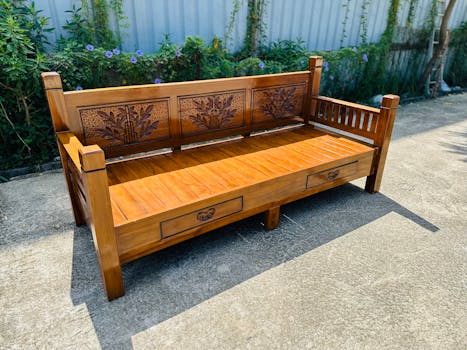
Superior Quality Materials Handmade furniture starts with the selection of high-quality materials that are often superior to those used in mass production. Artisans typically choose durable woods like oak or walnut, which not only last longer but also age beautifully. Metal fittings are usually of higher grade, and the fabrics are chosen for longevity and appearance. This careful selection of materials helps ensure that the furniture will withstand daily use and maintain its integrity over decades.
.png)
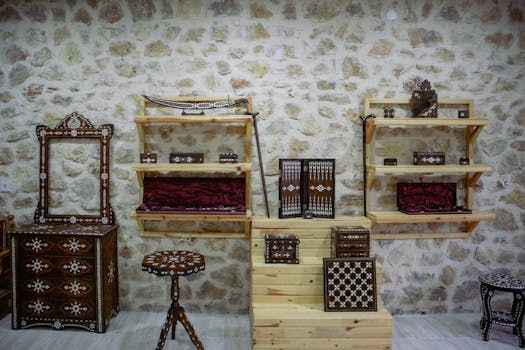
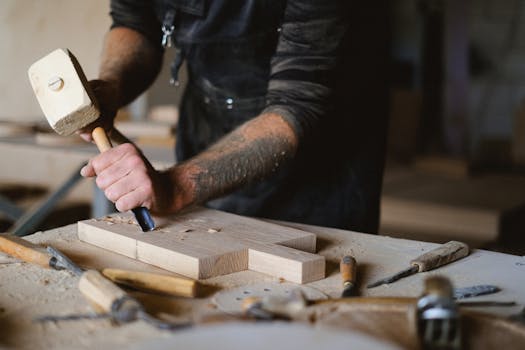
Exceptional Craftsmanship The craftsmanship in handmade furniture is unparalleled. Artisans pour hours of labor into each piece, often employing techniques handed down through generations. This results in robust construction with tight joints and smooth finishes that mass-produced items cannot match. The level of detail and care put into handmade furniture not only enhances its durability but also its beauty and uniqueness.
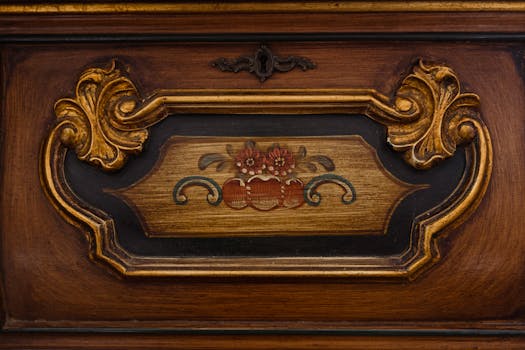
Timeless Design Unlike mass-produced furniture that often caters to fleeting design trends, handmade pieces typically boast timeless aesthetics that transcend current fashions. This classic approach ensures that the furniture never looks outdated and can be enjoyed for generations. Additionally, the customization available with handmade furniture allows individuals to tailor pieces to their specific preferences and the dimensions of their spaces, making each piece truly bespoke.
Sustainability and Ethical Production Handmade furniture scores high on sustainability. Artisans frequently use locally sourced materials, reducing the environmental impact associated with transporting goods over long distances. The production process itself is thoughtful and deliberate, minimizing waste and promoting a smaller ecological footprint. Moreover, by supporting local craftsmen and small businesses, buyers contribute to the local economy and encourage ethical business practices.
Emotional Significance There is a profound emotional connection that forms between the owner and a piece of handmade furniture. Knowing the story, the craftsmanship, and the effort that goes into creating every piece enriches its value and the enjoyment it brings. This bond often leads owners to care for their furniture meticulously, further extending its lifespan and enhancing its role as a part of the family’s history.
Conclusion While handmade furniture may come with a higher initial cost, the investment is justified by its durability, timeless design, sustainability, and the unique connection it fosters. For those looking to enrich their living environment with pieces that offer both functionality and enduring beauty, handmade furniture is an excellent choice. It not only stands the test of time but also supports a more sustainable, thoughtful approach to consumption.