Handcrafted Furniture and Wood Carving: Bridging the Gap Between Old and New
The world of handcrafted furniture and wood carving is experiencing a renaissance, blending centuries-old traditions with modern innovation. As homes and public spaces alike seek unique, meaningful elements of design, artisan woodwork is emerging as a bridge between the past and the present. This article explores how handcrafted furniture and wood carving are evolving, the techniques and technologies that are reshaping the craft, and what this means for homeowners, collectors, and the artisans themselves.
The Enduring Legacy of Handcrafted Woodwork
Handcrafted furniture and wood carving are steeped in history. Ancient civilizations like the Egyptians and Greeks used hand tools to craft furniture, with some surviving examples dating back over 3,000 years. In the Middle Ages, wood carving flourished in Europe, seen in elaborate cathedral altars and ornate furnishings for royalty. The meticulous skill required—passed from master to apprentice—ensured that each piece was both a functional object and a work of art.
By the 18th and 19th centuries, furniture styles like Chippendale and Rococo showcased the heights of hand-carved ornamentation. This era valued individuality and detail, with a single chair sometimes taking weeks or even months to complete. According to the Victoria and Albert Museum, a carved oak chair from 1750 could require over 40 hours of labor by a skilled artisan.
.png)
Despite the rise of mass production in the 20th century, handcrafted woodwork never vanished. Instead, it evolved—surviving as a counterpoint to factory-made uniformity. Today, handmade pieces are prized for their authenticity, craftsmanship, and connection to tradition.
Modern Innovation Meets Time-Honored Technique
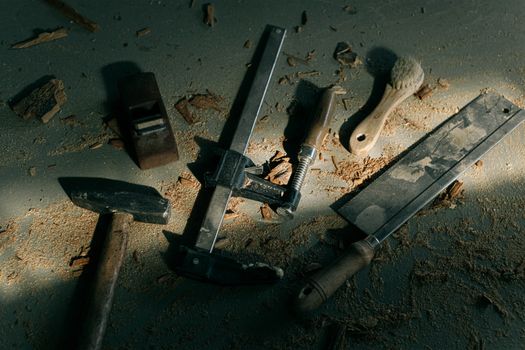
While the romance of hand tools and chisels persists, the world of wood carving and handcrafted furniture is no stranger to technological advancement. Contemporary artisans are integrating modern tools and materials with traditional skills to create pieces that are both timeless and innovative.
For example, Computer Numerical Control (CNC) routers and laser cutters can handle rough shaping or intricate designs, allowing carvers to focus on fine details and finishing touches. This synergy of old and new means that artisans can increase precision and consistency without sacrificing the uniqueness that defines handcrafted work.
Additionally, 3D modeling software allows designers to visualize complex patterns and experiment with forms before a single piece of wood is cut. This not only reduces material waste but also opens up new realms of creativity. According to the Woodworking Network, over 60% of modern woodworking studios now incorporate some form of digital design or fabrication in their process.
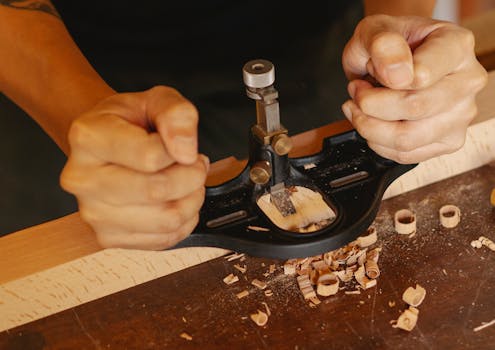
Yet, the heart of handcrafted furniture remains the skillful human touch. No machine can replicate the subtle variations, tactile sensations, or emotional resonance of a hand-carved surface. It’s this balance—melding tradition with technology—that is defining the future of artisan woodwork.
The New Generation of Wood Artisans
The resurgence of interest in handcrafted furniture has attracted a new generation of woodworkers, many of whom blend traditional apprenticeship with formal design education. Today’s artisans are as likely to have studied industrial design or architecture as they are to have learned from family workshops.
Notably, women and underrepresented groups are making significant inroads into what was once a male-dominated field. Organizations like the Society of American Period Furniture Makers and the International Wood Culture Society report a 23% increase in female membership over the past decade.
This new wave of makers is highly connected, sharing their work and processes via social media platforms like Instagram and YouTube. They use these channels to educate, inspire, and sell directly to customers worldwide, bypassing traditional galleries and showrooms.
A 2023 survey by Etsy revealed that sales of artisan furniture increased by 48% year-over-year, with buyers citing “unique design” and “connection to the maker” as top reasons for their purchases. This shift is not just a passing trend—it’s reshaping the entire industry, empowering artisans to innovate while maintaining their roots in traditional craftsmanship.
Handcrafted Furniture in Contemporary Design
Modern interior design is increasingly focused on individuality, sustainability, and storytelling. Handcrafted furniture and wood carving fit seamlessly into this ethos, offering pieces that are both functional and rich in narrative value.
Custom commissions allow homeowners to influence everything from wood selection to design motifs, resulting in one-of-a-kind pieces that reflect personal taste and values. Wood carvers often incorporate local or reclaimed materials, infusing their work with regional character and environmental consciousness.
In commercial spaces, handcrafted furniture adds warmth and authenticity that mass-produced items cannot match. Boutiques, restaurants, and hotels are turning to artisan makers to create signature pieces that set them apart and enhance their brand stories.
A notable example is the use of hand-carved installations in the lobby of the Ace Hotel in Kyoto, Japan. These pieces blend traditional Japanese woodworking techniques with contemporary aesthetics, creating a striking conversation between eras and cultures.
Comparing Handcrafted and Mass-Produced Furniture
Understanding the differences between handcrafted and mass-produced furniture is key for consumers making informed choices. Below is a comparison table highlighting the main distinctions:
| Aspect | Handcrafted Furniture | Mass-Produced Furniture |
|---|---|---|
| Production Time | Several weeks to months per piece | Hours to days per batch |
| Materials Used | Solid wood, often locally sourced or reclaimed | Engineered wood, veneers, synthetic materials |
| Design Uniqueness | One-of-a-kind, customizable | Standardized, repeated designs |
| Durability | High; often built to last generations | Varies; often designed for short-term use |
| Cost | Higher upfront, long-term value | Lower upfront, may require replacement sooner |
| Environmental Impact | Lower, especially with sustainable practices | Higher, due to mass production and materials |
Statistics from the U.S. Environmental Protection Agency show that furniture accounts for over 9 million tons of waste in landfills annually, much of it from mass-produced items. Choosing handcrafted furniture not only supports artisans but also promotes sustainability and longevity.
Preserving Cultural Heritage Through Modern Wood Carving
Beyond aesthetics and functionality, handcrafted furniture and wood carving play a vital role in preserving cultural heritage. Many traditional motifs, carving methods, and joinery techniques are at risk of being lost as older generations retire. Modern artisans are reviving these practices, often blending them with newer influences to keep them relevant and alive.
For instance, in Scandinavia, the “rosemaling” floral carving tradition is being updated with contemporary color palettes and forms, attracting a new audience. In India, intricate wood inlay work from Rajasthan is being combined with minimalist design, resulting in furniture that bridges two worlds.
International collaborations and artisan residencies are also fostering cross-cultural exchange. The World Wood Day Foundation highlights over 80 collaborative projects in the past five years, bringing together carvers from different backgrounds to share knowledge and create hybrid works.
These efforts ensure that the intangible value of woodworking—its stories, symbolism, and sense of place—are not only preserved but enhanced for future generations.
Final Reflections: The Future of Handcrafted Woodwork
Handcrafted furniture and wood carving are more than nostalgic echoes of the past. They represent an evolving art form, one that adapts to changing tastes, technologies, and social values. By bridging the gap between old and new, artisan woodworkers offer a compelling alternative to the disposable culture of fast furniture.
For consumers, choosing handcrafted pieces means investing in quality, individuality, and sustainability. For artisans, it’s an opportunity to honor tradition while embracing innovation. And for society, it’s a way to reconnect with the human stories embedded in the objects that surround us.
As demand for authenticity and craftsmanship continues to grow, the future of handcrafted furniture and wood carving looks brighter than ever—rooted in history, yet reaching toward new creative horizons.