How to Choose the Right Color for Handmade Furniture in Your Home: A Room-by-Room Approach
The choice of color is one of the most impactful decisions when selecting handmade furniture for your home. Unlike mass-produced pieces, handmade furniture offers the freedom to personalize color in ways that reflect your taste, enhance your space, and even influence mood. But with so many options—classic stains, bold paints, modern finishes—how do you ensure your color choice harmonizes with your home and lifestyle? This article presents a room-by-room strategy, backed by color theory, design principles, and real-world examples, to help you confidently select the perfect hues for your handcrafted pieces.
The Power of Color in Handmade Furniture: More Than Meets the Eye
Color does more than just please the eye—it shapes how we perceive and use our spaces. According to a 2023 survey by the American Society of Interior Designers, 76% of homeowners agreed that color selection influences their enjoyment and use of rooms. Handmade furniture, with its unique craftsmanship and custom possibilities, provides an ideal canvas for color expression.
.png)
But the wrong choice can clash with existing décor, overpower a room, or simply fail to inspire. Understanding the impact of color psychology, natural light, and the role of furniture in each room is essential. For example, deep blues can bring calm to a bedroom, while vibrant yellows energize a kitchen. Choosing the right palette can improve mood, enhance functionality, and ensure your investment stands the test of time.
Assessing Your Space: Lighting, Style, and Existing Elements
Before settling on a color, it’s crucial to evaluate the context in which your handmade furniture will live. The same shade can look dramatically different depending on lighting, wall color, flooring, and overall style.
Natural and Artificial Light
- North-facing rooms often have cooler, bluish light, which can make colors feel muted. Warm tones like terracotta or honey oak can add coziness. - South-facing rooms receive bright, warm sunlight, which intensifies colors. Muted or cool tones—like sage green or dove gray—can balance this effect. - LED and incandescent bulbs can also skew colors. Always test paint or stain samples in the actual room at different times of day.Existing Color Palette
- If your space already has strong color elements (walls, rugs, curtains), opt for complementary or neutral furniture tones. - For minimalist or neutral rooms, a bold furniture color can serve as an eye-catching focal point.Architectural Style and Era
- Traditional homes may favor rich, classic stains such as walnut or mahogany. - Modern interiors often feature lighter woods or painted finishes in cool grays, whites, or statement colors.Room-by-Room Color Strategies for Handmade Furniture
Each room in your home serves a different purpose, and color choice should reflect that. Here’s how to approach color selection for handmade furniture in key spaces:
Living Room
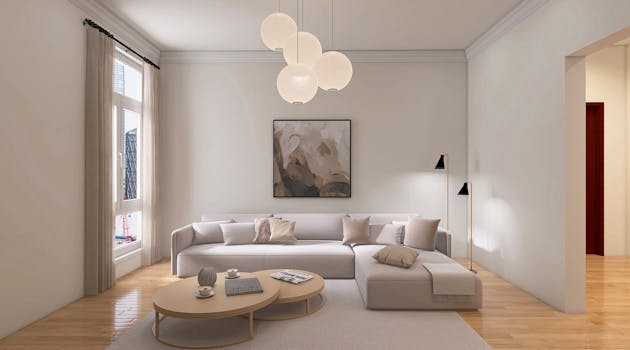
The living room is often the heart of the home—where families gather, and guests are entertained. Here, the furniture color should encourage relaxation and sociability.
- Choose versatile neutrals like soft gray, taupe, or sand for larger pieces (sofas, coffee tables) to ensure longevity and flexibility. - Add pops of color with accent chairs or side tables in teal, mustard, or forest green. - According to a 2022 Houzz study, 42% of homeowners preferred neutral sofas with colorful accent furniture, highlighting a trend toward balance.Dining Room
Dining furniture should stimulate appetite and conversation. Warm woods (cherry, maple) and painted finishes in deep reds or navy can create an inviting atmosphere.
- For small dining rooms, light-colored furniture expands the sense of space. - Farmhouse or rustic styles often feature painted legs and natural wood tops, blending color and texture for a cozy effect.Bedroom
In bedrooms, color should promote rest and comfort. Cool hues like pale blue, lavender, or sage green are known for their calming effects.
- Match bedside tables and dressers to wall or fabric accents for a cohesive look. - Avoid overly bold colors for main pieces; instead, use them for decorative inlays or drawer fronts.Home Office
Productivity and focus are key in workspaces. Desks and bookcases in soft greens, blues, or natural oak foster concentration without distraction.
- Consider color-blocked designs or contrasting drawer pulls for a modern touch. - White and light wood finishes remain popular, with 61% of surveyed remote workers saying they feel more energized in brighter, lighter environments (source: Home Office Trends Report 2023).Entryway and Hall
These transitional spaces set the tone for your home. Deep blues, emeralds, or even cheerful yellow benches and consoles create a welcoming first impression.
- Durable finishes are important in high-traffic areas—opt for easy-to-clean paints or sealed stains.Comparing Popular Color Choices for Handmade Furniture
To help you visualize the impact of different colors, here’s a comparison of four popular options, their advantages, and best uses:
| Color/Finish | Best For | Pros | Cons | Trend Rating (2024) |
|---|---|---|---|---|
| Natural Wood Stain | Living, dining, bedroom | Classic, timeless, enhances wood grain | May limit color flexibility, requires maintenance | ★★★★★ |
| White/Oyster Paint | Home office, bedrooms, modern spaces | Brightens rooms, versatile, easy to pair | Shows stains, can feel cold if overused | ★★★★☆ |
| Bold Color (e.g., Navy, Emerald) | Accent pieces, entryways | Statement-making, modern, energizing | Trendy, may date faster, hard to match | ★★★☆☆ |
| Black/Ebony Finish | Dining, living, industrial or luxe styles | Dramatic, hides wear, sophisticated | Can shrink space, dust shows easily | ★★★☆☆ |
Personalizing Your Palette: Tips for Custom Color Selection
Once you’ve narrowed down your options by room, use these expert tips to refine your choice:
1. Sample Before You Decide Always test paint or stain samples on a small, inconspicuous area or spare piece of wood. View them in different lights and at various times of day. 2. Consider Undertones Colors have undertones that may only appear in context—blue-grays vs. green-grays, or warm vs. cool whites. Compare samples next to your walls and floors. 3. Use the 60-30-10 Rule Designers recommend this balance: 60% dominant color (walls), 30% secondary (furniture), 10% accent (decor). This ensures harmony and visual interest. 4. Don't Forget Finish Matte finishes offer a modern look, while glossy or satin finishes reflect more light and are easier to clean—useful for dining or entryway pieces. 5. Factor in Longevity Trendy colors can be fun, but for investment pieces, consider classic shades that will age gracefully. Save bold colors for easily changeable accents.Real-World Examples: Successful Color Choices in Handmade Furniture
Let’s look at a few case studies where homeowners made memorable color decisions:
- A family in Prague selected a custom walnut dining table with sky-blue painted chairs, combining classic and playful tones. The blue echoed artwork in their open-concept living area, tying the spaces together. - In a Toronto loft, a handmade bookshelf was finished in matte black, creating a striking contrast with white walls and colorful books, while resisting fingerprints and wear. - For a children's bedroom in Berlin, parents ordered a set of handmade bunk beds in soft mint green. The gentle color provided a soothing backdrop for colorful bedding and toys.These real-life solutions show how thoughtful color choices can reflect personality, enhance architectural features, and meet practical needs.
Final Thoughts: Making Color Work for Your Handmade Furniture
Choosing the right color for handmade furniture is both an art and a science. By considering the function of each room, lighting, existing décor, and your personal preferences, you can make informed decisions that elevate your home. Remember, the beauty of handmade furniture is its flexibility—don’t be afraid to experiment, consult with artisans, and trust your instincts. A well-chosen color will not only showcase the craftsmanship of your piece but also create a space where you love to live.