Embracing the Craft: The Enduring Appeal of Handmade Furniture and Wood Carving
In a world increasingly filled with standardized products, the charm of handmade furniture and wood carving offers a refreshing counterpoint that celebrates individuality and craftsmanship. This growing trend not only highlights a return to traditional skills but also underscores a broader cultural shift towards sustainability and personalization in consumer choices.
The Unique Value of Handmade
.png)
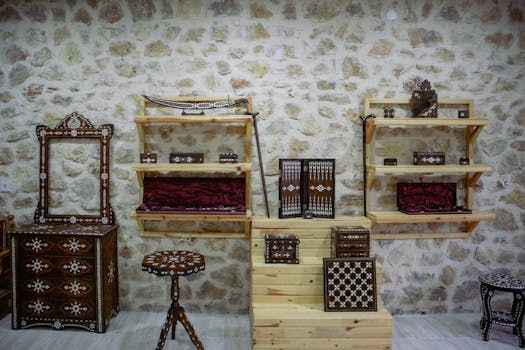
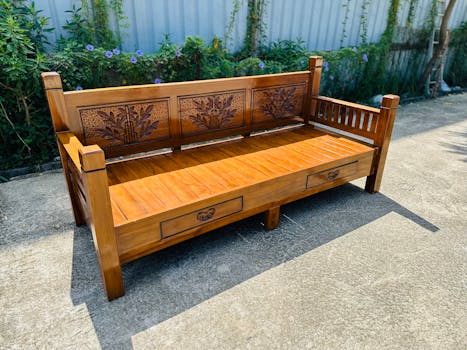
Each piece of handmade furniture is distinct, crafted with techniques honed over decades—even centuries—of tradition. The personal touch of a skilled artisan brings with it a quality and story that mass-produced items simply cannot replicate. This uniqueness is a significant draw for those who cherish originality and want their homes to reflect their personal taste and style.
Selecting the Right Materials
The journey of creating a unique piece of handmade furniture begins with the selection of materials. Artisans typically opt for high-quality, locally-sourced wood, which not only supports local industries but also ensures a lower environmental impact. The type of wood chosen plays a crucial role in the aesthetics and functionality of the finished product, each species bringing its own color, grain, and character.
The Art of Creation
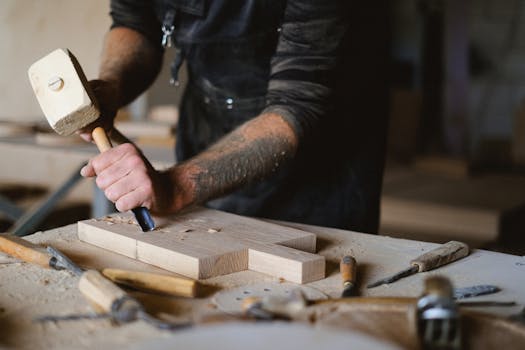
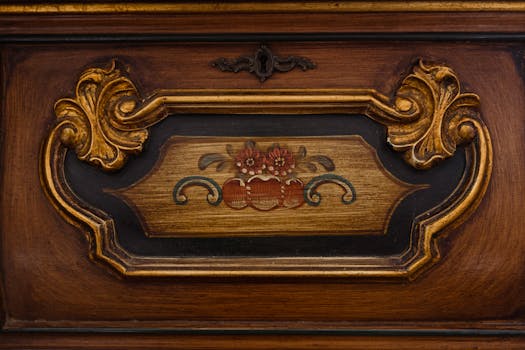
Crafting wood by hand is an intricate process that demands patience and precision. Whether using traditional tools or incorporating modern techniques for specific effects, artisans pour their expertise and creativity into every piece. The design is often influenced by the artisan's cultural heritage, adding a layer of cultural richness and making each piece a narrative of personal and communal history.
Sustainability and Ethical Considerations
Handmade furniture is not just about aesthetics but also about making ethical and sustainable choices. The production process for handmade items typically involves minimal waste, and the durability of these pieces means they can be cherished for generations rather than ending up in a landfill. By choosing handmade, consumers play a part in reducing the environmental impact of their furnishings.
Cultural and Economic Impact
Investing in handmade furniture supports small businesses and artisan communities, helping to keep ancient crafts alive and relevant in the modern world. It also provides economic stability to craftsmen and women, often in rural areas, by providing a viable income while preserving cultural heritage.
Overcoming Challenges
The primary challenge facing this market is competition from inexpensive, mass-produced alternatives that imitate the appearance of handmade craftsmanship without matching its quality or ethical implications. Educating consumers about the true value of handcrafted furniture—not just as a product, but as an eco-friendly, economically supportive, and culturally significant choice—is crucial.
Conclusion
The resurgence of interest in handmade furniture and wood carving is more than a passing trend; it is a movement towards more thoughtful consumption. These pieces enrich our lives with beauty and functionality, create a direct connection to the artisan's world, and promote sustainable practices. As we continue to navigate a world dominated by mass production, let’s cherish and support the artistry and heritage of handmade furniture, ensuring it remains a vibrant part of our culture.