Handcrafted Outdoor Furniture: What to Consider When Choosing?
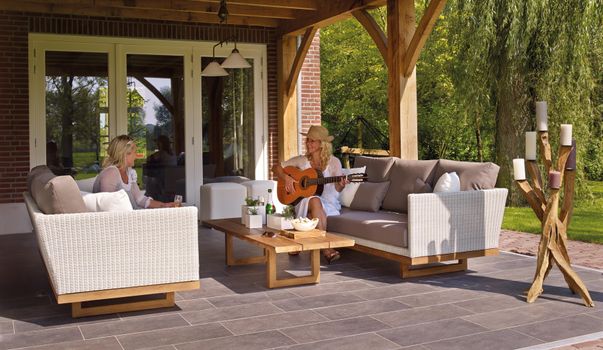
Creating a welcoming, beautiful, and functional outdoor space is a dream for many homeowners. Whether it’s a cozy patio, a spacious deck, or a lush garden, the right furniture makes all the difference. In recent years, handcrafted outdoor furniture has become increasingly popular for its unique charm, quality, and personalization. But with so many options available, how do you choose the right pieces for your home? This guide explores the essential factors to consider when selecting handcrafted outdoor furniture, from materials and craftsmanship to sustainability and local artistry.
The Growing Appeal of Handcrafted Outdoor Furniture
Handcrafted outdoor furniture stands apart from mass-produced alternatives in several key ways. Each piece is the result of skilled artisanship, attention to detail, and often, traditional techniques passed down through generations. According to a 2023 report from the American Home Furnishings Alliance, consumer demand for handmade furniture grew by 18% over the previous year, driven largely by a desire for unique, sustainable, and long-lasting products.
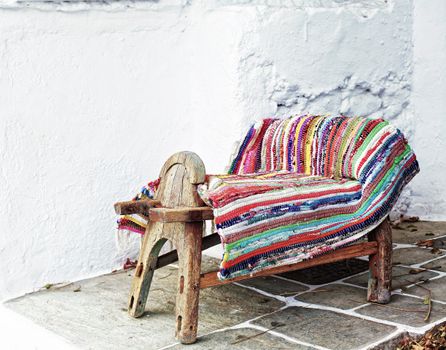
With handcrafted outdoor furniture, no two pieces are exactly alike. This uniqueness allows homeowners to express their personal style and invest in furniture that tells a story. In addition, many artisans use locally sourced, eco-friendly materials, supporting small businesses and reducing environmental impact.
.png)
But the allure of handcrafted pieces goes beyond aesthetics. Durability, the ability to customize, and the use of high-quality materials make them a wise investment for outdoor living spaces exposed to the elements.
Material Matters: Choosing the Best for Your Environment
The choice of material is one of the most critical decisions when selecting handcrafted outdoor furniture. Unlike indoor furniture, outdoor pieces must withstand fluctuating weather conditions, UV exposure, and moisture. Here are some of the most popular materials used by artisans, along with their pros and cons:
1. Teak: Widely celebrated for its natural oils, teak is exceptionally resistant to water, insects, and decay. Teak furniture can last up to 50 years outdoors with minimal maintenance. However, its high demand makes it one of the pricier options. 2. Cedar: Known for its pleasant scent and natural resistance to rot, cedar is lightweight and easy to move. It does require regular sealing to maintain its color and strength. 3. Metal (Wrought Iron, Aluminum): Wrought iron offers a classic, ornate look and is extremely durable but must be maintained to prevent rust. Powder-coated aluminum is rust-resistant, lightweight, and modern in appearance. 4. Reclaimed Wood: Increasingly popular among eco-conscious buyers, reclaimed wood gives new life to old materials. It’s important to ensure the wood is properly treated for outdoor use. 5. Synthetic Materials (Resin, Polywood): Artisans now use high-quality, UV-resistant synthetic materials that mimic the beauty of natural wood or wicker while providing greater weather resistance.Here’s a comparative table to help you weigh the pros and cons:
| Material | Durability | Maintenance | Average Lifespan | Eco-Friendliness |
|---|---|---|---|---|
| Teak | Excellent | Low | 30-50 years | Moderate (depends on sourcing) |
| Cedar | Good | Moderate | 15-20 years | High |
| Wrought Iron | Excellent | Moderate (prevent rust) | 25-40 years | Moderate |
| Aluminum | Very Good | Low | 15-25 years | Moderate |
| Reclaimed Wood | Good | Moderate | 10-20 years | Very High |
| Resin/Polywood | Very Good | Low | 15-20 years | High |
When choosing, consider your local climate. For example, humid or coastal areas often benefit from teak or high-quality synthetic materials, while arid climates suit metal or cedar.
Evaluating Craftsmanship and Construction Techniques
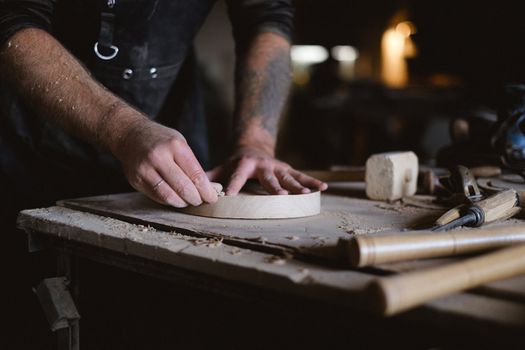
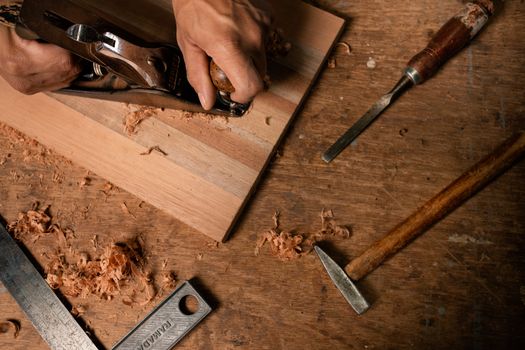
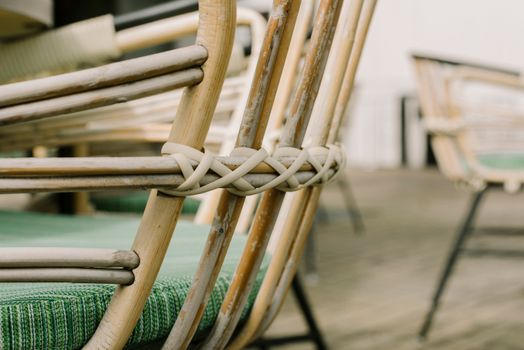
The quality of craftsmanship is what truly distinguishes handcrafted outdoor furniture. Unlike factory-made items, handcrafted pieces often use traditional joinery such as mortise and tenon or dovetail joints, which enhance strength and longevity. Look for the following hallmarks of superior craftsmanship:
- Consistent, smooth finishes with no rough edges or splinters. - Tight-fitting joints with minimal use of hardware like screws or nails. - Solid, stable construction with balanced weight distribution. - Thoughtful details such as hand-carved embellishments or custom inlays.An artisan’s reputation also matters. According to the Craftsmanship Quality Index 2023, 72% of consumers who purchased from verified artisans reported higher satisfaction with durability and aesthetics compared to mass-market alternatives.
Ask about the techniques used and whether the maker offers warranties. Some artisans back their work with guarantees lasting 5-10 years, a testament to their confidence in the product’s longevity.
Customization: Tailoring Outdoor Furniture to Your Needs
One of the prime advantages of commissioning handcrafted outdoor furniture is the ability to tailor each piece to your exact needs. Unlike ready-made items, handcrafted pieces can be adjusted for size, shape, color, material, and functionality.
For example: - If you have a compact balcony, an artisan can create a foldable dining set that maximizes your space. - For large gatherings, you can design a modular seating arrangement with built-in storage. - Accessibility needs, such as higher seat heights or wheelchair-friendly designs, can be accommodated.A 2022 survey by Outdoor Living Trends found that 39% of homeowners who invested in custom outdoor furniture reported increased usage of their outdoor spaces, citing comfort and personalization as primary motivators.
When considering customization, think about: - The primary use of the space (dining, lounging, entertaining, etc.) - The number of people you typically host - Storage options for cushions and accessories - Matching or complementing existing decorDiscuss your vision with the artisan, providing measurements, sketches, or inspiration photos. Most craftspeople welcome collaboration and can offer creative solutions you may not have considered.
Sustainability and Ethical Sourcing in Handcrafted Furniture
Sustainability is a growing concern in outdoor furniture selection. Handcrafted furniture often leads the way in ethical sourcing and eco-friendliness. Many artisans prioritize locally harvested or reclaimed materials, reducing transportation emissions and supporting responsible forestry.
For instance, the Forest Stewardship Council (FSC) certifies wood that meets strict environmental and social standards. Choosing FSC-certified or reclaimed wood helps protect forests and wildlife habitats. Similarly, some metal furniture makers use recycled aluminum, which requires 95% less energy to produce compared to virgin aluminum.
Key sustainability questions to ask: - Where do the materials come from? - Are finishes and sealants non-toxic and low-VOC (volatile organic compounds)? - Does the maker use energy-efficient processes? - Is the packaging recyclable or minimal?By supporting artisans with sustainable practices, you contribute to a healthier planet and encourage responsible business models. According to a 2023 Eco-Consumer Report, 63% of buyers are willing to pay more for sustainably made outdoor furniture.
Supporting Local Artisans and the Value of Community Connection
Purchasing handcrafted outdoor furniture isn’t just about acquiring beautiful pieces—it’s also about supporting your local community and preserving traditional skills. Small-scale craftspeople often rely on regional networks for materials and business, keeping profits within the local economy.
In the United States alone, the handcrafted furniture market represents over $3.5 billion in annual revenue, much of which goes directly to small businesses and independent artisans. Buying local reduces carbon footprints and fosters connections between makers and buyers.
Many communities host craft fairs, studio tours, or online platforms where you can meet artisans, view their work, and discuss your project face-to-face. This direct relationship ensures transparency, creates opportunities for ongoing maintenance or repairs, and often leads to a more satisfying ownership experience.
Making the Right Choice: Key Takeaways for Handcrafted Outdoor Furniture
Choosing handcrafted outdoor furniture involves more than selecting a style you love—it’s about making informed decisions that balance beauty, durability, sustainability, and community impact. By paying attention to material quality, craftsmanship, customization options, and ethical sourcing, you can create a unique outdoor space that endures for years.
Handcrafted furniture is an investment not just in your home, but in the skills and livelihoods of artisans. Its uniqueness, quality, and story enrich your environment in ways mass-produced pieces simply cannot match. As outdoor living continues to gain importance, making thoughtful choices ensures your furniture stands up to both the elements and the test of time.