How to Combine Handcrafted Furniture with Modern Elements: Trends and Tips for a Unique Interior
In today’s interior design world, homeowners and designers alike are looking for ways to create spaces that feel personal, unique, and inviting. One of the most captivating trends is the seamless fusion of handcrafted furniture with modern elements. This approach brings together the warmth, authenticity, and character of artisanal craftsmanship with the sleek lines, innovative materials, and functionality of contemporary design. But how do you achieve this delicate balance without your home feeling disjointed or mismatched? In this comprehensive guide, we’ll explore the latest trends, effective strategies, and expert tips for combining handcrafted furniture with modern elements, ensuring your space stands out with style and harmony.
The Allure of Handcrafted Furniture in Modern Interiors
Handcrafted furniture has experienced a resurgence, with more people appreciating the artistry, quality, and individuality that it brings to a home. According to a 2023 survey by the American Home Furnishings Alliance, 67% of consumers said they valued craftsmanship and uniqueness over mass-produced furniture. This shift is partly fueled by a desire for authenticity in a digital age, and partly by the increasing awareness of sustainability and ethical production.
.png)
When these one-of-a-kind pieces are introduced into modern interiors, they instantly add a layer of warmth and personality. The tactile nature of hand-carved wood, the subtle imperfections of hand-thrown ceramics, or the rich patina of forged metal are a counterpoint to the often cool and minimalist aesthetic of modern design. These pieces invite touch, conversation, and admiration—qualities that are sometimes missing in strictly contemporary spaces.
Key Trends: Blending the Old and the New
The marriage of handcrafted and modern elements isn’t about choosing one style over another—it’s about creating a meaningful dialogue between past and present. Here are some of the most popular trends shaping this hybrid aesthetic:
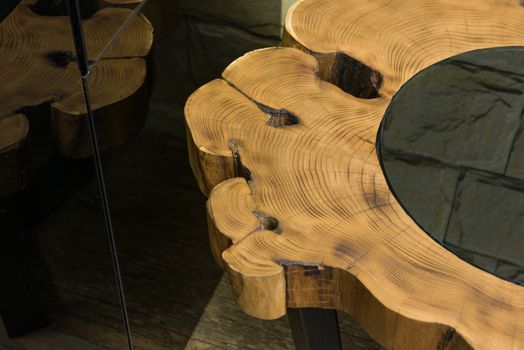
1. Juxtaposition of Materials: Designers are pairing organic, handcrafted woods with industrial metals, glass, or acrylics. For example, a live-edge walnut dining table with sleek steel legs creates a striking contrast. 2. Minimalist Backdrops: Modern, neutral color palettes—think white, gray, and black—provide a perfect canvas for handcrafted pieces to shine as focal points. 3. Statement Lighting: Handblown glass pendants or sculptural metal lamps add artisanal flair to contemporary kitchens and living rooms. 4. Heritage Techniques, Modern Forms: Craftspeople are using traditional joinery or weaving methods to create furniture with distinctly modern silhouettes. 5. Layered Textures: Mixing handwoven textiles, glazed ceramics, and polished concrete results in dynamic, tactile spaces that feel rich and inviting.According to interior designer Jane Peterson, “The most successful combinations celebrate both the uniqueness of handcrafted items and the functional beauty of modern design, allowing each to enhance the other.”
Strategies for Harmonizing Styles in Your Home
Successfully blending handcrafted furniture with modern elements requires thoughtful planning. Here are proven strategies to help you master the art of the mix:
1. Choose a Unifying Color Scheme: Select a cohesive palette to tie diverse elements together. For example, if you have a hand-carved oak sideboard, echo its natural tones in your modern area rug or artwork. 2. Balance Proportions: Pair substantial, solid handcrafted pieces with lighter, airier modern furnishings. This prevents any one item from dominating the room and maintains visual harmony. 3. Repeat Motifs: Use recurring shapes or patterns—a geometric inlay on a handmade cabinet echoed in a contemporary coffee table, for instance—to create continuity. 4. Mindful Placement: Position handcrafted items where they’ll be appreciated—such as an artisan bench in your entryway or a bespoke dining table in an open-plan kitchen. 5. Limit Clutter: Let each piece breathe by avoiding overcrowding. Modern design’s penchant for negative space ensures handcrafted items don’t get lost in the mix.Room-by-Room Inspiration: Real-Life Examples
Let’s see how the blend of handcrafted and modern elements can come to life in various spaces:
Living Room: Imagine a sleek, modular sofa paired with a handwoven wool rug and a coffee table made from reclaimed barn wood. Add a sculptural floor lamp crafted by a local artisan, and you have a living room that feels both sophisticated and soulful.
Dining Room: A contemporary glass chandelier hangs above a large, farmhouse-style table made by a master carpenter. Modern acrylic chairs sit alongside hand-carved wooden benches, inviting guests to linger over meals.
Bedroom: Modern platform beds can be softened with hand-loomed throws, ceramic bedside lamps, and a one-of-a-kind dresser featuring traditional marquetry.
Home Office: Combine a minimalist metal desk with a hand-stitched leather chair and custom-made bookshelves in cherry wood. Add a handcrafted clay vase for an organic touch.
Handcrafted vs. Modern: A Comparative Overview
To better understand the value of combining these two styles, here’s a comparison of key characteristics:
| Feature | Handcrafted Furniture | Modern Elements |
|---|---|---|
| Materials | Natural woods, stone, ceramics, leather | Glass, metal, engineered wood, acrylic |
| Production | Artisan-made, small batch, unique | Factory-made, mass-produced, uniform |
| Design Focus | Detail, tradition, craftsmanship | Functionality, minimalism, innovation |
| Visual Appeal | Warm, textured, organic | Sleek, clean lines, open space |
| Sustainability | Often eco-friendly, low-impact | Varies, may use synthetic materials |
Blending these attributes brings out the best of both worlds—character and comfort from handcrafted items, and efficiency and adaptability from modern design.
Tips for Selecting the Perfect Pieces
1. Shop Local and Artisan: Seek out local craftspeople or specialized boutiques for furniture with a story and provenance. According to the Craft Council, supporting local artisans can boost your community and reduce environmental impact by up to 30% compared to imported goods. 2. Invest in Statement Items: Rather than filling a room with multiple small handcrafted accents, consider investing in one or two standout pieces. A custom dining table or a hand-carved bed frame can anchor a space and become a lasting heirloom. 3. Mix and Match, But Edit: Mix modern and handcrafted pieces in each room, but edit ruthlessly. Too many competing styles can feel chaotic. Aim for a ratio that feels balanced—commonly, designers recommend a 60/40 split between the dominant and accent style. 4. Consider Function First: Don’t sacrifice usability for aesthetics. For instance, a handcrafted bench should be sturdy enough for daily use, while a modern side table should offer enough surface area for your needs. 5. Personalize with Accessories: Hand-thrown vases, woven baskets, or artisanal wall art are affordable ways to introduce craftsmanship without a major investment.How Lighting, Art, and Accessories Bridge the Gap
The right accessories can act as bridges between your handcrafted and modern pieces, enhancing the synergy in your home. Here’s how to use lighting, art, and decor to your advantage:
Lighting: Choose fixtures that combine traditional techniques with modern materials—like a blown-glass pendant with a minimalist silhouette, or a hammered brass sconce with a geometric shade.
Art: Display contemporary artwork above handcrafted furniture, or vice versa, to create visual contrast and spark interest.
Accessories: Mix modern planters with handwoven baskets, or place a sleek metal tray atop a rustic wooden coffee table.
According to a 2022 study by Houzz, 54% of homeowners reported that integrating artisan accessories made their interiors feel more “finished” and cohesive, especially in open-plan homes.
Why Combining Handcrafted and Modern Elements Matters Now
The push to blend handcrafted furniture with modern elements is more than a fleeting trend—it reflects evolving values in home design. As people seek out sustainable, meaningful, and beautiful spaces, this approach offers a way to honor tradition while embracing innovation. Spaces that artfully combine these elements feel timeless, welcoming, and deeply personal.
Moreover, this blend can increase your home’s value. According to Zillow, homes with unique, high-quality interiors sell up to 20% faster and often above asking price, as buyers increasingly prioritize character and quality over conformity.
By thoughtfully integrating handmade and modern pieces, you can create a home that tells your story—one that is as unique as the people who live in it.