The Slow Art Movement and Handmade Furniture: Rediscovering Value in Time and Craft
In an era defined by instant gratification, fast-paced innovation, and mass production, a quiet yet powerful revolution is taking hold: the Slow Art Movement. Born from a desire to reconnect with authenticity, intentionality, and deeper meaning in the creative process, this movement is gaining momentum in various fields—from painting and sculpture to gastronomy and, notably, furniture making. Handmade furniture—crafted with patience and care—embodies the core ideals of the Slow Art Movement, offering a compelling alternative to the throwaway culture of mass-produced goods.
This article delves into how the Slow Art Movement is reshaping perceptions of value in the world of furniture, why handmade pieces resonate with contemporary consumers, and what makes them a meaningful investment for the future.
The Essence of the Slow Art Movement
The Slow Art Movement first emerged in the early 2000s, inspired by the broader Slow Movement (which began with Slow Food in Italy in 1986). The goal was simple but profound: encourage people to appreciate the process and experience of making and viewing art, rather than consuming it rapidly. According to the Slow Art Day organization, the average museum visitor spends just 8 seconds in front of an artwork. The Slow Art Movement encourages viewers to linger, reflect, and engage more deeply.
.png)
In the world of furniture, this translates to a renewed appreciation for handcrafting—where time, skill, and the unique touch of the maker are celebrated. Instead of focusing on convenience and speed, the Slow Art Movement in furniture making prioritizes the narrative behind each piece, the tactile pleasure of natural materials, and a respect for traditional techniques.
Handmade Furniture: Craft Over Convenience
Handmade furniture stands in stark contrast to its mass-produced counterparts. Mass-market furniture, often manufactured in overseas factories, focuses on minimizing costs and maximizing output. According to Statista, the global ready-to-assemble (RTA) furniture market was valued at over $13 billion in 2022, highlighting the immense scale of fast furniture.
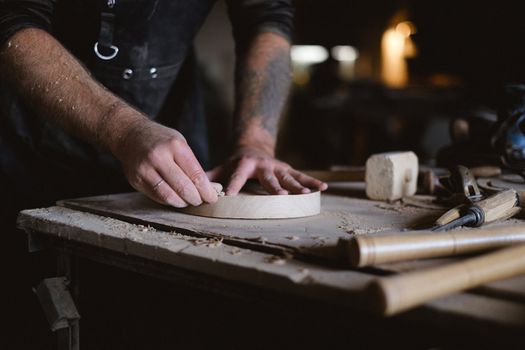
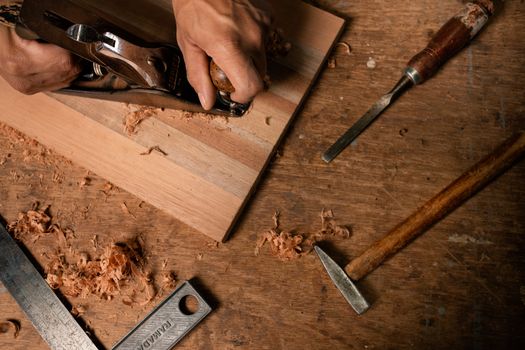
In contrast, handmade furniture pieces may take weeks or even months to complete. Makers select wood for its character, join pieces using age-old joinery methods, and finish each item with a level of detail impossible to achieve on an assembly line. This deliberate approach aligns with the Slow Art Movement’s philosophy: the value lies in the journey as much as the destination.
A 2021 survey by the American Craft Council revealed that 72% of respondents felt handmade objects had greater emotional significance than mass-produced items. The time invested by artisans is not just about construction—it’s about imbuing each piece with intention, meaning, and a story.
Materials, Methods, and Mindfulness: The Handmade Difference
The distinction between mass-produced and handmade furniture is not just about speed. It’s also about materials, methods, and the mindfulness of the maker. Mass-produced furniture often relies on engineered woods, veneers, and synthetic finishes. In 2021, it was estimated that nearly 80% of the world’s furniture was made using particleboard or MDF (medium-density fiberboard), both of which are susceptible to damage and have a limited lifespan.
Handmade furniture, on the other hand, prioritizes solid woods like oak, walnut, cherry, and maple. Artisans often source sustainably harvested timber and use natural finishes, ensuring durability and a lower environmental footprint. Traditional joinery—such as dovetails, mortise and tenon, and hand-cut inlays—creates stronger, longer-lasting connections. Each decision is made with care, reflecting a mindfulness that is central to the Slow Art Movement.
A notable example is the Shaker tradition in America, where simplicity, utility, and honesty of materials have produced desks, chairs, and tables that are still in use after 150 years. This enduring quality is a testament to the effectiveness of slow, mindful craftsmanship.
The Emotional and Social Impact of Handmade Furniture
Handmade furniture does more than furnish a space—it fosters a connection between the maker, the owner, and the object itself. Unlike fast furniture, which often lacks personal significance, handmade pieces become treasured heirlooms. They bear the marks of their making: subtle tool marks, unique grain patterns, and the patina of hand-applied oils or waxes.
Psychologists have noted that people form stronger attachments to items when they know the story behind them or have participated in their creation. This is known as the “IKEA effect,” but the impact is far greater with genuine handcrafted work. Owners of handmade furniture often recall the story of the maker, the origin of the wood, or the reason for commissioning a particular piece.
There’s also a broader social impact. Supporting handmade furniture sustains local economies and preserves endangered skills. According to a 2023 report by the World Crafts Council, traditional woodworking skills are at risk, with fewer than 10% of new furniture makers trained in heritage techniques. Investing in handmade furniture helps keep these skills alive for future generations.
Comparing Handmade and Mass-Produced Furniture: A Closer Look
To better understand the distinctions, consider the following comparison:
| Feature | Handmade Furniture | Mass-Produced Furniture |
|---|---|---|
| Production Time | Weeks to months per piece | Minutes to hours per piece |
| Materials | Solid wood, natural finishes | Engineered wood, synthetic coatings |
| Durability | Often 50+ years | Typically 5-10 years |
| Customization | High—tailored to client | Low—standardized designs |
| Environmental Impact | Lower, often locally sourced | Higher, often imported materials |
| Emotional Value | High—story and connection | Low—disposable, impersonal |
These differences highlight not only the tangible benefits of handmade furniture but also the intangible rewards that come from investing in slow, thoughtful artistry.
Why the Slow Art Movement Matters Now
The Slow Art Movement’s relevance has only grown in today’s frenetic world. As consumers become more aware of environmental challenges, resource depletion, and the psychological impact of constant change, there is a renewed appreciation for things that last—and for the people who make them.
A 2022 Nielsen survey found that 73% of global consumers are willing to pay more for sustainable goods. Handmade furniture, with its emphasis on quality, longevity, and sustainable materials, fits squarely within this trend. It also offers an antidote to digital overload, inviting people to slow down, appreciate tactile beauty, and reconnect with the physical world.
For makers, the Slow Art Movement is a call to resist the pressures of speed and uniformity. It’s a celebration of their expertise, their heritage, and their ability to create objects of lasting beauty and utility.
Final Thoughts: Investing in Time, Craft, and Meaning
In choosing handmade furniture inspired by the Slow Art Movement, consumers are making a statement—about what they value, how they want to live, and the kind of world they wish to support. It’s a choice that transcends mere function. Each table, chair, or cabinet becomes a narrative, a work of art, and a testament to the enduring importance of time and craft.
As the Slow Art Movement continues to gain traction, it serves as a reminder that, sometimes, the greatest luxury is not speed or novelty, but the quiet satisfaction of owning something made with care, intention, and respect for both tradition and the future.