The Slow Art Movement and Handmade Furniture: A Return to Craftsmanship and Sustainability
In an era dominated by rapid consumption and mass production, the Slow Art Movement emerges as a refreshing counter-narrative, promoting mindfulness, quality, and sustainability. This movement, which spans across various sectors including food, fashion, and furniture, advocates for a slower approach to life and a deeper appreciation of the creative process. Handmade furniture, a pivotal aspect of this movement, stands out for its commitment to craftsmanship, quality, and environmental responsibility.
Origins and Philosophy of the Slow Art Movement
.png)
The Slow Art Movement began as a critique of contemporary consumer culture, which often prioritizes speed and quantity over quality and sustainability. It is a call to slow down, appreciate the finer details, and make more conscious choices. In the furniture industry, this philosophy translates into a preference for handcrafted pieces that honor traditional craftsmanship and sustainable practices.
The Craft of Handmade Furniture
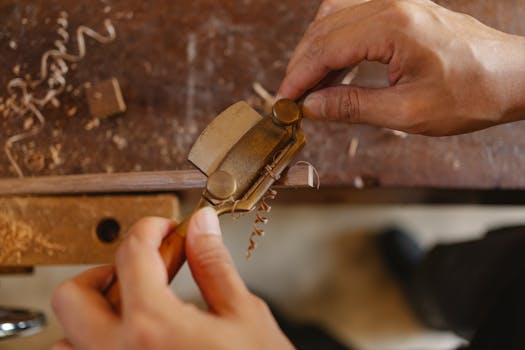
Handmade furniture is distinguished by its meticulous craftsmanship. Artisans dedicate significant time and skill to each piece, employing techniques that have been passed down through generations. This not only preserves traditional crafts but also ensures that each item is unique and of high quality. Typically, the materials used are sustainably sourced, and natural finishes are applied, minimizing the environmental impact of production.
The Slow Process: From Wood to Furniture
The creation of handmade furniture is a deliberate process that stands in stark contrast to mass production. Every step, from selecting the appropriate wood to the detailed carving and precise joining, is carried out with utmost care. This slow manufacturing process not only enhances the quality and durability of the furniture but also imbues it with a sense of history and authenticity.
Economic and Cultural Impact
Purchasing handmade furniture goes beyond acquiring a functional item—it's an investment in art. Consumers who choose handmade pieces contribute to local economies and support artisans whose livelihoods depend on their craft. This economic exchange helps preserve cultural heritage and ensures the survival of traditional skills in a modern marketplace.
Mindful Consumption and Environmental Benefits
The Slow Art Movement encourages consumers to think about the origins and creation of their furniture. This mindful approach fosters a deeper connection to the items and promotes lasting satisfaction, reducing the impulse to buy cheap, disposable products. Environmentally, handmade furniture offers benefits such as reduced waste and the use of non-toxic materials, contributing to a healthier planet.
Aesthetic and Customization Advantages
Handmade furniture is not only durable and eco-friendly but also visually appealing. Each piece showcases the natural beauty and imperfections of wood, adding character and warmth to any interior. Unlike mass-produced items, handmade furniture can be customized to personal preferences, ensuring that each piece perfectly fits the intended space and style.
Conclusion: A Shift Towards Sustainable Living
The Slow Art Movement and its influence on handmade furniture signify a broader shift towards more sustainable and intentional living. By valuing craftsmanship, quality, and sustainability, this movement challenges the prevailing norms of fast consumption and disposable culture. As this trend continues to grow, handmade furniture is increasingly recognized not just as a household item, but as a meaningful statement about the values and lifestyle of its owner.
In embracing the Slow Art Movement, consumers play a crucial role in promoting a sustainable, thoughtful, and aesthetically rich way of life, proving that in furniture, as in life, slower can indeed be better.