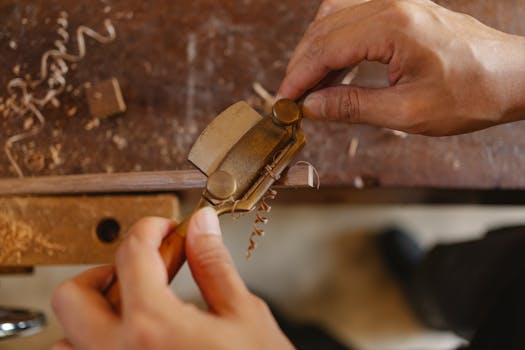
Handcrafted furniture and wood carving embody the seamless integration of natural materials and artisanal craftsmanship, offering not only utility but also a touch of artistry that enhances any living space. This merging of nature's raw materials with human creativity results in pieces that are not only unique but also echo the rich traditions and sustainable practices of craftsmanship.
Nature's Palette: Selecting the Right Wood
Choosing the right type of wood is crucial in handcrafted furniture and wood carving. Artisans typically opt for high-quality, sustainably sourced woods. Hardwoods like oak, maple, and walnut are favored for their durability and distinct grain patterns, which can add depth and character to the furniture. Softer woods like pine, despite being easier to carve and shape, provide a different aesthetic and are often used for more intricate carvings.
.png)
The Craft: Techniques and Tools
The craftsmanship involved in creating handcrafted furniture and wood carvings requires a deep understanding of wood properties and mastery of various tools. Traditional techniques are often employed, where every chisel mark or join is a testament to the artisan's skill. In furniture making, joinery techniques such as dovetails or mortise-and-tenon not only enhance the piece's beauty but also its durability. In wood carving, the intricacy of the work can range from simple decorative flourishes to complex three-dimensional figures, each requiring steady hands and years of experience.
Sustainability and Ethical Practices
One of the most significant aspects of handcrafted furniture and wood carving is the commitment to sustainability. Artisans who choose wood from responsibly managed forests help maintain biodiversity and ensure that their craft leaves a minimal environmental footprint. Moreover, the longevity of handcrafted pieces means that they do not contribute to the cyclic waste typical of mass-produced furniture. Investing in such furniture supports not only environmental sustainability but also promotes ethical business practices.
Cultural Significance
Each handcrafted piece carries with it a story of cultural heritage and artisanal legacy. From the ornate carvings found in traditional Chinese furniture to the minimalist lines of Scandinavian designs, each style reflects its cultural origins and the evolution of craftsmanship over centuries. These elements make handcrafted furniture and wood carvings not just items of utility but also pieces of cultural significance.
Investing in Artisanal Furniture
Choosing to invest in handcrafted furniture is a choice to support local artisans and small businesses. It reflects a dedication to quality and sustainability and stands against the prevailing throwaway culture. Each purchase helps keep traditional crafts alive and supports the artisans' communities, contributing to the local economy and preserving these skills for future generations.
Conclusion: A Legacy of Beauty and Durability
Handcrafted furniture and wood carving are more than just aspects of interior décor; they are a celebration of nature's beauty enhanced through human skill. By choosing these pieces, consumers participate in a legacy of artisanal excellence, cultural preservation, and environmental responsibility. As the world moves towards more sustainable and ethical consumerism, the allure of handcrafted furniture and wood carvings is set to grow, continuing to offer a unique blend of beauty, functionality, and heritage in our homes and lives.